


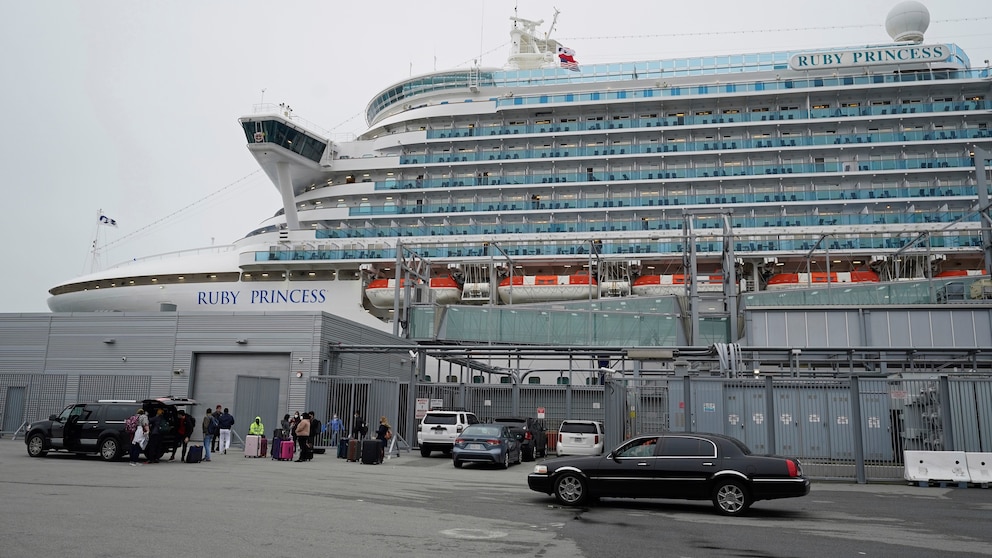
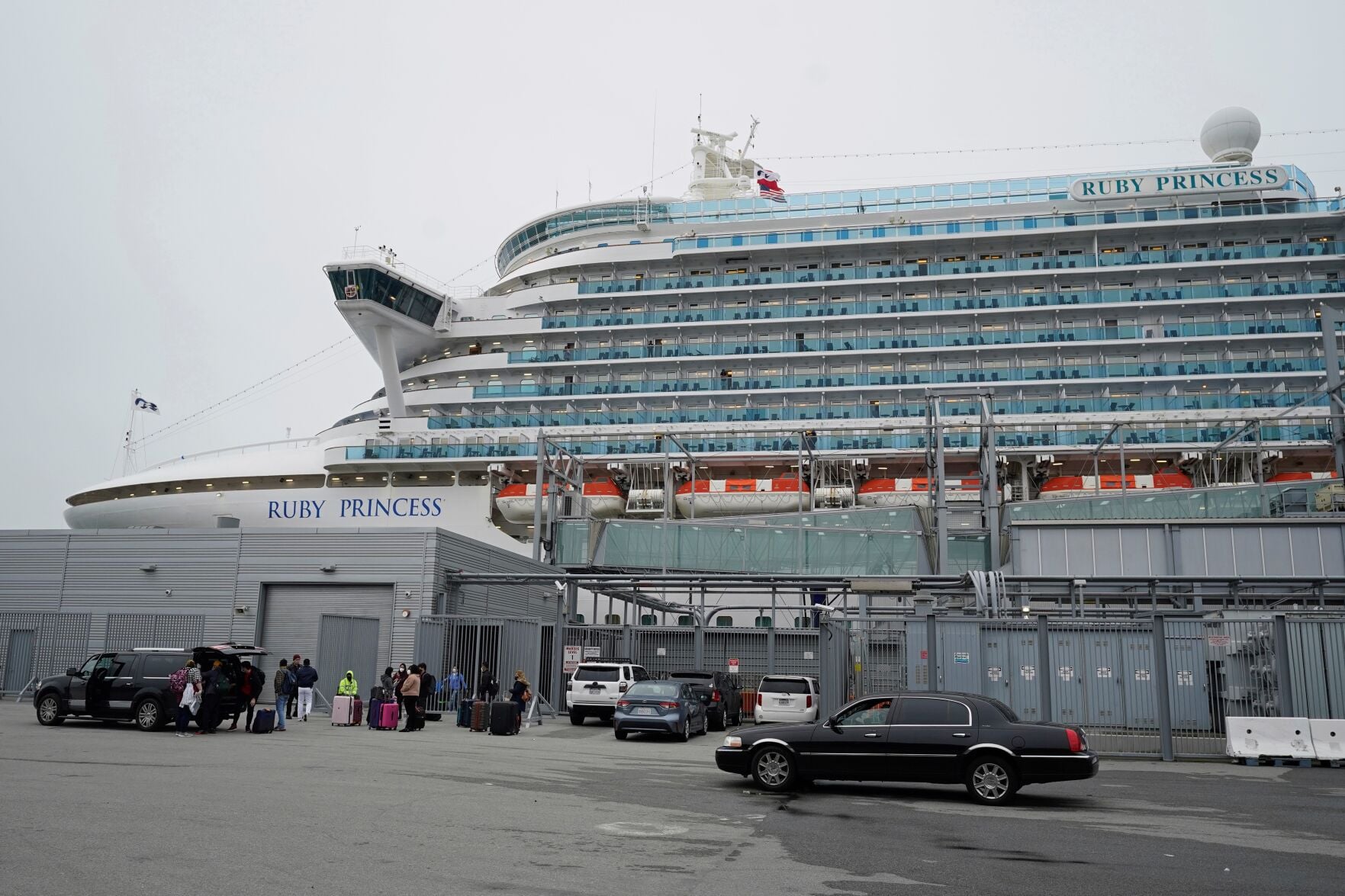
More than 120 passengers and crew members fell ill with norovirus aboard the Ruby Princess cruise ship during a 20-day voyage to Alaska and Canada, marking the third outbreak of the highly contagious stomach virus to strike Princess Cruises vessels this year. The ship docked in San Francisco on Thursday morning after departing June 12 from the city, carrying 3,032 passengers and 1,144 crew members.
The Centers for Disease Control and Prevention confirmed that 102 passengers and 23 crew members reported gastrointestinal illness during the voyage, which included stops in British Columbia and various Alaskan destinations. The outbreak was reported to the CDC’s Vessel Sanitation Program on June 28. Symptoms among those affected included diarrhea and vomiting, and laboratory testing confirmed norovirus as the causative agent.
Norovirus is highly contagious and often spreads through contaminated food, contaminated surfaces, or person-to-person contact, particularly in crowded environments like cruise ships. While the illness is typically short-lived for many people, it can be serious for those with underlying health conditions, young children, and adults aged 65 and older. Symptoms typically develop within 12 to 48 hours of exposure and can last around three days.
In response to the outbreak, the crew aboard the Ruby Princess took immediate action. Ship personnel increased cleaning and disinfection procedures throughout the vessel, collected stool specimens from affected passengers and crew for laboratory testing, and isolated sick individuals. The ship’s medical team consulted with the CDC on sanitation procedures and illness reporting protocols. Federal health officials continued to remotely monitor the ship’s outbreak response and sanitation measures as the vessel completed its journey.
Despite the health emergency that unfolded during the voyage, the Ruby Princess arrived on schedule in San Francisco on July 2. The ship underwent comprehensive cleaning and disinfection before departing Thursday afternoon for its next voyage, an Alaska cruise. Some passengers boarding for the next departure expressed confidence in the ship’s response. “I am feeling very comfortable getting on to the ship just because they took the extra time to get it deep cleaned and follow those CDC procedures,” said passenger Stephanie Gomez.
The Ruby Princess outbreak marks the third norovirus incident on a Princess Cruises ship in 2026, the highest number among all cruise lines operating this year. In May, the Caribbean Princess reported an outbreak that sickened 160 passengers and crew members on a voyage from Fort Lauderdale, Florida. In March, norovirus struck the Star Princess during a Caribbean cruise, affecting 153 people. Another cruise operator, Lindblad Expeditions, experienced two norovirus outbreaks on its National Geographic Sea Bird expedition ship in May and June. So far this year, seven gastrointestinal illness outbreaks have been reported on cruise ships operating under CDC jurisdiction, most caused by norovirus.
Norovirus has become the most common cause of gastrointestinal illness outbreaks on cruise ships. According to the CDC, norovirus accounted for 17 of the 23 gastrointestinal outbreaks reported on cruise ships in 2025, underscoring the persistent nature of this public health challenge in the cruise industry.
Commercial passenger vessels carrying 13 or more passengers and operating in U.S. Waters are required to track and report illness outbreaks to the CDC at least 24 hours before arriving at a U.S. Port as part of the Vessel Sanitation Program. Cruise ship outbreaks meeting the definition of 3 percent or more of passengers or crew reporting gastrointestinal symptoms to the ship’s medical staff are reported publicly. The Ruby Princess outbreak affected 3 percent of those aboard, meeting the reporting threshold.
The challenges of controlling norovirus on cruise ships stem from the unique environment created by thousands of people living, dining, and sharing spaces in close quarters. The virus can persist on surfaces for days or weeks, and communal areas including buffet restaurants become hotspots for transmission. The high turnover of passengers between voyages and the shared facilities present ongoing difficulties for prevention efforts, despite robust sanitation protocols and crew training.
Princess Cruises acknowledged the outbreak in a statement, describing the situation in measured terms. “A limited number of guests reported mild gastrointestinal illness during the 20-day June 12 Ruby Princess voyage from San Francisco,” the company said. “Our crew responded promptly by implementing enhanced sanitation protocols across the ship, and cases have since decreased and remain low.”
Federal health authorities continue to monitor gastrointestinal illness outbreaks across the cruise industry as part of their ongoing surveillance efforts to protect public health.