

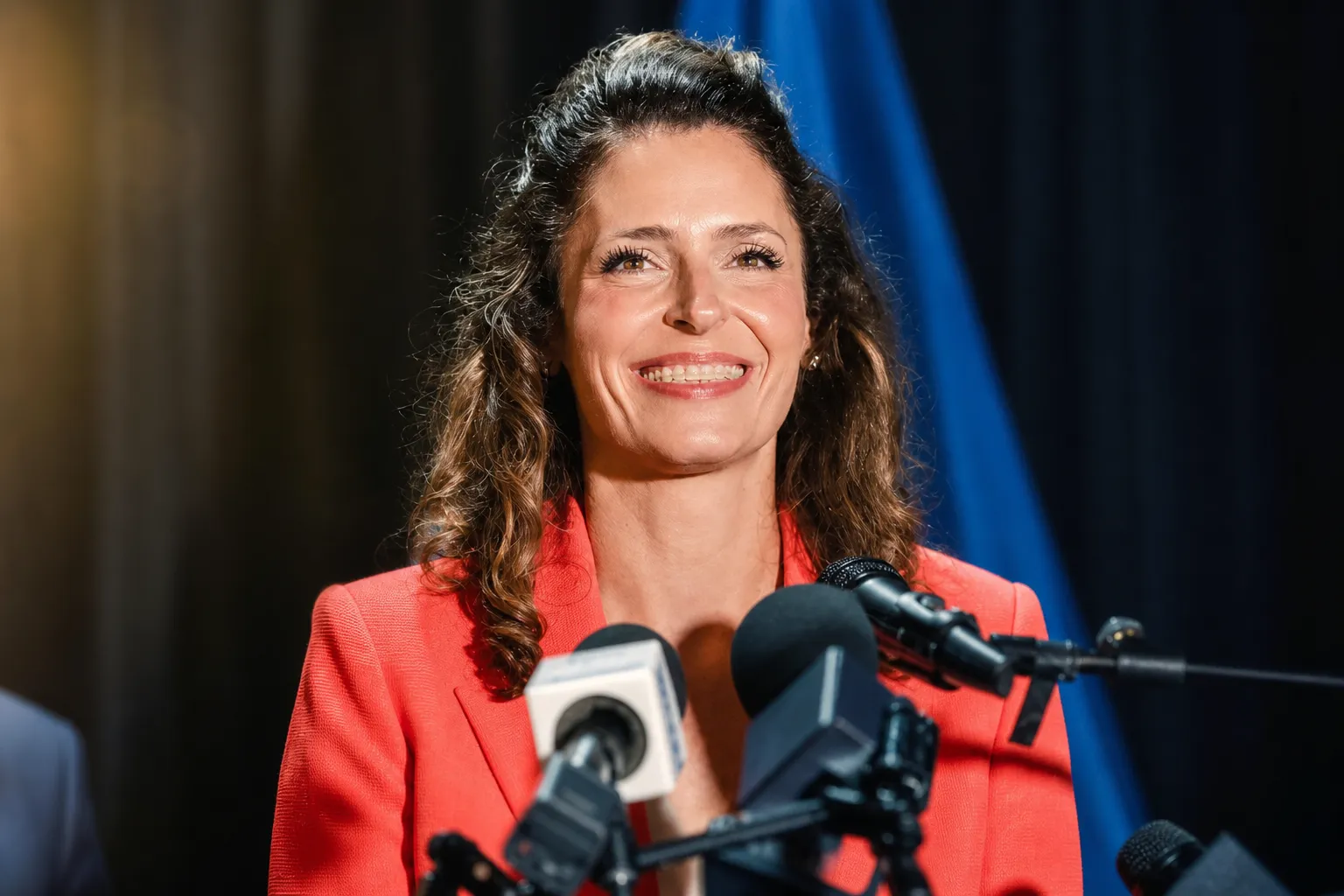
President Donald Trump has decisively shaped the Republican field heading into the 2026 midterm elections, using his endorsements to remake the U.S. Senate map by defeating some Republican incumbents and elevating loyalists in their place. Now comes a critical test of whether he will back his primary victories with the substantial financial resources he controls.
Trump’s influence during primary season has been remarkable. His endorsed candidates won nearly all their races across multiple states, demonstrating unprecedented dominance over Republican voters. In Texas, he successfully backed fiery conservative Ken Paxton over incumbent Senator John Cornyn. In Louisiana, his endorsement helped propel Representative Julia Letlow to victory over both incumbent Senator Bill Cassidy, whom Trump targeted for voting to convict him on impeachment charges, and state Treasurer John Fleming. In Oklahoma, Trump’s endorsement of Representative Kevin Hern proved decisive as he won the primary after the president elevated former Senator Markwayne Mullin to his cabinet.
The trajectory of Trump’s power extended to state politics as well. In Indiana, Trump exacted revenge on Republican state senators who had defied his redistricting demands by endorsing challengers against them. Six of the seven Trump-backed challengers defeated incumbent state senators in May, with political groups aligned with Trump’s supporters spending more than ten million dollars on those typically low-profile races.
But having gotten the candidates he wanted, the question hanging over the general election is whether Trump will spend money to help them win. His political operation, MAGA Inc., is by far the largest political war chest in the country, sitting on approximately 382 million dollars as of last month. Yet with four months until November, Trump’s team has been remarkably silent about spending plans, even as Senate Republican leaders have privately and publicly urged him to finance the races he reshaped through his primary endorsements.
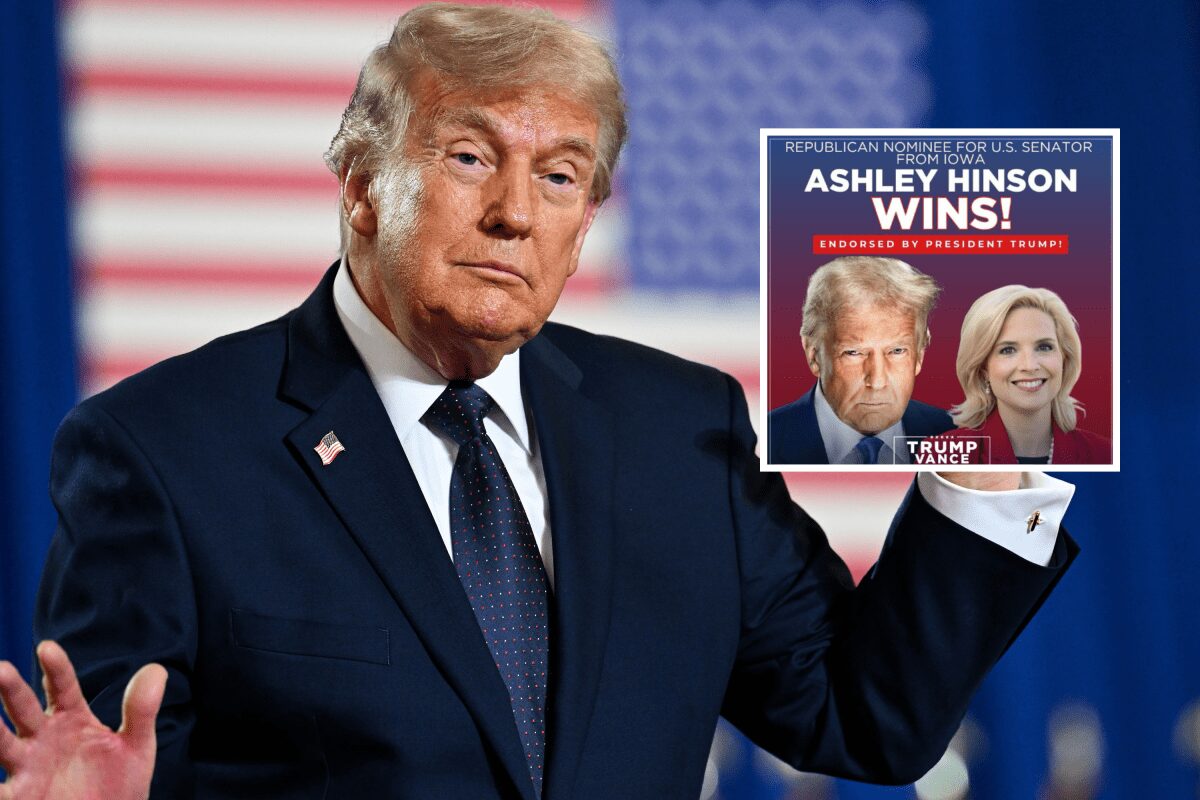
The tensions are most acute in Texas. Some Republicans have warned that Paxton could cost the party an extra one hundred million dollars to defend the seat, which had been considered safely Republican before Trump intervened. When Paxton came to Washington after winning the nomination in May, he had a cordial meeting with Senate Majority Leader John Thune focused on moving forward together. But later that day, Thune suggested that Trump should finance a candidate Senate Republicans had not chosen. “We will do what we need to do to make sure the state stays red,” Thune told reporters. “But I’m certainly hopeful the president and the resources he can bring to bear will be engaged. It’s going to be an expensive race.”
Former Senator John Cornyn, the incumbent Trump ousted, was blunt about his expectations. “The president picked Paxton, and he’s got $350 million dollars,” Cornyn told Semafor. “I think he can spend his money.”
The dynamic extends to other key races. Trump backed Michael Whatley, his former handpicked chair of the Republican National Committee, in North Carolina after incumbent Senator Thom Tillis declined to run following a feud with Trump over healthcare spending. Democrats hope to flip the seat with former Governor Roy Cooper. Some Republican campaign strategists are expecting MAGA Inc. To invest heavily in North Carolina, where media markets are expensive. Trump endorsed Representative Julia Letlow in Louisiana to replace Cassidy, and he has backed candidates in multiple other states.
The situation reflects the unusual bargain at the heart of Republican politics heading into 2026. Trump has extraordinary influence over primary voters and can reshape the field almost at will. But once he has chosen his nominees, their success in general elections depends partly on financial resources he controls but has shown reluctance to deploy. In 2022, Trump sat on comparable reserves and spent only a fraction of them, while Democrats overperformed expectations.
James Blair, the former White House political director who left his government post to coordinate Trump’s midterm strategy, has been evasive about spending plans. “The president is going to expend substantial resources to win the midterms,” Blair said in a podcast interview, without committing to specifics.
Republicans have at least one consolation prize. Earlier this week, the Supreme Court struck down federal limits on coordinated party spending, allowing the National Republican Senatorial Committee and other official party groups to spend unlimited money in coordination with candidates’ campaigns. The Senate Leadership Fund, the principal super PAC aligned with Thune, has already committed to spending 342 million dollars across eight key states, including Texas, North Carolina, Georgia, Michigan, Iowa, and New Hampshire.
Yet even these sums may fall short of what Trump has accumulated in MAGA Inc. The president, who is constitutionally barred from running again, began raising money shortly after winning his second term and has regularly held fundraisers at his resort properties where tickets cost one million dollars per person.
The uncertainty reflects a broader pattern in Trump’s relationship with Republican institutions. He has shown he can reshape primaries and punish disloyalty, but he remains unpredictable about whether and how much he will back his endorsed candidates when the real battles begin. Senate Republicans are betting that this time, when the stakes are highest, Trump will finally spend.