

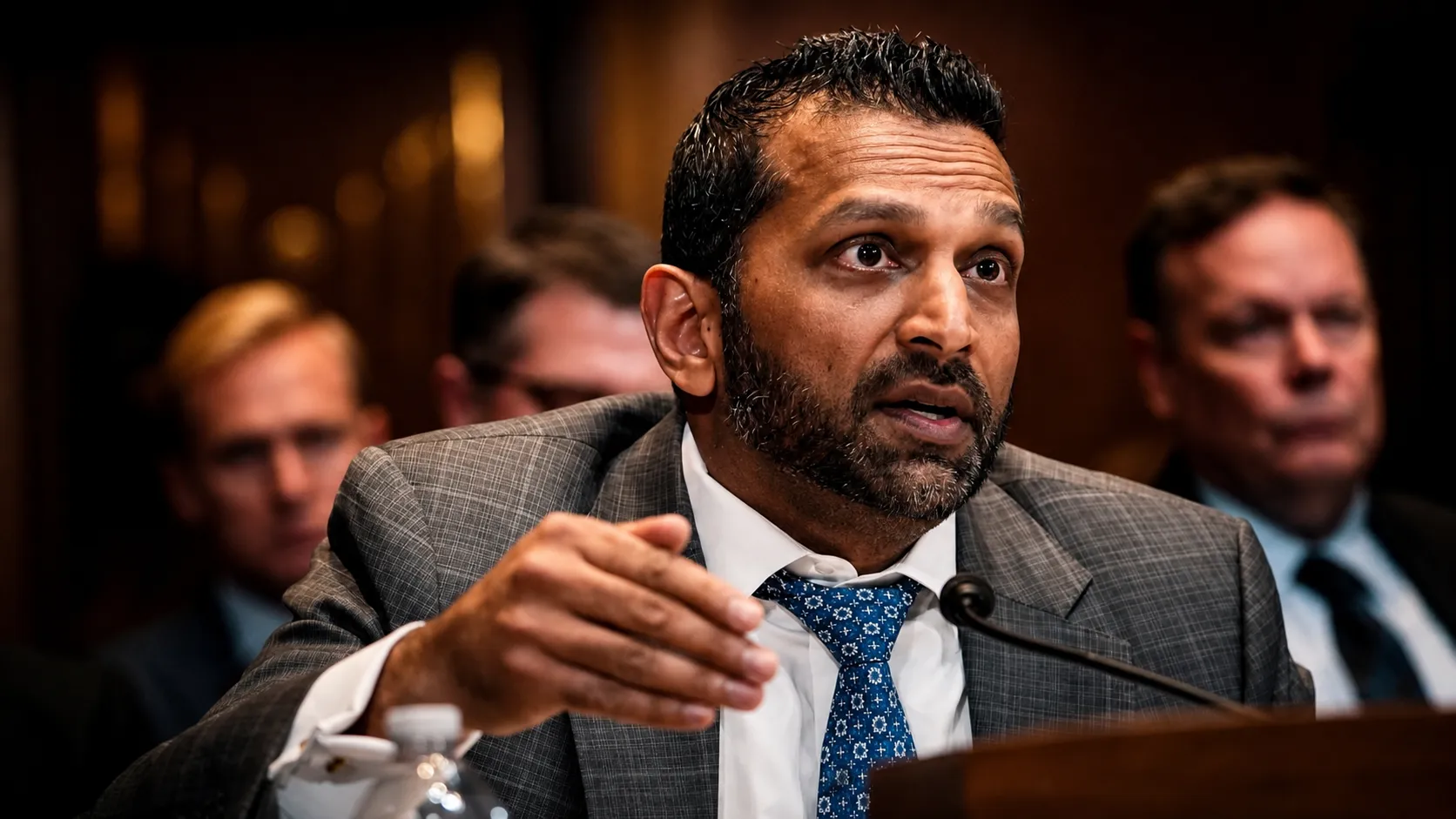
The FBI is directing hundreds of analysts to its probe of Georgia’s 2020 presidential election, marking a significant escalation in resources dedicated to an investigation centered on claims that have been repeatedly debunked by state officials and courts.
https://www.youtube.com/watch?v=bN0p0u0lQ-U
A memo calls for the FBI to “surge” 260 investigative analysts and staff operations specialists to the effort, which the bureau designated as a “priority investigation.” Each analyst has been tasked with conducting checks of an estimated 708 records by July 17. The FBI’s internal documents authorize the analysts to work overtime, including weekends and holidays, to complete the work. FBI Director Kash Patel is ordering personnel from all field offices across the country to participate in the effort.
The expansion represents an extraordinary deployment of federal law enforcement resources into an investigation focused on a presidential election that President Donald Trump lost by a narrow margin. Georgia’s votes in 2020 were counted three times, including once by hand, and each count affirmed Democrat Joe Biden’s victory. Yet the investigation continues to pursue allegations that state investigators and independent reviews have found to be either unfounded or resulting from minor human error that did not affect the election outcome.
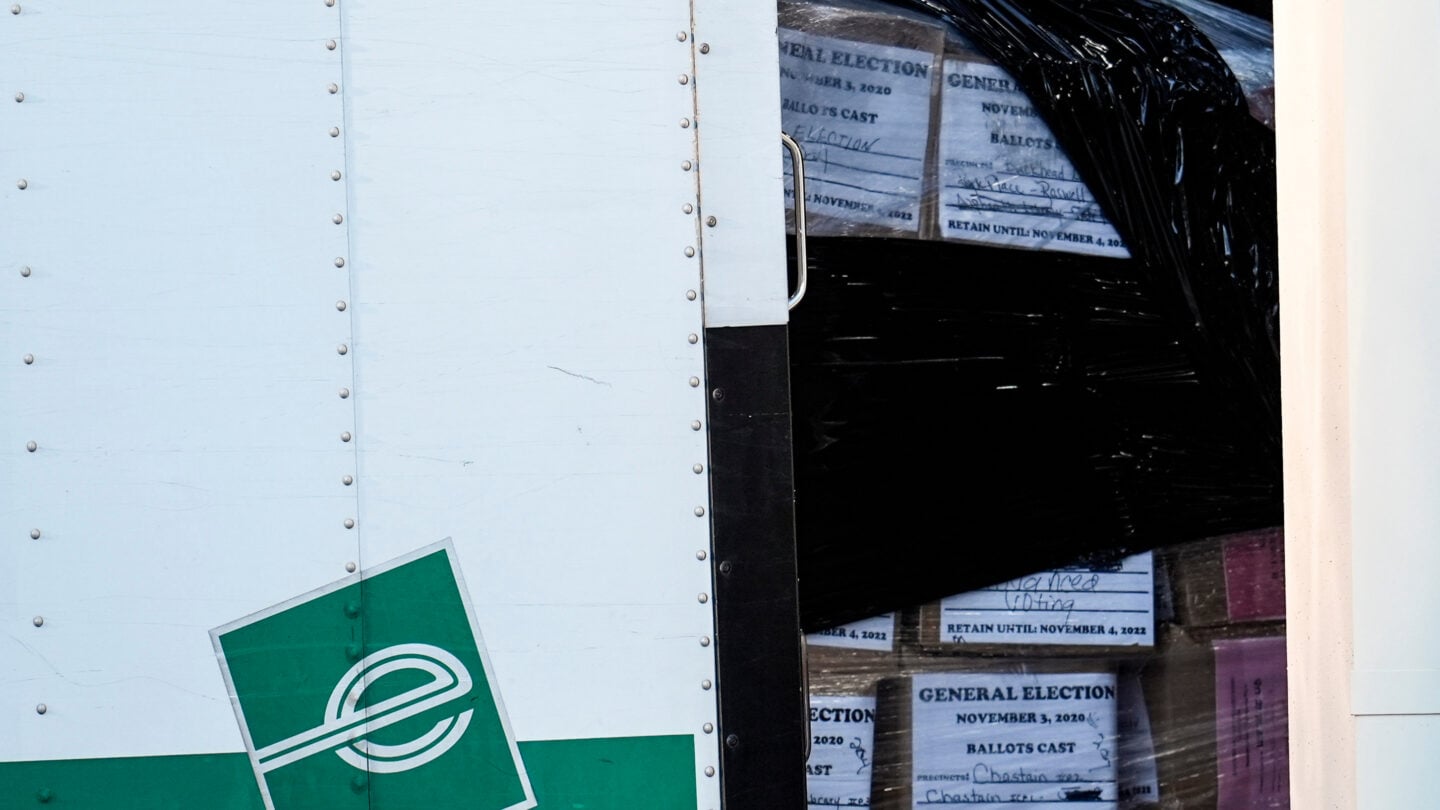
The surge of resources stems from an investigation that intensified in January 2026, when FBI agents executed a search warrant and seized more than 600 boxes of records from Fulton County’s election warehouse, including physical ballots, ballot images, voter rolls and tabulation materials. The seizure has proven controversial, with critics arguing that the affidavit supporting it relied heavily on claims that had previously been investigated and debunked by Republican-led inquiries in Georgia.
According to individuals familiar with the matter, the investigation aims to build evidence through examining associations between individuals, scrutinizing their social media activity, reviewing business records, tracking travel patterns and identifying contacts with other investigative subjects. The specific focus of the records reviews being conducted by the newly assigned analysts has not been disclosed.
The investigation originated from a referral by Kurt Olsen, a White House official appointed to oversee election integrity who has a history of challenging the 2020 election results. Olsen previously worked as a lawyer on cases seeking to overturn the 2020 election and was sanctioned by a federal judge for making false and misleading claims about election fraud. The FBI’s warrant application relies substantially on allegations related to missing ballot images, ballots that may have been scanned multiple times, inconsistent vote counts during hand audits, and potential irregularities in ballot counting procedures.
However, investigations conducted by the Georgia Secretary of State’s office and reviews by state election officials have repeatedly concluded that any irregularities found did not affect the accuracy of the results. In 2023, Fulton County entered into a consent order with the State Election Board in which the county and state acknowledged there was no intentional misconduct and that errors did not affect the 2020 election result. A final complaint regarding fraudulent ballots was dismissed unanimously by the State Election Board in 2024 after investigators could not substantiate the allegation.
Georgia Secretary of State Brad Raffensperger, a Republican who resisted Trump’s pressure to overturn the election results, has criticized the federal investigation. “Instead of wasting time and tax dollars trying to change the past with baseless and repackaged claims, let’s focus our efforts on building a safer, more affordable future for all hardworking Georgians,” he said.
The effort has drawn scrutiny from legal experts and election officials. Rick Hasen, a professor at UCLA Law School, called the FBI’s search warrant “especially dangerous” given that the Georgia election has been extensively counted, recounted and investigated. Some observers have noted that the affidavit used to justify the January search contained omissions of key findings from state investigations and was based substantially on claims made by individuals who have previously promoted unfounded election fraud allegations.
Fulton County officials have resisted the seizure of the election materials, filing a lawsuit seeking their return and arguing that the ballots had been secure in county custody. The county challenged the investigation as a “callous disregard” of constitutional rights, contending that the affidavit lacked probable cause and vital information necessary to justify the search warrant.
The Justice Department has defended the investigation, arguing that it is examining potential violations of federal election laws regarding the retention of election records and the production of fraudulent ballots. The department identified the investigation as focusing on whether Fulton County properly retained ballot images, whether ballots were scanned and counted multiple times, whether unfolded and unmailed ballots were counted as mail-in absentee ballots, and irregularities in tabulator tapes.
The investigation is part of a broader Trump administration effort that has included requests for voter data from numerous states and examinations of election administration practices. The Justice Department filed a subpoena in April seeking the names, addresses and contact information of Fulton County’s 2020 election workers and volunteers.
As the FBI dramatically expands its personnel assignment, no criminal charges have been filed, and federal authorities have released few details about the scope or direction of the investigation. The effort underscores Trump’s continued focus on the 2020 election, a theme he has repeatedly emphasized despite his 2024 election victory.