


The Supreme Court on Thursday declined to halt an $800-a-day fine imposed on Catherine Herridge, a veteran investigative reporter who has refused to reveal her confidential sources. The decision allows the contempt of court order to take effect, marking a significant development in an ongoing legal battle that has garnered close attention from press freedom advocates nationwide.
Herridge, who spent 23 years at Fox News as its chief intelligence correspondent before moving to CBS News in 2019 and later becoming an independent journalist, faces the escalating fines unless she discloses her source for a 2017 investigative series about Yanping Chen, a Chinese American scientist. The articles examined Chen’s alleged ties to the Chinese military and questioned whether she was using a professional school she founded in Virginia to help the Chinese government obtain information about American servicemembers.
The FBI conducted a counterintelligence investigation into Chen spanning several years, but the investigation ultimately ended without criminal charges. Following the publication of Herridge’s reporting, Chen sued the federal government, alleging that officials had violated the Privacy Act by leaking confidential investigative materials to reporters. To support her lawsuit, Chen sought to identify the source of the leak by forcing Herridge to reveal who provided her with the information.
In February 2024, U.S. District Judge Christopher Cooper held Herridge in civil contempt after she refused to answer questions about her confidential source during a deposition. Cooper found that Chen’s need to identify the leaker outweighed Herridge’s First Amendment interest in protecting journalistic sources. The judge initially paused the monetary sanctions while Herridge appealed, but in 2025, the U.S. Court of Appeals for the District of Columbia Circuit upheld the contempt ruling.
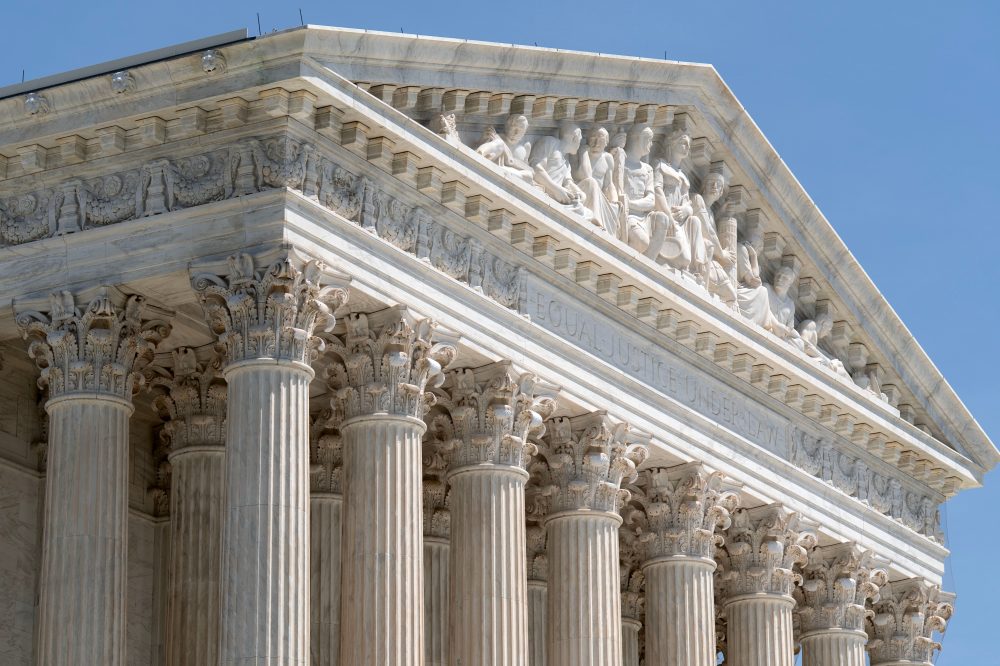
Chief Justice John Roberts briefly halted the fine on June 26, 2026, to allow the Supreme Court to consider Herridge’s emergency appeal. However, in a brief order issued Thursday with no explanation of its reasoning, the Supreme Court declined to grant her request for what is known as a stay. Justice Brett Kavanaugh noted his dissent from the decision, indicating he would have supported halting the fine.
The case has become a focal point in the ongoing debate over the scope of reporter’s privilege in federal courts. Media advocates argue that forcing journalists to reveal sources poses a chilling effect on investigative reporting and the flow of information to the public.
“Protecting the confidentiality of journalistic sourcing and the integrity of the newsgathering process is fundamental to a free and functioning democracy,” Fox News Media said in a statement expressing disappointment with the court’s decision. The network said it remains committed to defending First Amendment principles and is reviewing options to continue fighting what it called the injustice.
The Reporters Committee for Freedom of the Press also weighed in on the case. “Journalists facing contempt should not have to muster large payments to the court while they seek to vindicate First Amendment rights,” said Bruce Brown, the organization’s president. “And forcing them to betray source confidences always has a harmful impact on the free flow of information to the public.”
Chen’s legal team has taken a different position, contending that Herridge has no special right to ignore court orders. They argue that if the Supreme Court were to review the underlying appeal, Herridge would be able to recover any fines she pays. Chen’s lawyers also assert that the federal official or officials who leaked the information violated federal law and that Chen, like any American citizen, deserves to know who unlawfully disclosed her private information.
The financial burden on Herridge is substantial. Each day she refuses to comply with the court order results in an additional $800 fine accumulating against her. Herridge has testified before Congress about the toll the litigation has taken on her, describing the potential loss of her family home and savings if forced to pay the mounting fines.
Thursday’s Supreme Court decision does not resolve whether Herridge must ultimately disclose her sources under federal or district law. The decision only pertains to her request to halt the lower court’s fines while her appeal proceeds. Herridge’s attorney has not commented on whether she will continue pursuing the case in any court.
The case arises during a period when federal shield law protections for journalists remain inconsistent. The D.C. Circuit Court has not clearly defined the scope of reporter’s privilege, leaving judges with unclear guidance on how to balance the interests of sources, journalists, and litigants seeking discovery. Legal observers have noted that the Herridge case could present an opportunity for courts to clarify and potentially strengthen protections for confidential sources, though such action appears unlikely given Thursday’s outcome.