

**Key facts:**
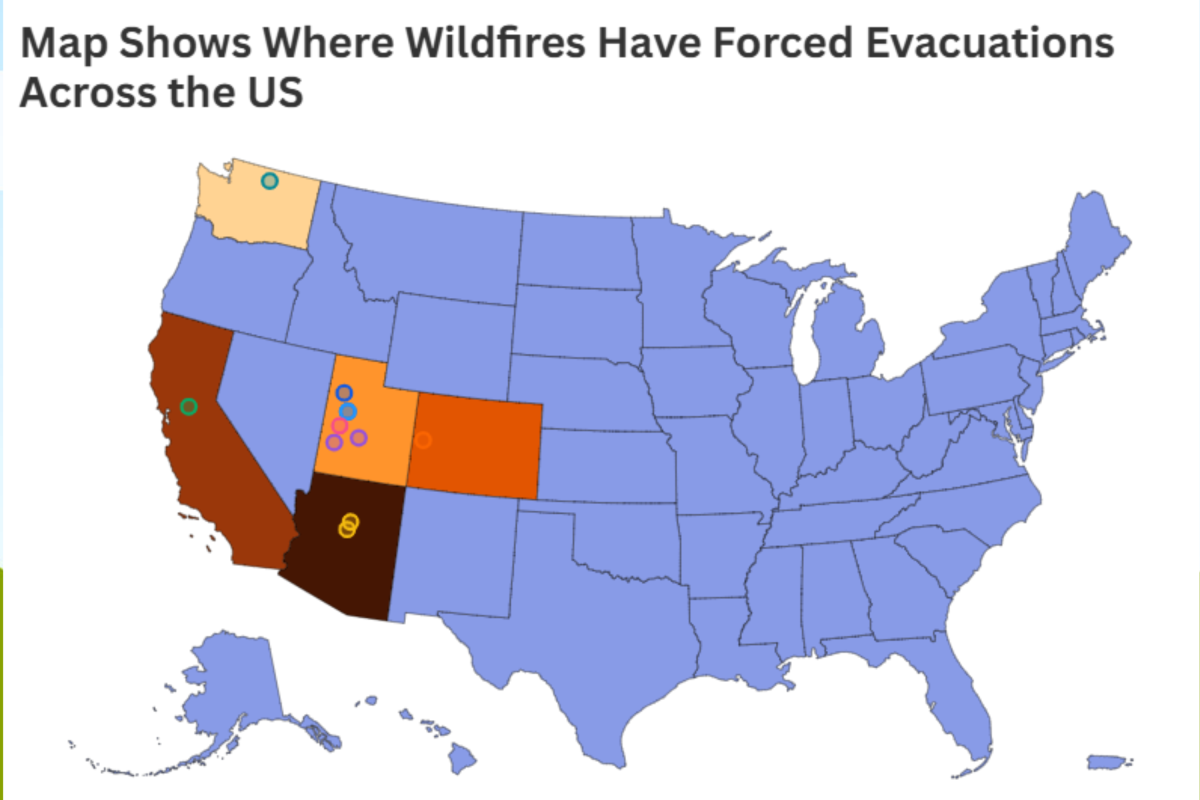
– Multiple large, fast-moving wildfires across the West (Utah, Colorado, New Mexico, Nevada, Arizona)
– Largest: Cottonwood Fire (~94,000 acres in Utah), Aspen Acres Fire (50,000+ acres in Colorado), Babylon Fire (79,800 acres in Utah)
– Three firefighters died in Snyder Fire burnover: Emily Barker, 38; Nick Hutcherson, 27; Sydney Watson, 27
– Hundreds of homes destroyed (Cottonwood alone at least 150+, Aspen Acres over 180)
– Multiple repeat evacuations in same communities
– Conditions: drought, low humidity, high temps, strong winds
– Mental health toll from ongoing evacuations and uncertainty
– Fourth of July celebrations cancelled across Colorado and Utah due to fire danger
– Over 36,200 wildfires nationwide, over 3.16 million acres burned YTD
– Preparedness Level 4 out of 5 declared
Now I’ll write the article:
—
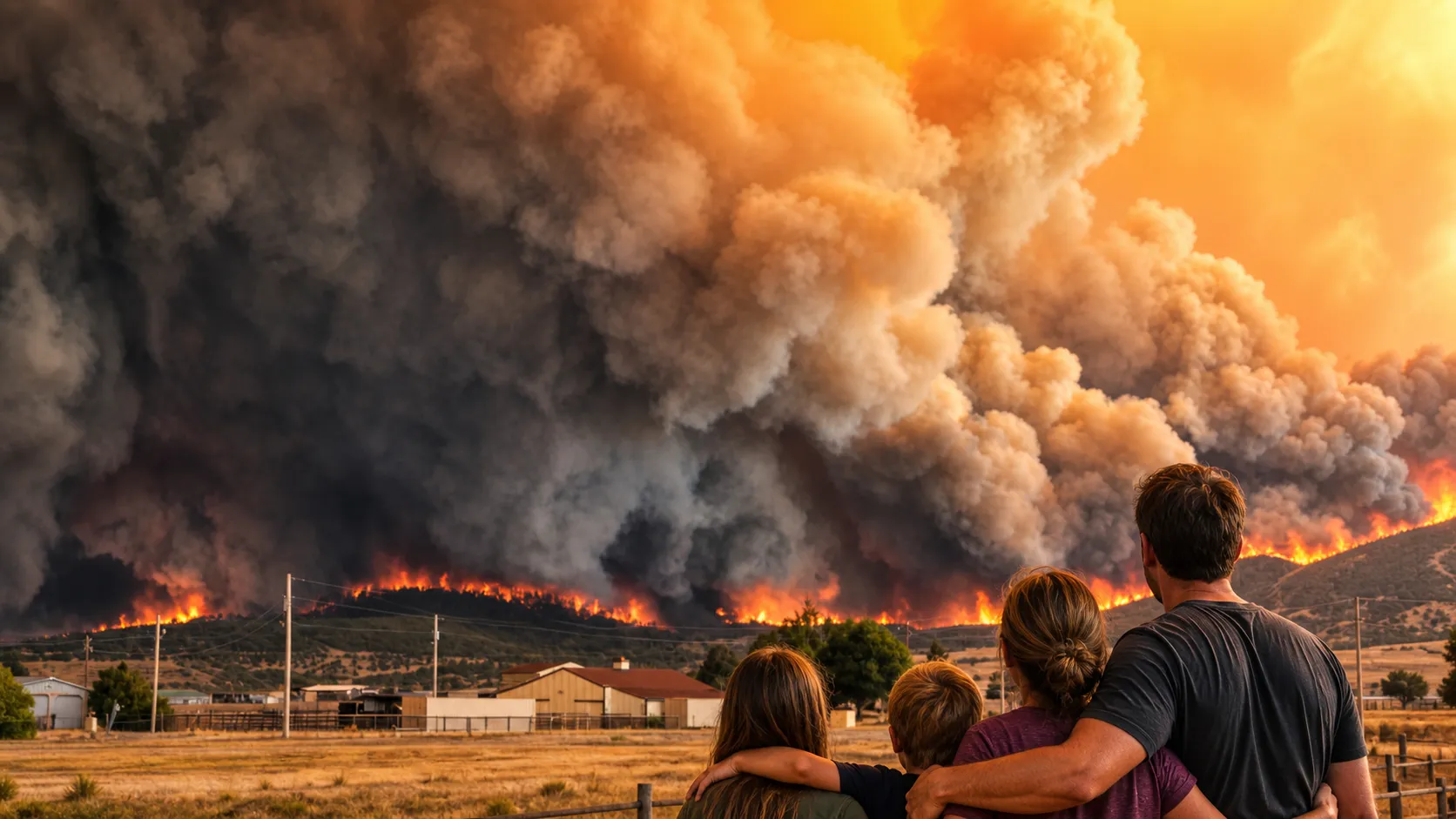
Fast-moving wildfires are sweeping through the American West with unprecedented fury this early summer, forcing thousands of residents into repeated evacuations while stretching emergency resources to their limits and leaving communities gripped by anxiety about what the season ahead might bring.
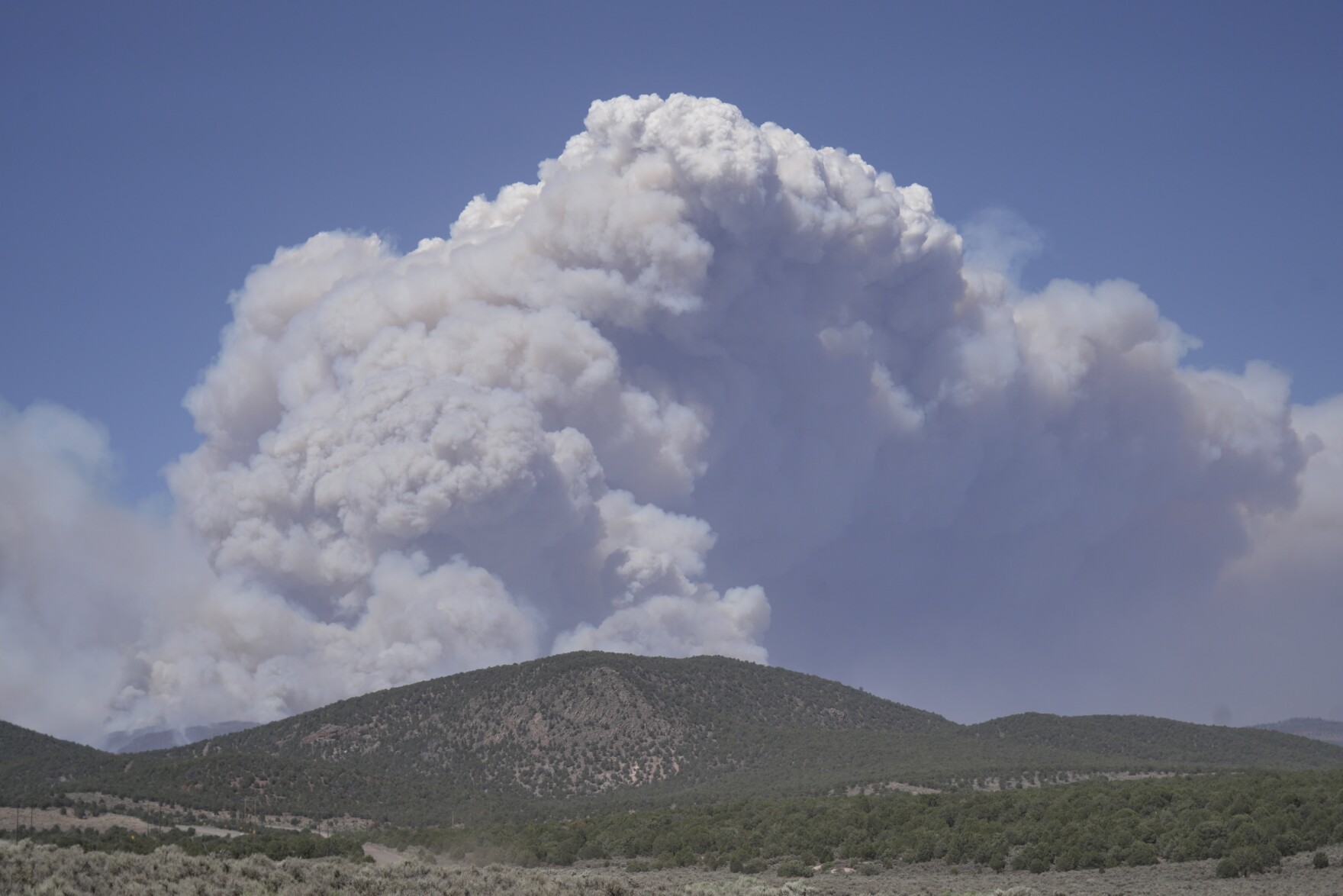
The scope of the crisis is staggering. As of early July, more than 36,200 wildfires have burned over 3.16 million acres nationwide, pushing the country well ahead of the 10-year average and prompting the National Interagency Fire Center to elevate the national preparedness level to Level 4 on its five-point scale. In the mountainous regions of Utah and Colorado alone, six massive fires are consuming tens of thousands of acres with minimal containment, destroying hundreds of homes and forcing mandatory evacuations across entire towns.
The Cottonwood Fire in southwestern Utah has become the largest wildfire currently burning in the United States, charring nearly 94,000 acres with only 5 percent containment. The blaze obliterated the Eagle Point ski resort and destroyed summer cabins across Beaver County. An estimated 150 structures have been lost to the flames, making it the most destructive wildfire on Utah’s record when measured by structures destroyed. The fire forced mandatory evacuations of residents in towns including Marysvale, Junction, and Circleville, with roughly 1,300 people in those communities placed on standby alert, ready to flee at a moment’s notice.
In Colorado, the Aspen Acres Fire raging across Pueblo and Custer counties has become the top-priority fire in the nation. The blaze exploded from ignition on June 29 to consuming over 50,000 acres with zero containment by July 2, advancing so rapidly that evacuation zones that officials hoped might soon reopen were instead forced to expand. The fire has destroyed at least 180 structures, with officials warning that figure will likely rise as teams can safely assess neighborhoods. The town of Beulah became completely surrounded by flames, cutting off access and creating a desperate situation for those trapped in evacuation zones.
These headline-grabbing fires represent only part of the crisis unfolding across the West. The Babylon Fire near Monticello, Utah has burned nearly 80,000 acres. The Snyder Fire, which merged with multiple other blazes along the Colorado-Utah border, has claimed three lives. Three firefighters—Emily Barker, 38, of Michigan; Nick Hutcherson, 27, of Arizona; and Sydney Watson, 27, of Alabama—were killed when they became caught in a burnover incident, a tragic reminder of the extreme hazards firefighters face in these unprecedented conditions.
One of the defining features of this wildfire season is the relentless speed with which fires spread and the chaos of multiple, overlapping evacuations. Residents in some areas have been forced to evacuate, return home briefly when conditions improved, only to be ordered to leave again as fire behavior proved more unpredictable than anticipated. The Aspen Acres Fire exemplifies this pattern: evacuation zones were drawn and redrawn repeatedly, with officials unable to predict with confidence where the flames might jump next. This cycle of evacuation warnings followed by brief reprieves followed by new evacuation orders creates a particular kind of exhaustion and trauma.
The anxiety gripping affected communities extends beyond physical danger. Mental health experts have documented how ongoing evacuation orders, uncertainty about whether homes will survive, and the constant environmental threat create significant psychological tolls. Residents report sleep disturbances, hypervigilance, and emotional exhaustion even before fires directly threaten their properties. For those who have experienced wildfires before, subsequent evacuations compound the trauma, reigniting memories and fear from previous escapes.
The conditions driving this explosive fire season are well understood: a record-warm winter left fuel moisture levels at historic lows, while drought has persisted across the region. Red flag warnings have been nearly constant across Colorado and southeastern Utah, where fire danger is rated at critical levels. Meteorologists warn that strong winds in late morning through afternoon hours, sustained at 15-30 miles per hour with gusts exceeding 40 miles per hour, will continue through at least the middle of the week, keeping fire behavior extreme.
The social fabric of affected communities has been disrupted in ways beyond property destruction. Fourth of July celebrations, traditionally one of America’s most beloved holidays, have been either cancelled entirely or severely curtailed across Colorado and Utah. Colorado Springs, Pueblo, Durango, Ouray, Cripple Creek, Woodland Park, and dozens of other communities have cancelled their fireworks displays. Utah Governor Spencer Cox issued an emergency order restricting all personal fireworks statewide from July 2-5, acknowledging that the state is experiencing one of its most severe wildfire seasons in recent history. The cancelled celebrations represent more than lost holiday traditions; they symbolize the emergency conditions that have consumed communities’ attention and resources.
Firefighting resources are stretched paper-thin. Hundreds of firefighters have been mobilized on each of the largest fires. An incident management team from Alaska took over operations on the Aspen Acres Fire, with 100 engines arriving from California to assist. Despite these massive deployments, progress has been slow. In many cases, aerial support has been grounded by extreme winds and thick smoke clouds that obscure the landscape and create dangerous conditions for pilots. The Aspen Acres Fire remained 0 percent contained even as it grew to over 50,000 acres by July 2.
State and federal officials have declared disaster emergencies to unlock additional resources, though even governors acknowledge the situation may worsen before it improves. Director Mike Morgan of Colorado’s fire division said the combination of exceptionally dry conditions and powerful, erratic winds is creating dangerous circumstances unlike any he has encountered in his decades-long firefighting career. “We cannot afford to get another large fire going on the landscape in the state of Colorado or in the Rocky Mountain area,” Morgan said, emphasizing how thin resources truly are.
The human cost is already visible in destroyed homes and lost structures, but the deeper impact will unfold over months and years. Survivors face the daunting task of rebuilding, navigating insurance claims, and processing the trauma of evacuation and loss. Those who evacuated multiple times within weeks speak of the exhaustion of perpetually staying alert, of living with go-bags packed, of the inability to plan for the future when the present remains so uncertain. Entire communities have been fractured, with some residents permanently displaced and others left wondering if the homes and possessions they managed to save this time will survive future fires.
As temperatures remain elevated and drought persists, fire officials warn the season is only beginning. What started in late June as an aggressive, unusually early beginning to wildfire season has already reached a point of crisis. In evacuated towns from Colorado City to Junction, Utah, in destroyed campgrounds and burned-out resort properties, residents are learning to live with wildfire anxiety as a constant feature of summer in the American West.