


Conservative politician Keiko Fujimori has been declared the winner of Peru’s presidential runoff election, capturing one of the narrowest victories in recent Latin American history. Peru’s National Jury of Elections officially announced her victory on Friday after a contentious vote count that stretched on for nearly a month following the June 7 runoff.
Fujimori, 51, secured 9,223,000 votes, or 50.135 percent, defeating leftist Congress member Roberto Sánchez, who received 9,173,000 votes, or 49.865 percent. The margin of victory was fewer than 50,000 votes out of more than 18 million ballots cast—a razor-thin result that underscores the deep political divisions fracturing the South American nation.
This victory marks Fujimori’s first successful presidential bid after three previous losses in 2011, 2016, and 2021. In her 2021 runoff against leftist Pedro Castillo, she lost by just 44,000 votes, making this the third consecutive close contest decided by a similar margin.
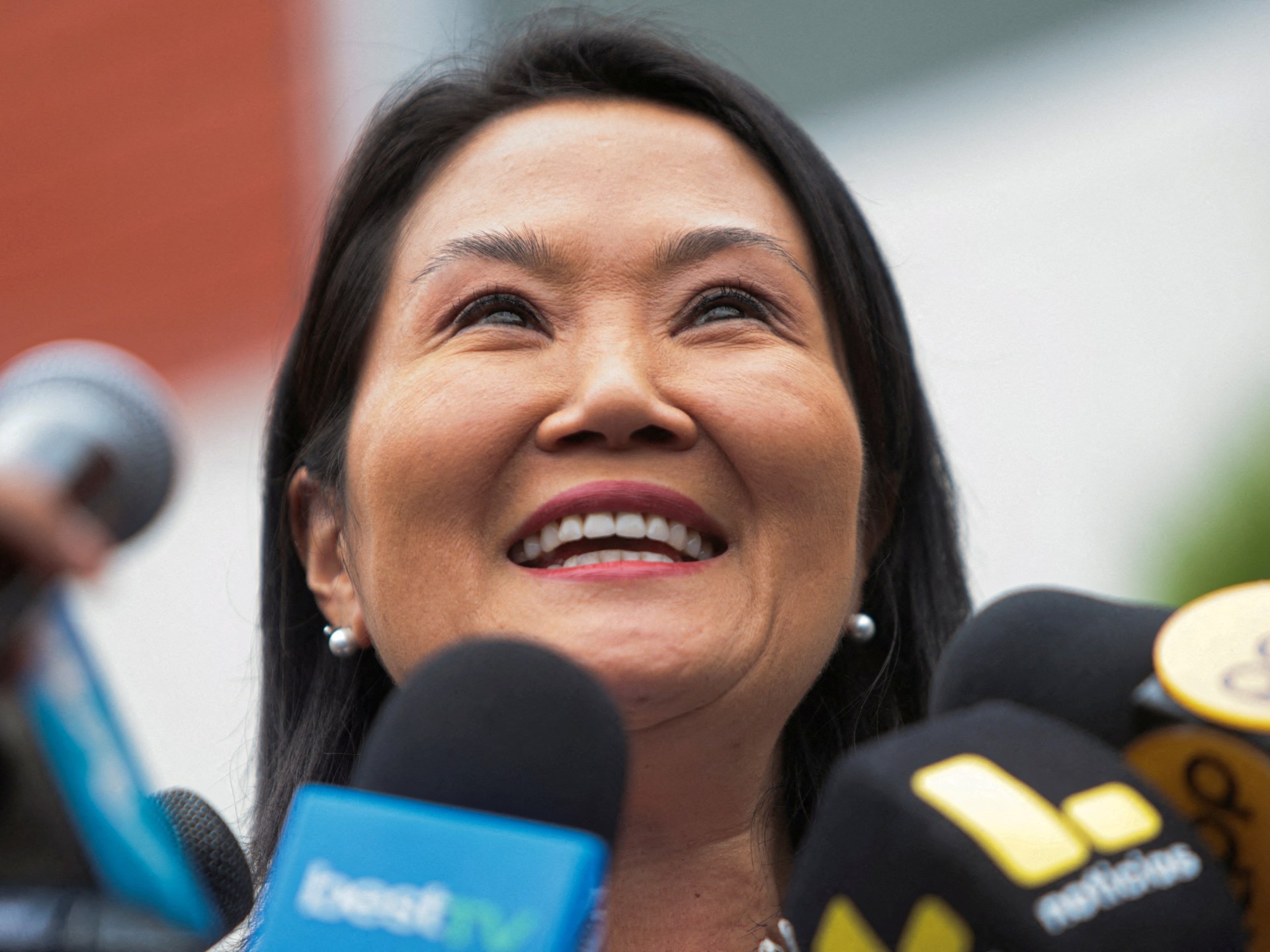
Fujimori is the daughter of former President Alberto Fujimori, who governed Peru from 1990 to 2000 and was later convicted of human rights violations. The elder Fujimori was sentenced to 25 years in prison for his role in death squad killings carried out by the Grupo Colina during his battle against the Shining Path guerrilla insurgency. He was released in December 2023 following a controversial pardon. Thousands of innocent civilians were killed by armed forces during his tenure, though he was credited with helping to quell the leftist insurgency that had plagued the country.
Fujimori will become Peru’s ninth president in the past decade, a stark reflection of the country’s political turmoil. She will take office on July 28, Peru’s Independence Day, to begin a five-year term. She will also make history as Peru’s first female president-elect.
The election unfolded amid unprecedented challenges. The first round in April featured a record 35 candidates, reflecting the fragmentation of Peru’s political landscape. Fujimori finished first with 17.19 percent of the vote, while Sánchez secured second place with 12.03 percent. However, both early voting delays in April and a prolonged count after the June runoff created confusion and controversy.
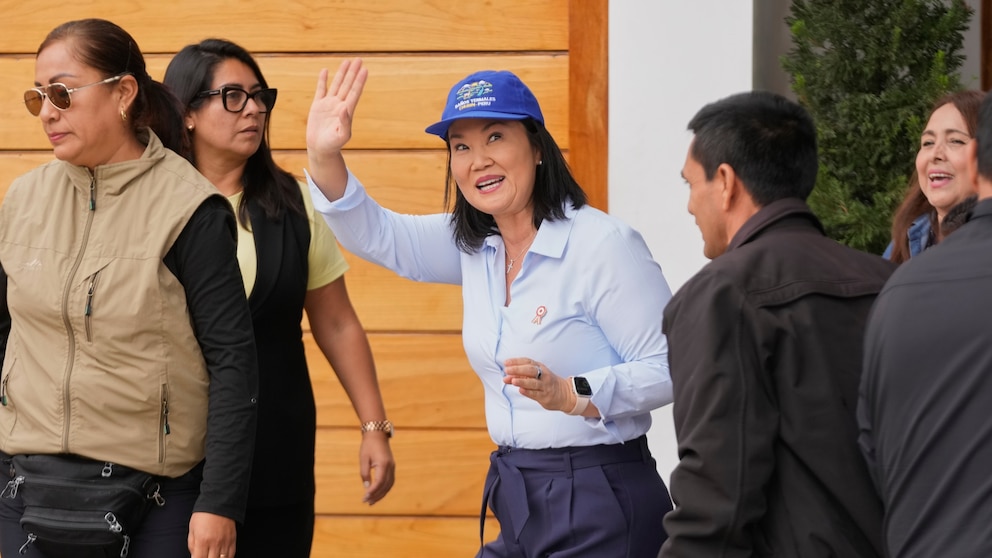
During the vote tallying process, Sánchez initially appeared to be winning when domestic votes were counted first. However, as overseas ballots were processed, Fujimori pulled ahead and maintained her lead. International election monitors from the Organization of American States said the second round proceeded without significant irregularities, though some procedural changes to how overseas votes were digitized drew scrutiny.
Sánchez, a former psychologist who served as trade minister under the briefly imprisoned President Pedro Castillo, has refused to concede. He alleged that the election procedures were fraudulent, particularly regarding overseas voting, though he provided no evidence of wrongdoing. Election monitors cautioned that no proof of vote irregularities has emerged.
Crime became the dominant issue driving voters’ choices in the election. Peru faced a dramatic surge in organized criminal violence, with extortion crimes increasing 1,000 percent between 2023 and 2025. The national homicide rate grew 200 percent between 2019 and 2024. In the final months of her campaign, Fujimori embraced her father’s tough-on-crime legacy, pledging an “iron fist” approach to security that resonated with voters fearful of violence and extortion targeting schools, businesses and transportation workers.
Sánchez, meanwhile, appealed primarily to rural and Indigenous voters with promises of anti-poverty measures, police reform, and a new constitution developed through “citizen participation.” He pledged to pardon the imprisoned former president Castillo, whose chaotic 16-month administration ended with an unconstitutional attempt to dissolve Congress.
Many observers characterized the race between two historically unpopular candidates as a choice between two flawed options. Some Peruvians voted for what they called “el mal menor,” or the lesser evil. Commentators noted that both candidates carried baggage—Fujimori with her controversial family legacy and her party’s role in congressional obstruction, and Sánchez with his association to Castillo’s troubled administration.
The victory carries significant implications for Peru’s governance. Fujimori’s party, Popular Force, is the largest minority in the newly reconstituted bicameral Congress but falls short of a majority. The return of a Senate, dissolved under her father in the 1990s, creates both opportunities and challenges. With a Senate that can impeach the government with just 40 votes and a chamber deeply divided between her allies and opponents, Fujimori faces substantial political constraints.
The United States Trump administration signaled swift support for Fujimori’s victory. The State Department said it “looks forward to deepening collaboration with the Fujimori Administration to advance security cooperation and to strengthen bilateral cooperation on investment and trade” in the region. Trump has previously backed several right-wing candidates across Latin America.
Many analysts and observers worry that Fujimori’s presidency could see Peru drift toward authoritarianism mirroring her father’s style. Critics point to her party’s role in undermining successive presidents through congressional obstruction and her embrace of hardline security measures. However, others see potential for business-friendly policies that could help stabilize Peru’s resilient but troubled economy.
“A new stage begins,” Fujimori wrote on social media Friday following her official declaration as winner. “We assume it with responsibility, humility, and a deep sense of duty. Each day of this transition process is an opportunity to listen, engage in dialogue, and arrive prepared at the start of the new government.” She pledged to work toward uniting a deeply divided nation and addressing the security crisis that dominated voter concerns throughout the campaign.