

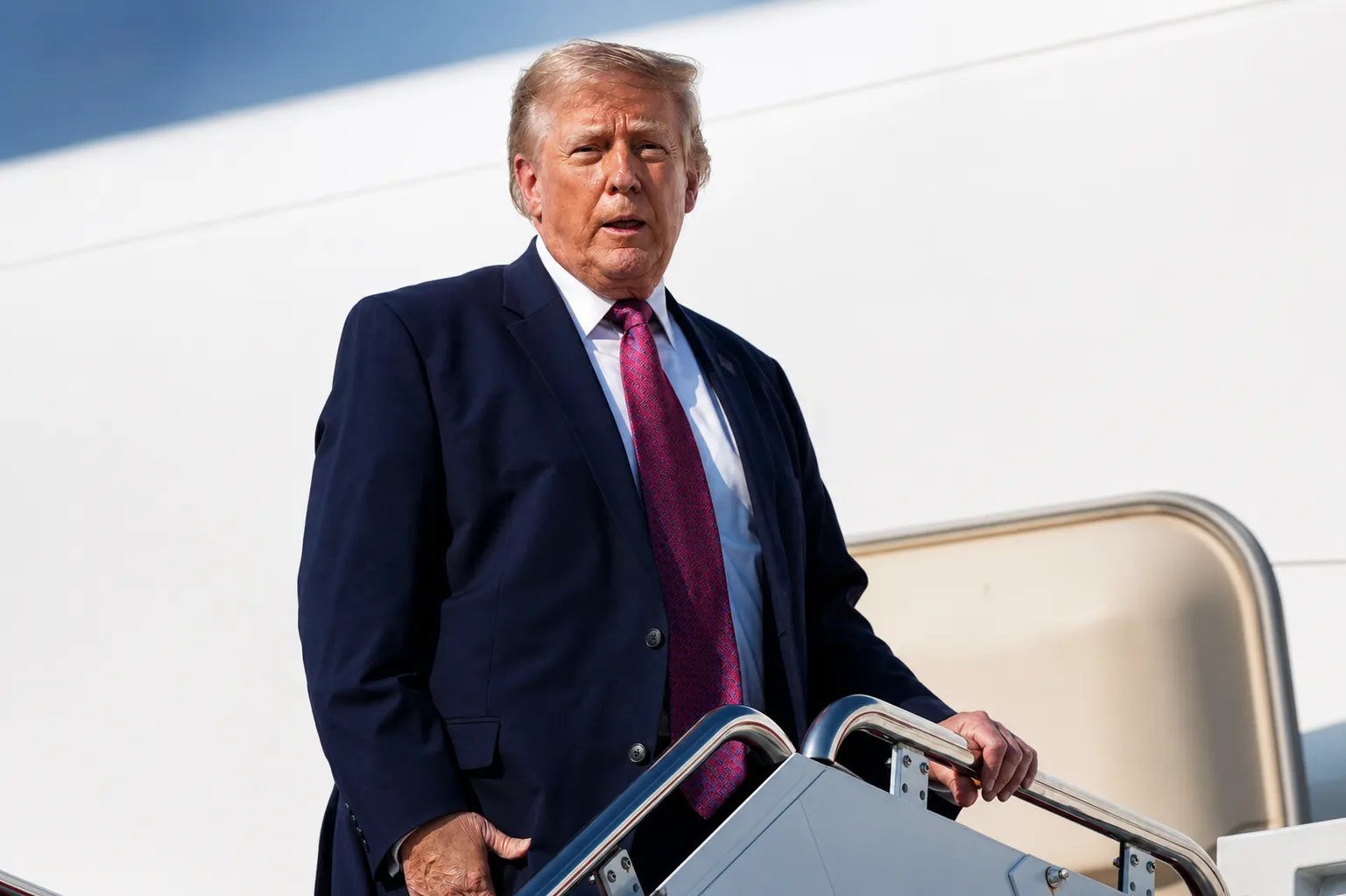
President Donald Trump on Friday pardoned 11 people, including a former business partner of Washington lobbyist Jack Abramoff and nine people convicted of violations related to vehicle emissions control systems.
The group of pardons reflects Trump’s broader pardon strategy in his second term, which has emphasized allies, political figures, and those his administration views as politically aligned. The emissions-related pardons specifically align with Trump’s recent deregulatory push targeting environmental enforcement.
Among those pardoned was Adam Kidan, Abramoff’s former business associate. Kidan pleaded guilty in 2005 to fraud and conspiracy related to the ill-fated purchase of a fleet of gambling boats known as SunCruz Casinos in 2000. He was sentenced to nearly six years in prison in 2006. The case was part of a broader investigation of the early 2000s lobbying scandal that involved Abramoff, Capitol Hill, the Interior Department, and members of the George W. Bush administration.
After his release from prison in 2009, Kidan transitioned into the staffing industry, founding Chartwell Staffing Solutions and eventually becoming president of Empire Workforce Solutions, according to the White House. In March, Newsday reported that Kidan had hosted a fundraiser at Trump’s Mar-a-Lago resort for a Long Island Republican congressional candidate.
The nine other individuals pardoned faced charges related to violations of the Clean Air Act. These pardons specifically targeted individuals who had been convicted of disabling emissions monitoring systems on vehicles or selling devices designed to bypass emissions controls. According to court records and prosecutorial documents, some of the individuals had faced federal charges in various jurisdictions across the country.
Among those pardoned for emissions-related offenses were Ryan and Wade Lalone, who according to prosecutors in western Michigan had been involved in a scheme to disable emissions controls on semi-trucks. Tim Clancy, prosecuted in Oregon, had been convicted of crimes related to tampering with emissions monitoring devices. Jonathan Achtemeier had pleaded guilty to conspiracy to violate the Clean Air Act after tampering with monitoring devices on hundreds of vehicles nationwide.
Joshua Davis, placed on probation, had settled with the Environmental Protection Agency in 2023 alongside several Illinois businesses. According to the EPA settlement, Davis and the businesses had agreed to stop manufacturing and selling devices to bypass EPA-approved emission controls. The defendants were ordered to pay $600,000.
The pardons came one day after Trump signed an executive memo directing the Environmental Protection Agency to allow Americans to repair their own vehicles as they see fit. While signing the memo, Trump referenced a diesel mechanic he had previously pardoned who had disabled emissions monitoring systems. The memo also addressed aftermarket auto parts and would supersede the ability of the California Air Resources Board to evaluate parts affecting vehicle emissions.
The White House framed the pardons as relieving “consumers from these regulatory burdens.” Trump himself characterized the cases as examples of what he called “weaponization and stupidity” by federal prosecutors under the Biden administration.
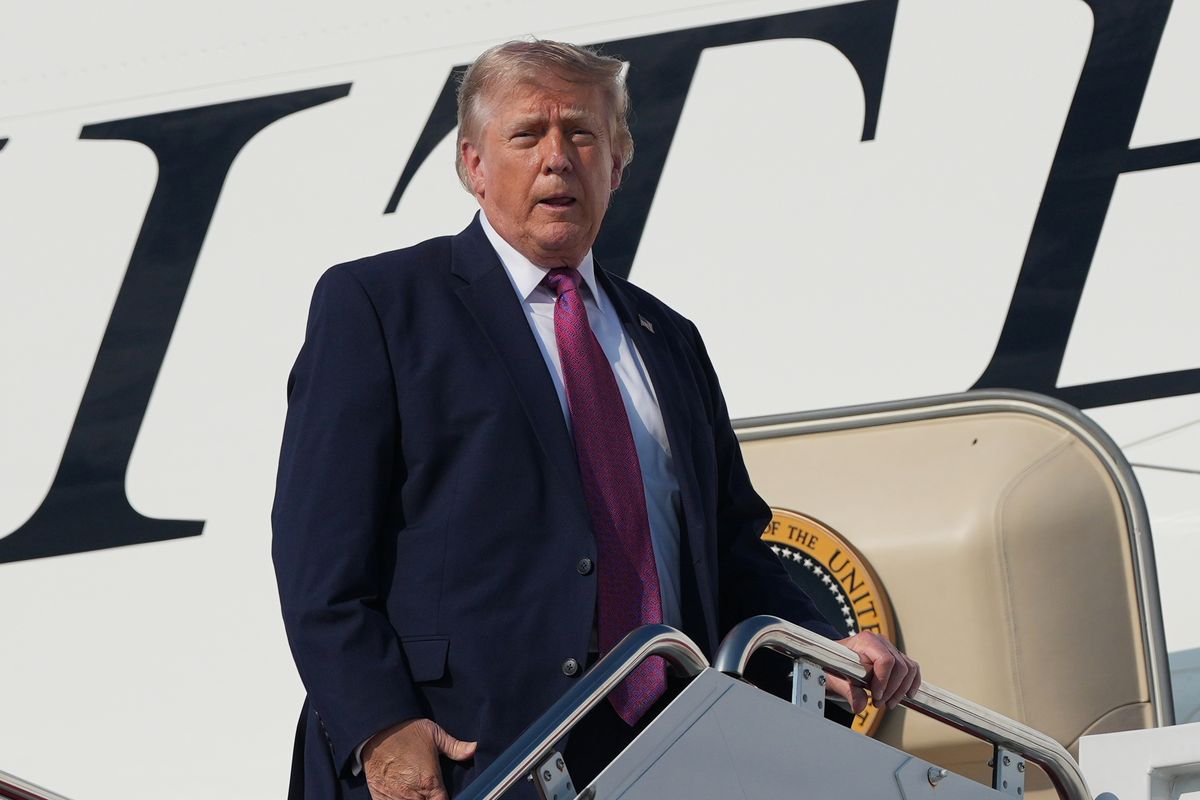
Trump announced the initial pardons on social media without identifying any recipients by name, writing “It is my Great Honor to have just signed Pardons for six people who were persecuted by the Biden Administration, and were in, or being sent to, prison, for ‘fixing their car.'” The full list of 11 names was later provided by the White House.
The Justice Department had already signaled its stance on such cases earlier this year, ordering federal prosecutors to drop criminal investigations and abandon pending prosecutions related to “defeat devices”—software designed to bypass emissions controls.
The pardon effort has been managed by a small group of senior Trump administration aides and advisers, including White House special counsel David Warrington, chief of staff Susie Wiles, and US Pardon Attorney Ed Martin. Cases are initially considered by Warrington in coordination with Martin and the Justice Department, with handpicked candidates then taken to Wiles for review before final decisions are made by Trump.
Trump also pardoned ranch owner Jack Harvard on Friday, citing an “upstanding record” after his conviction and praising him for allowing U.S. Military and NATO troops to train on his land without charge. The White House did not immediately release additional details about Harvard or the nature of his conviction.
The pardons add to what has already been a significant use of presidential clemency powers in Trump’s second term. Since taking office, he has granted clemency to numerous allies and politically aligned figures, though the emissions cases appear to reflect a policy preference regarding environmental regulation rather than personal political connections.