

The U.S. Labor market cooled sharply in June, with employers adding just 57,000 jobs—well below economists’ expectations and marking a dramatic slowdown from the previous month’s gains. The data painted a picture of a labor market stuck in neutral, even as consumer sentiment, already battered by months of elevated inflation and economic uncertainty, failed to rebound significantly despite some relief from falling gas prices.
The weak hiring figures represented a marked deceleration from May’s revised total of 129,000 jobs, and fell roughly half the 115,000 positions that economists had predicted. Prior months were revised downward as well, with April losing an additional 31,000 jobs from earlier estimates and May losing 43,000 more, for a combined two-month downward revision of 74,000 positions. Leisure and hospitality emerged as the hardest-hit sector, shedding 61,000 jobs in June, reflecting weaker-than-usual seasonal hiring as the much-anticipated FIFA World Cup, being hosted across multiple U.S. Cities, failed to provide the hiring boost that some had forecasted.
The unemployment rate did edge down slightly to 4.2% from 4.3%, but this decline masked underlying weakness in the labor market. The improvement came almost entirely from people leaving the labor force rather than finding employment. The labor force participation rate dropped 0.3 percentage point to 61.5%, marking its lowest level since March 2021. Total employment, measured in the household survey, actually fell by 507,000 during the month, a significant contraction that underscored the softness beneath the headline unemployment figure.
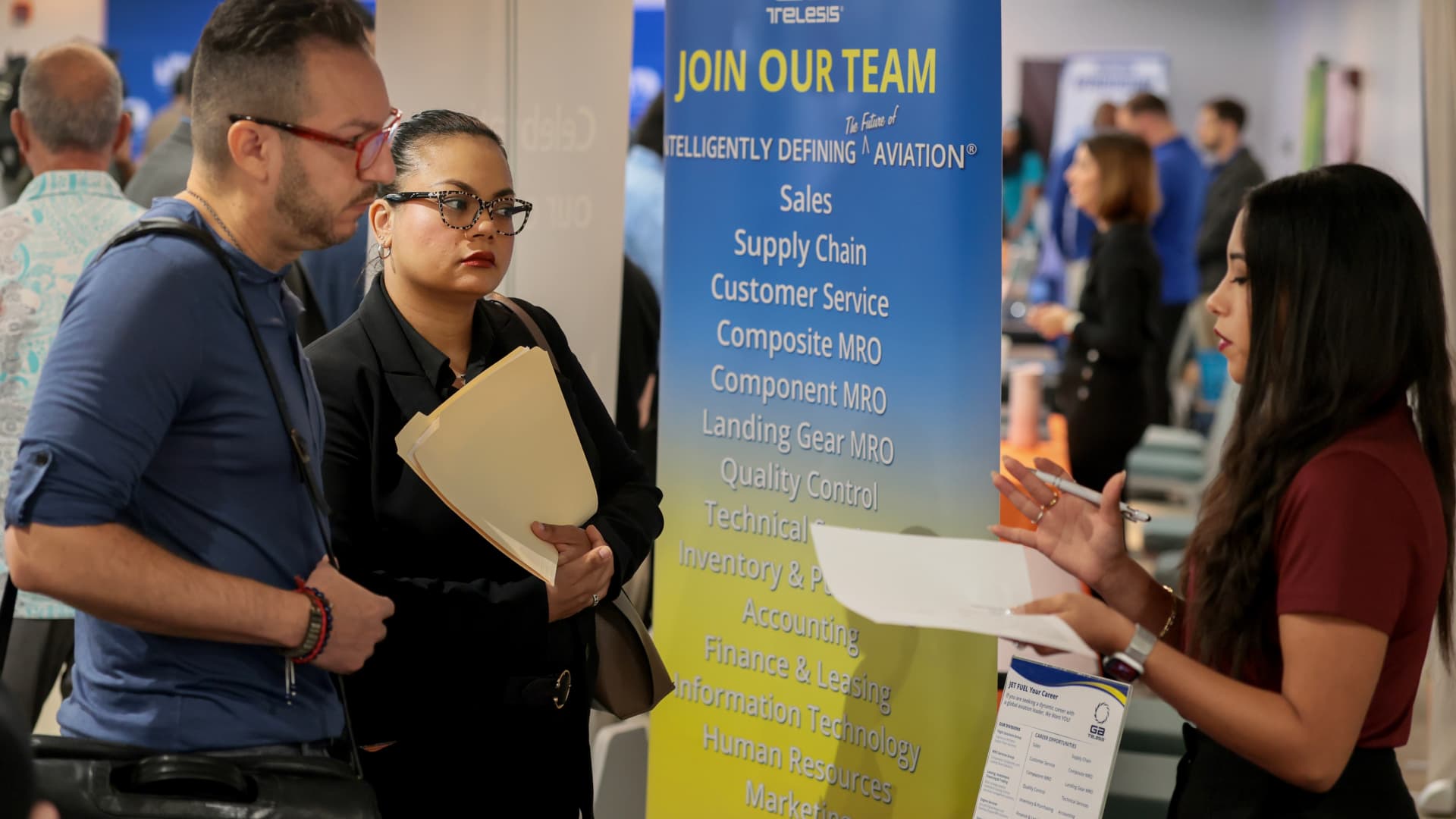
Job gains were concentrated in a narrow set of industries. Professional and business services led with 36,000 new positions, while social assistance added 25,000 and healthcare added 22,000 jobs but at a slower pace than its recent average. Most other major industries showed little to no change, while government employment ticked up by just 8,000 positions. The narrow base of job creation, combined with the overall slowdown, prompted economists to describe the labor market as one caught between ebbing and flowing tides, with neither robust hiring nor significant layoffs defining the moment.
Consumer sentiment, though slightly improved from record lows, remained in deeply pessimistic territory as households continued to grapple with the economic fallout from the Iran conflict and persistent inflation. The University of Michigan’s Consumer Sentiment Index rose to 49.5 in June, up from May’s all-time low of 44.8, but still lingering 13% below February levels before the geopolitical crisis began. The modest recovery was driven primarily by falling gas prices in early June, which provided particular relief to lower-income households for whom fuel comprises a larger share of household budgets.
However, this sentiment improvement came against a backdrop of stubborn economic headwinds. Inflation remained elevated, with the cost of living continuing to weigh heavily on household finances. Consumer inflation expectations, while declining slightly, remained well above levels consistent with the Federal Reserve’s targets. The Conference Board’s Consumer Confidence Index offered a similarly bleak picture, showing that consumers had downgraded their assessment of the current labor market, with 22.5% of respondents saying jobs were “hard to get”—the highest reading since January 2021.

The disconnect between economic data and consumer pessimism reflected months of mounting financial stress on American households. Since late February, when the U.S. And Israel launched military operations against Iran, geopolitical tensions have disrupted global oil supplies and driven energy prices sharply higher. While gas prices have begun retreating from their peaks in recent weeks, they remain more than a dollar above pre-conflict levels. Real wages have failed to keep pace with inflation, leaving workers earning the equivalent of what they made in early 2025 despite nominal wage growth. The average household had spent an additional $3,100 on essential goods and services since the beginning of 2026, according to some estimates.
Economic growth itself, while positive, has been losing momentum. In the first quarter, GDP expanded at an annual rate of 2.1%, but this masked a significant deceleration in consumer spending—which accounts for roughly two-thirds of economic activity—from 1.9% growth in the fourth quarter to just 0.5% in the first quarter. Consumer spending growth has been increasingly supported by household wealth drawdowns, increased credit usage, and depleted savings as households struggle to maintain their previous spending levels amid higher costs.
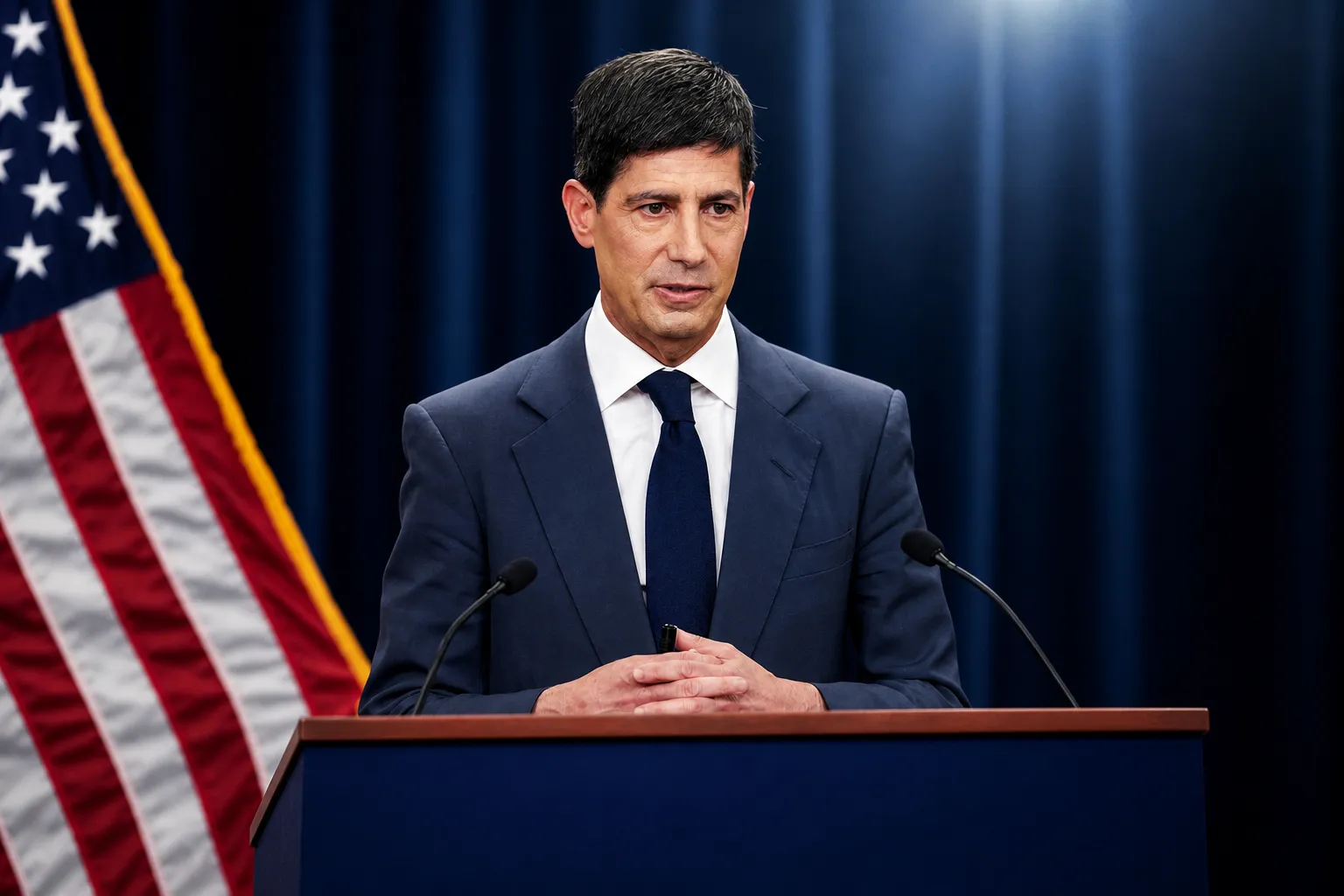
The weak jobs report appeared to ease concerns about the likelihood of interest rate increases in the near term. Stock market futures rose following the announcement, and traders pared back bets on a rate hike as soon as September. Federal Reserve Chair Kevin Warsh, newly installed at the helm of the central bank, has maintained that controlling inflation remains the priority, but the softer labor market data gave policymakers room to take a more patient approach to monetary policy.
Yet the underlying economic picture presented a complex puzzle. Unemployment remained low by historical standards, and job gains, while slowing, remained modestly positive. Wage growth held steady at 3.5% annually, avoiding outright declines. The market for jobs appeared less like a crisis and more like a stalled engine—capable of sputtering forward but lacking the momentum that characterized the post-pandemic period.
For American workers and households, the June jobs report and consumer sentiment readings offered little comfort. With labor market growth stalling, consumer morale deeply depressed despite modest recent improvements, and real purchasing power still under pressure from inflation, the economic picture appeared to be one of mounting uncertainty and exhaustion after years of external shocks.