


Mexico fans dream of more wins in the World Cup, singing “What if we do?” as the national team prepares for a crucial match against England. The phrase, which translates to “¿Y si sí?” in Spanish, represents far more than a simple question. It encapsulates the hope of two generations of Mexicans who have endured defeats for decades and waited 40 years to see their national team advance to the quarterfinals, something that could become reality on Sunday if Mexico defeats England.
The Mexican national team has already surprised many with its stunning performance in the 2026 World Cup. Mexico has won all its opening matches without conceding a single goal, remaining undefeated heading into the England clash. The team’s first major test came against South Africa in the tournament’s opening match, which Mexico won 2-0, setting the tone for what would become an extraordinary run through the group stage. Victories followed against South Korea and the Czech Republic as Mexico topped Group A with a perfect record.
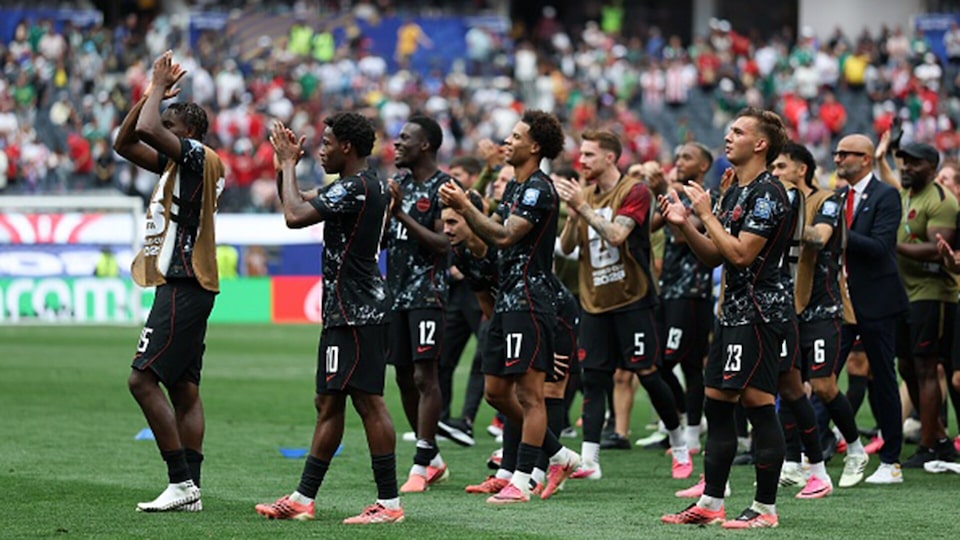
The euphoria surrounding Mexico’s victory over Ecuador in the round of 32 has been palpable throughout the nation, particularly in Mexico City. Millions took to the streets to celebrate Mexico’s 2-0 victory, marking the team’s first knockout-stage win in 40 years. However, the massive gatherings also brought tragedy. Four people died during the celebrations, three due to asphyxiation, according to Mexico City’s health department. Approximately one million people gathered in the streets near the iconic Angel of Independence monument, the traditional spot where Mexicans celebrate major sporting victories. Despite this tragedy, authorities have promised enhanced security measures and capped attendance for the upcoming England match, yet no one doubts the capital’s center will be packed once again.
Young players have become symbols of hope for the Mexican fan base. Gilberto Mora, the tournament’s youngest player at 17 years old, has captured the imagination of fans nationwide. Mora made history as the second-youngest player ever to start a World Cup knockout match, behind only Pelé. His appearance in the opening match against South Africa broke a 96-year-old Mexican record for the youngest player to feature in the tournament. Many Mexicans see Mora and his generational peers as representatives of possibility and ambition. Julián Quiñones, a naturalized Mexican citizen from Colombia, has also emerged as a symbol of the team’s cultural diversity and determination.
The sentiment among fans reflects something deeper than typical World Cup enthusiasm. Young people across Mexico have rallied around this team with an intensity rarely seen before. Esteban Bautista, a 21-year-old engineering student, captured the feeling perfectly, saying he had never experienced anything like the atmosphere surrounding the team. “We can have the best World Cup ever at home,” he said. Elián González, a 22-year-old nursing student from a suburb of Mexico City, expressed confidence that despite analysts lacking faith in Mexico’s ability to reach the final, “We’ve already broken the curse.” She pointed to the abundance of young players on the squad as the primary source of hope that the team could advance further than anyone expected.
The England match presents both tremendous opportunity and considerable challenge. Mexico can match its best-ever World Cup result by winning, as the country reached the semifinals in both 1986 and 1970, tournaments both held on home soil. Playing at Estadio Azteca in Mexico City offers significant advantages. The stadium sits at an altitude of over 2,200 meters, or about 7,200 feet above sea level, creating a physiological disadvantage for visiting teams unaccustomed to thin air. Mexico has an remarkable home record at the Azteca, with 70 victories in 89 competitive matches played there, alongside 17 draws and only 2 defeats. England, fully aware of these challenges, even attempted to keep its base hotel location secret to prevent Mexican supporters from staging serenades like those that disrupted Ecuador’s sleep before their match.
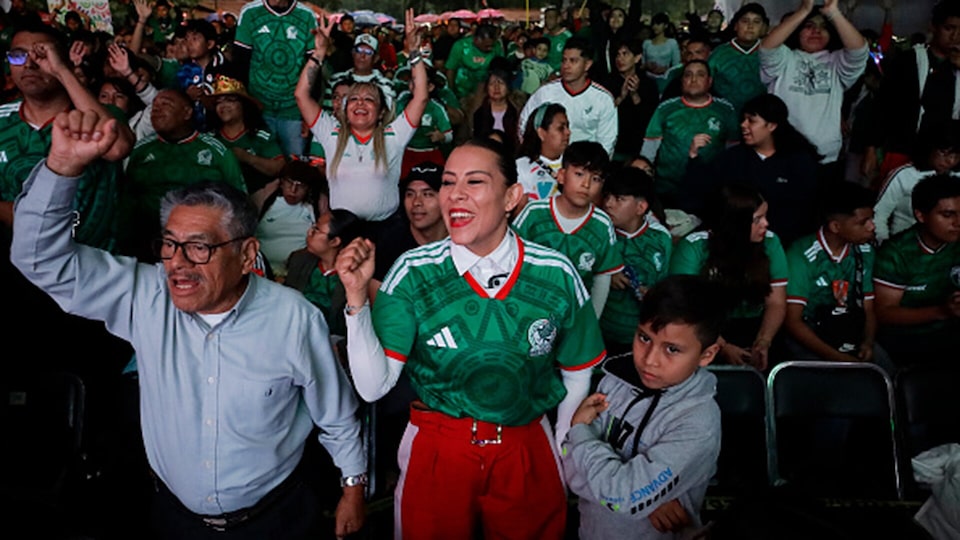
Joshua Zayas, 19, represents the younger generation embracing this moment. He plans to attend the match at the Angel of Independence, where he will celebrate with friends. “We’ll buy foam, jump around, dance and de-stress, especially now that we just finished the semester at university,” he said. “It’s really nice to see how we can come together.” Yet underlying all this hope is the knowledge that disappointment could strike. Zayas acknowledged the emotional stakes, saying if Mexico loses, “We’ll be incredibly depressed, and who knows how we’ll react,” before adding, “But let’s hope they do advance.”
The phrase “And what if we do?” has become a rallying cry for millions. It represents a departure from resignation and doubt to optimism and belief. While analysts maintain skepticism about Mexico’s prospects of winning the tournament, fans have embraced the question as a mantra of possibility. For a country that has waited 40 years for success in the knockout stages, this World Cup feels different. For once, Mexican supporters are not asking “what if we lose?” but rather, “what if we win?”