

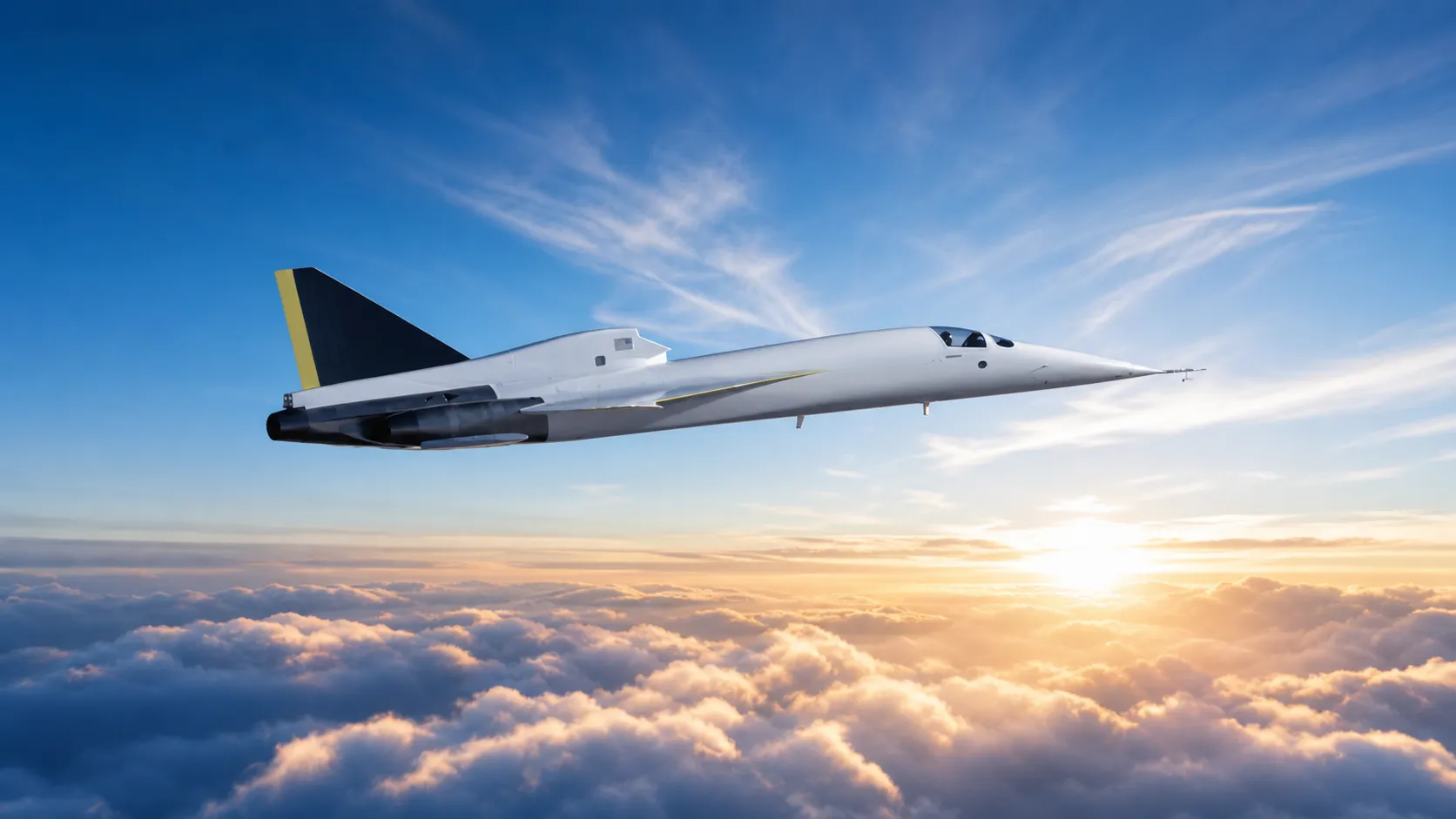
Anyone who has endured an especially long domestic flight across the US may find this development particularly interesting.
The Federal Aviation Administration has proposed a major change that could move the US much closer to a future where coast-to-coast journeys take far less time, but the shift is not yet a finished rule.
On July 2, 2026, the FAA published a notice of proposed rulemaking that would repeal the longstanding prohibition on civil supersonic flight over land and replace it with a performance-based framework focused on noise certification. The agency says the current ban is outdated, given advances in aircraft design and flight techniques that can keep sonic booms from reaching the ground.
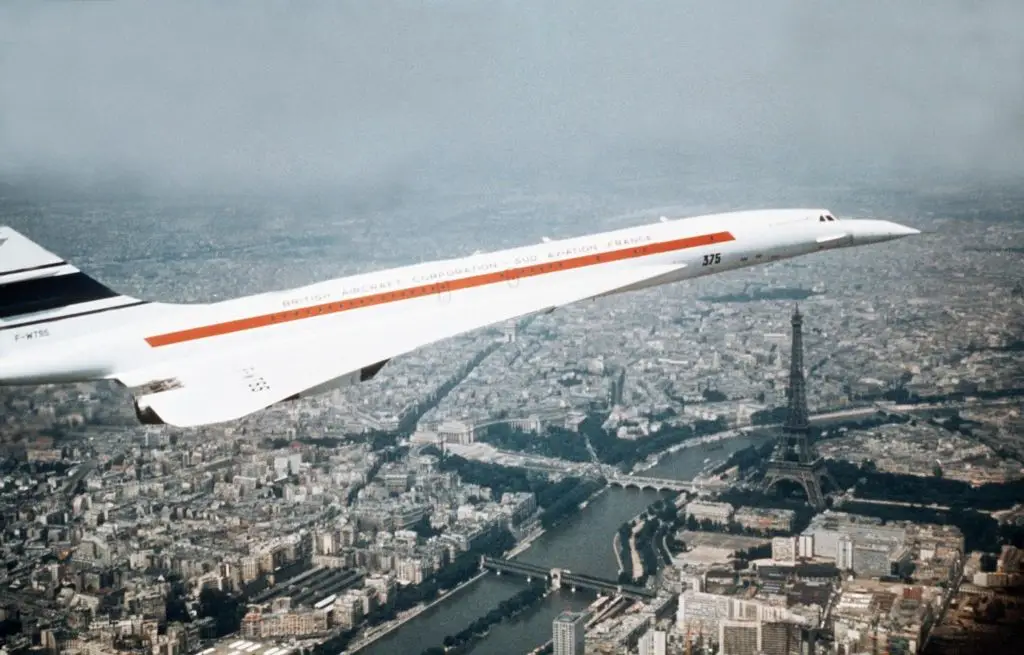
That overland ban has effectively limited commercial supersonic travel in the US since 1973, when regulators responded to public anger over loud sonic booms and concerns about damage such as broken windows and cracked walls. Concorde was also constrained by similar restrictions and was retired in 2003 after failing to generate enough profit from transatlantic service alone.
The proposal follows an executive order signed by President Donald Trump in June 2025 directing the FAA to move ahead with rulemaking to repeal the overland ban and to establish an interim noise-based certification standard. The agency now says it expects to finalize both the overland rule and a second rule covering takeoff and landing noise by mid-2027.
Reports suggest the change could cut travel time between Los Angeles and New York from about six hours to around three, potentially reshaping domestic flying in the US. In practice, though, that would depend on aircraft design, routing, altitude, and whether future planes can meet the new noise standards.
Supersonic aircraft can travel beyond Mach 1, meaning speeds above roughly 770mph. By comparison, most modern commercial planes typically cruise at somewhere between 550mph and 600mph.
FAA Administrator Bryan Bedford said modern progress in aircraft design and aerospace technology could make the once-familiar disruptive boom far less of an issue.
“This means we can ultimately repeal the ban from the 1970s on supersonic flight over U.S. Territory while minimizing noise impacts to residents in communities along the route and near airports,” he said.
The FAA says one way this could work is through a technique called Mach cutoff, in which aircraft design, atmospheric conditions, speed and altitude combine so that the sonic boom bends and refracts back into the atmosphere instead of reaching the ground.
The FAA is also expected to introduce separate standards for takeoff and landing noise later this year, and it has said it is working with NASA, industry and international aviation bodies as it develops the rules.
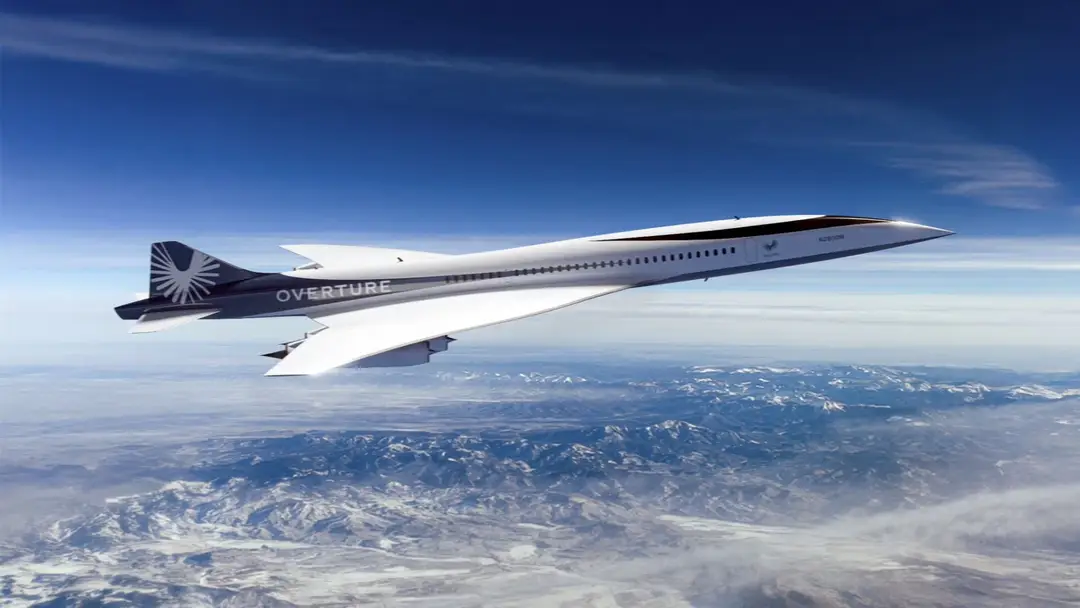
A number of companies are already pushing to revive supersonic passenger travel. Among them is Colorado-based Boom Supersonic, which says it has orders and pre-orders from United Airlines, American Airlines and Japan Airlines for its Overture aircraft, designed to carry around 64 to 80 passengers. Boom has also said its target is to enter service later this decade.
Meanwhile, Atlanta-based Spike Aerospace is pursuing an even more exclusive angle, working on a supersonic private jet aimed at the luxury end of the market.
The latest move comes after an executive order signed by President Donald Trump in June 2025, in which he said the ban on supersonic flights was ‘weakening our global competitiveness.’
The order stated, “Advances in aerospace engineering, materials science, and noise reduction now make supersonic flight not just possible, but safe, sustainable, and commercially viable.”
The change represents a major departure from the thinking that dominated the 1960s, when the Oklahoma City sonic boom experiments led to broken windows, cracked walls and widespread public anger, eventually prompting the 1973 ban.