

Tehran is witnessing an unprecedented display of collective mourning as millions of Iranians pack the nation’s capital for a historic funeral procession. The event, which began Monday, marks the most dramatic gathering of people at two of the city’s largest and most politically symbolic squares at the same moment—a phenomenon that authorities say has never been seen before in the city’s modern history.
The funeral ceremonies are for Ayatollah Ali Khamenei, Iran’s Supreme Leader for more than three decades, who was killed on February 28 at the start of a U.S.-Israeli military campaign against Iran. After lying in state for two days at Tehran’s Grand Mosalla religious complex, Khamenei’s flag-draped coffin began its journey through the capital on Monday, accompanied by what officials described as the largest public gathering in the country’s modern history. Authorities initially estimated that between 15 and 20 million people would attend the week-long ceremonies across multiple Iranian cities and Iraq, potentially making it the largest state funeral in Iran’s history.
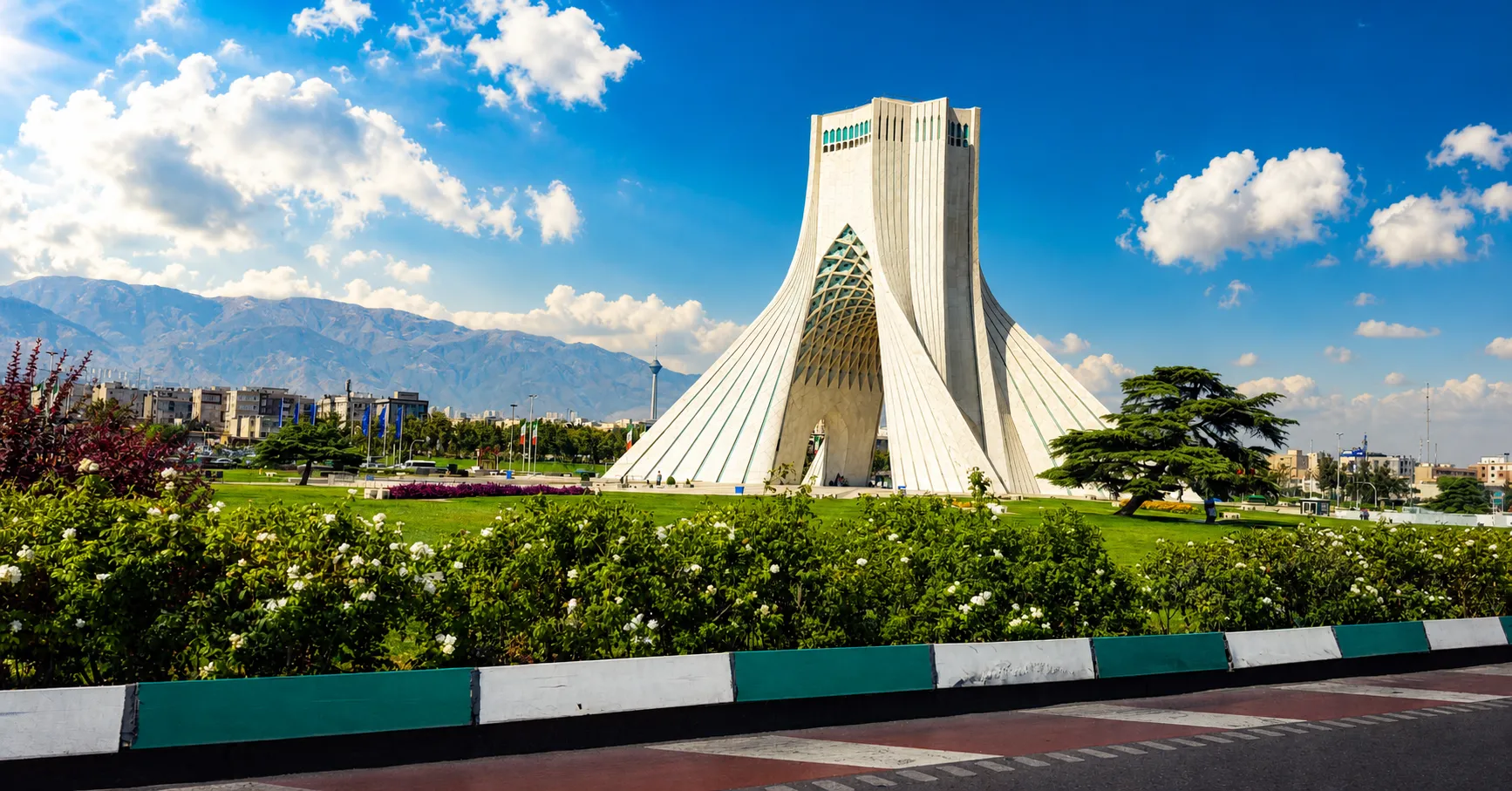
The funeral procession moves through the heart of Tehran, traveling approximately 10 kilometers from Imam Hossein Square to Azadi, or Freedom, Square, after funeral prayers. Both Enghelab Square, also known as Islamic Revolution Square, and Azadi Square have historically served as focal points for Iran’s most significant political moments. The sight of massive crowds simultaneously filling both venues represents an exceptional moment in Tehran’s urban landscape.
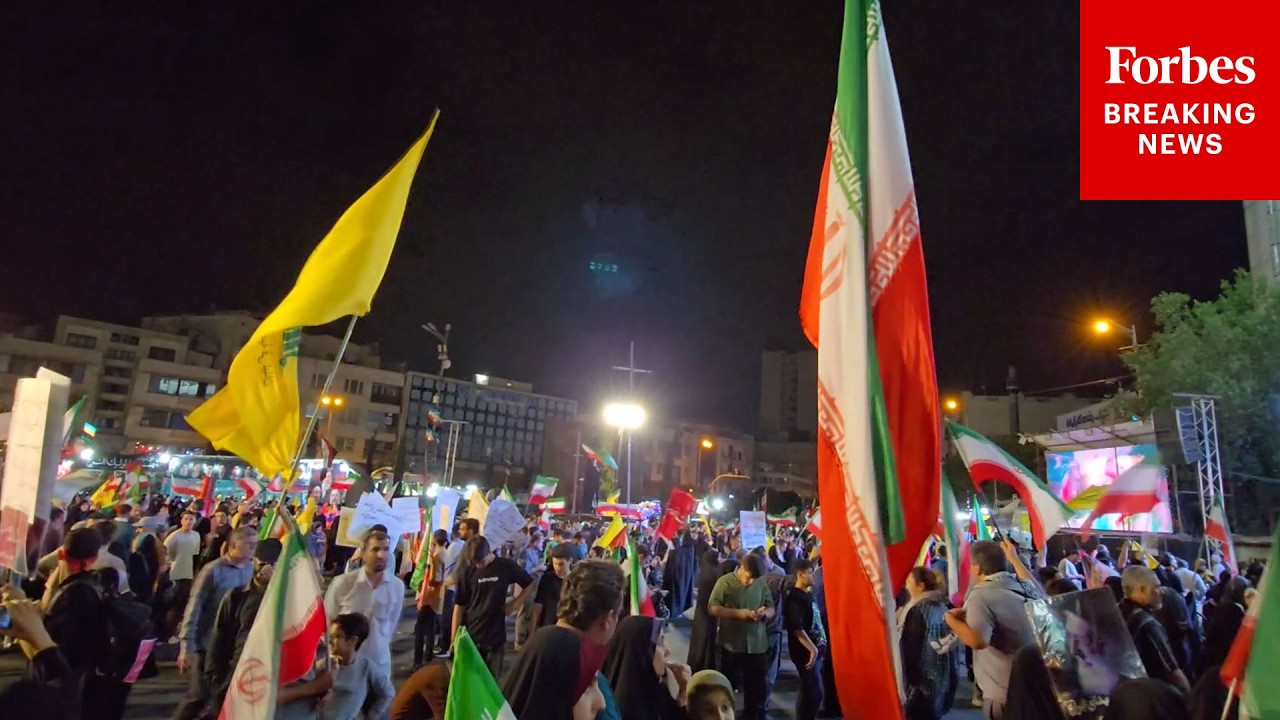
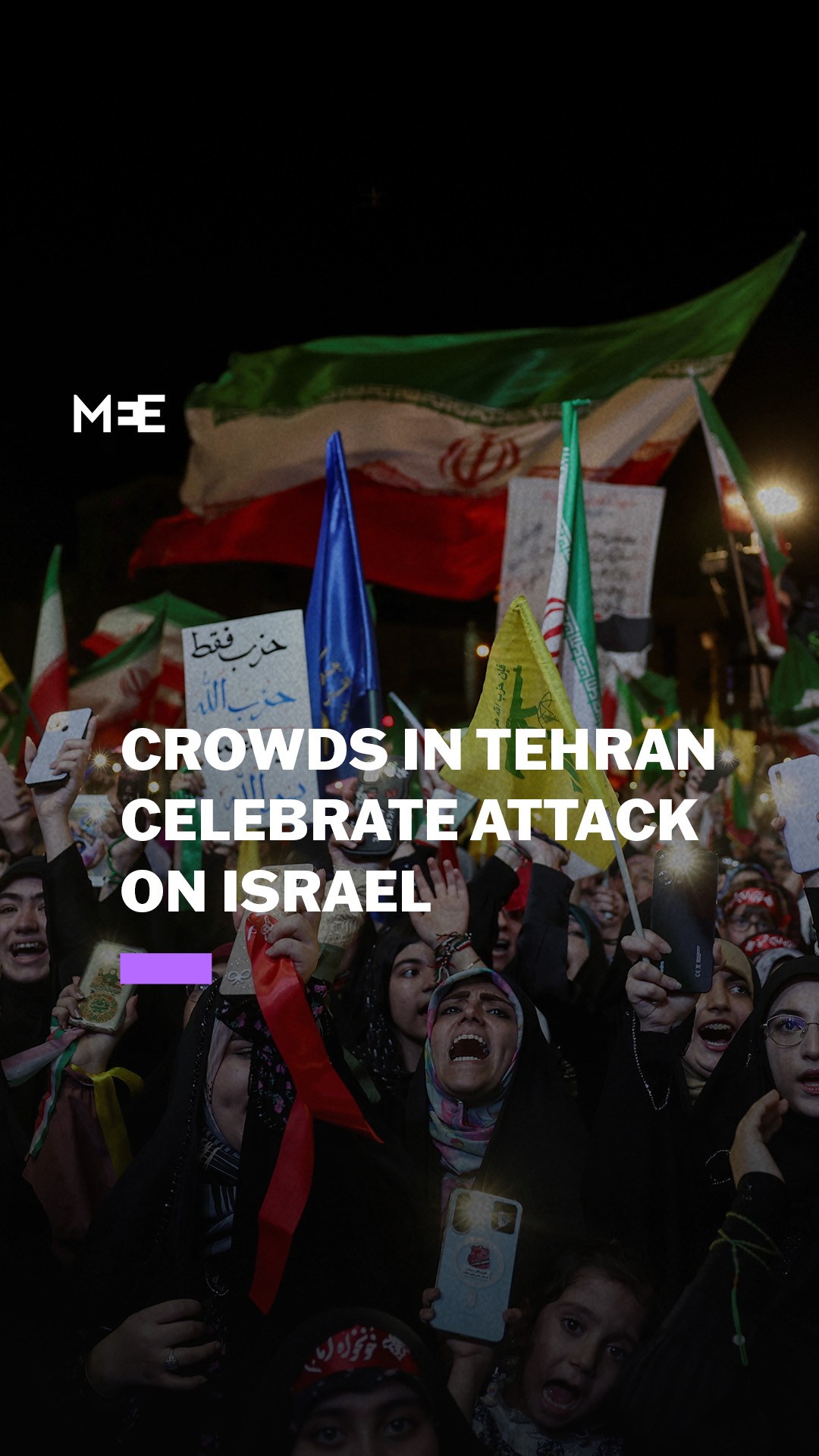
The mood at the ceremonies has been intensely emotional. Mourners dressed largely in black waved Iranian flags and held portraits of Khamenei while chanting slogans including “death to America” and “revenge, revenge.” Many beat their chests rhythmically in the intense summer heat, while women carried bouquets of white flowers and red banners—a symbol associated with calls for vengeance. Security forces fanned out across major squares and junctions, setting up checkpoints and attempting to guide the tightly packed crowds to maintain order.
The scale of the gathering has required extraordinary logistical preparations. Authorities converted highways around Tehran into temporary parking zones, while schools, mosques, universities, and sports halls were opened to accommodate the vast number of visitors. Businesses including the Tehran Grand Bazaar were ordered closed, and streets, airspace, and daily life across the city came to a near standstill. The procession in Tehran alone is expected to last between 10 and 12 hours.
Iranian officials are acutely aware of the risks posed by such massive crowds. They are hoping to avoid a repeat of the chaos that surrounded the 1989 funeral of Khamenei’s predecessor, Ayatollah Ruhollah Khomeini, which drew an estimated 10 million people. That funeral saw crowd surges that killed more than 10 people and injured over 10,000. To prevent such tragedies, massive concrete walls have been erected to separate the public from the coffin, and security personnel have been deployed throughout the capital. Iran also announced the complete closure of airspace over Tehran as a security measure.
The funeral ceremonies began Saturday morning when the coffin was first opened to public viewing at the Grand Mosalla, with thousands gathering despite the oppressive heat to pay their respects to Khamenei and his four family members—his wife, daughter, and other relatives—who were also killed in the Israeli airstrikes on February 28. Flower petals and wreaths covered the area as mourners mourned not only their leader but also the four family members lost in the same attack.
The week-long funeral encompasses more than just Tehran. After Monday’s procession through the capital, similar ceremonies are scheduled for the clerical hub of Qom on Tuesday and the Iraqi holy cities of Najaf and Karbala on Wednesday, culminating in Khamenei’s burial in his hometown of Mashhad in northeastern Iran on Thursday. The inclusion of Iraqi holy sites reflects Khamenei’s role in regional affairs and his support for militant groups including Palestine’s Hamas and Lebanon’s Hezbollah, both of which sent delegations to attend the ceremonies.
The timing of the funeral carries symbolic weight. Analysts note that the ceremonies coincide with the first 10 days of Muharram, a significant period in the Islamic calendar associated with Shia narratives of martyrdom and sacrifice, and with the United States’ Independence Day celebration. This timing frames Khamenei’s death within a narrative of Shia resistance and signals continuity in Iran’s confrontational regional posture.
Notably absent from public view has been Khamenei’s son and successor, Mojtaba Khamenei, who was named Supreme Leader shortly after his father’s killing but has yet to make a public appearance. Officials said he was wounded in the airstrikes, though the severity of his injuries remains unclear. Three of Ali Khamenei’s other sons made a rare public appearance at the funeral, underscoring the unusual nature of his absence.
The funeral ceremonies coincide with a ceasefire in the broader conflict and diplomatic efforts aimed at reaching a lasting peace accord. However, both the United States and Iran have warned they are prepared to resume military action if necessary. Against this backdrop, calls for revenge have been a dominant theme throughout the funeral proceedings, with mourners and officials alike emphasizing the need for accountability for Khamenei’s death.