

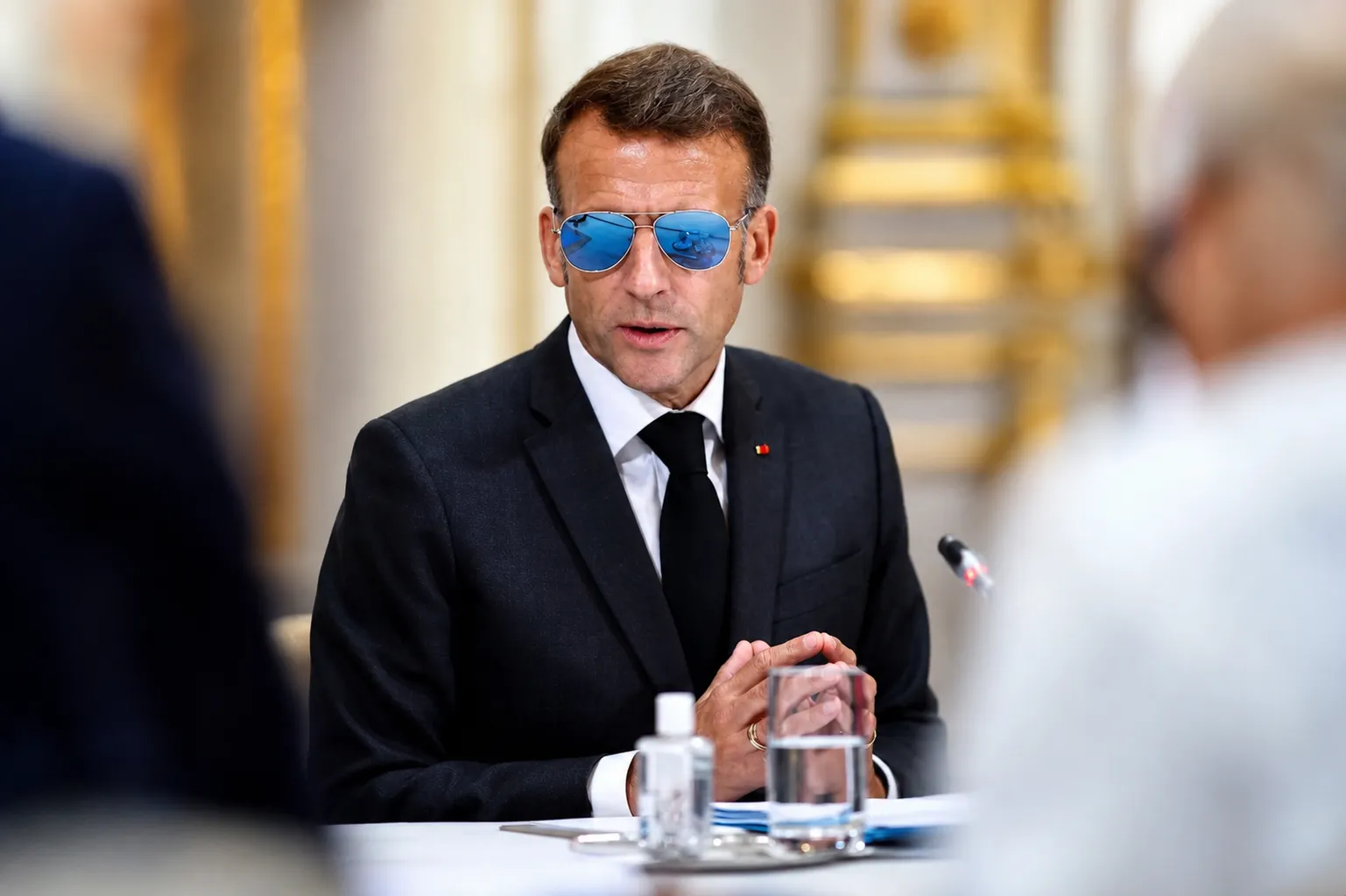
French President Emmanuel Macron will soon visit Syria, making him the first Western leader to arrive in the country since the fall of Bashar al-Assad’s regime in December 2024, Syrian state media announced Sunday.
Syria’s state-run SANA news agency cited al-Sharaa’s office in announcing the expected visit, though no specific date was provided. The timing suggests it could occur around Macron’s attendance at a NATO summit in Ankara, Turkey, scheduled for Tuesday and Wednesday of that week.
Macron will be accompanied by a delegation including investors and representatives from French companies, signaling an intention to expand economic cooperation alongside political engagement. The two leaders are expected to hold a roundtable meeting to discuss bilateral relations and issues of mutual interest.
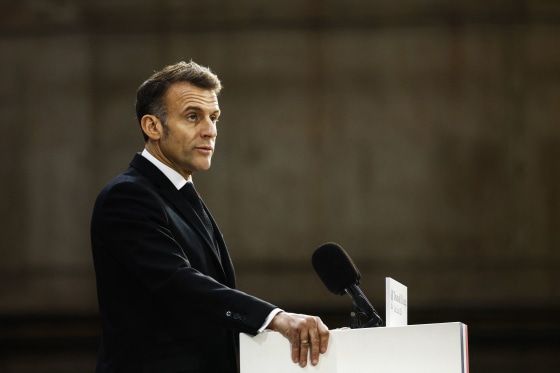
The announcement marks a significant moment in Franco-Syrian relations after years of estrangement. The last French president to visit Damascus was Nicolas Sarkozy in September 2009. Relations deteriorated sharply following Syria’s 2011 civil war, when France closed its embassy and supported tough European Union sanctions against Assad’s government.
While other international figures have visited Damascus since Assad’s ouster, Macron will be the first head of an EU state and prominent Western leader to make the trip. Qatar’s Emir Sheikh Tamim bin Hamad al-Thani was the first foreign head of state to visit, while Ursula von der Leyen, president of the European Commission, visited in January and Ukrainian President Volodymyr Zelensky followed in April. However, none of these held the prominent Western status that a sitting EU president commands.
The visit reflects France’s broader push to normalize relations with Syria’s new government under President Ahmad al-Sharaa. In May 2025, Macron hosted al-Sharaa in Paris and pledged to push the European Union and the United States to lift sanctions that had crippled Syria’s economy. Most of these sanctions have since been removed.
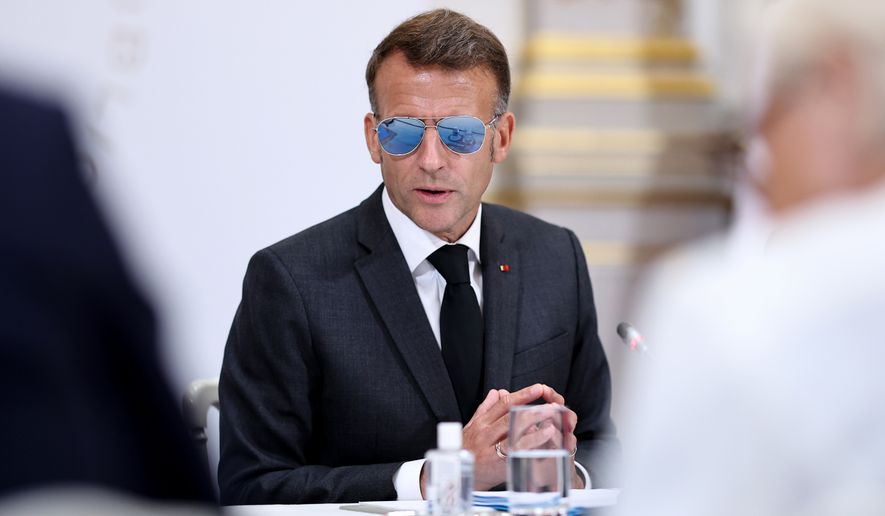
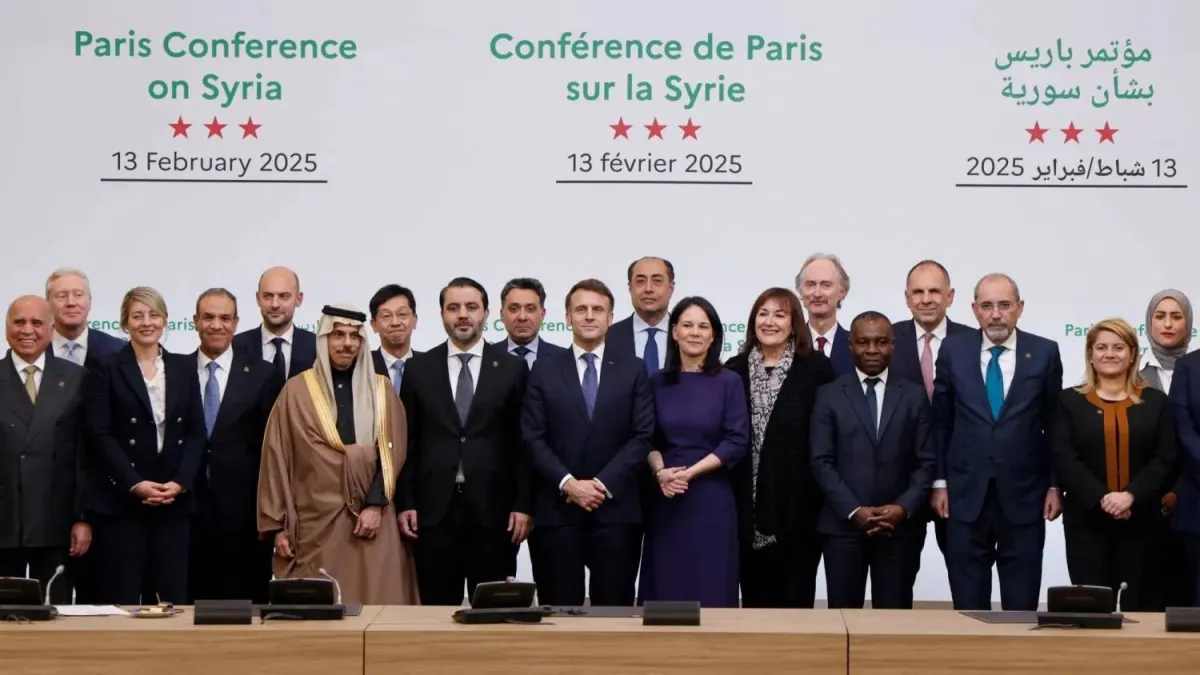
France has positioned itself at the forefront of Western engagement with Syria’s new leadership. In January 2025, French Foreign Minister Jean-Noël Barrot became the first Western foreign minister to visit Damascus, alongside German counterpart Annalena Baerbock. Later that month, Paris successfully lobbied within the EU to lift sanctions imposed on the former Assad regime. In February 2025, France hosted an international economic conference in Paris just weeks after Assad’s ouster to support Syria’s reconstruction.
Al-Sharaa, who leads what was formerly an al-Qaeda-aligned militant group called Hay’at Tahrir al-Sham before transitioning to governance, has been consolidating Syria’s international ties since the Assad regime’s collapse. The new Syrian president emerged from hiding in December 2024 to declare victory after a rapid military offensive toppled a regime that had ruled Syria since 1971. Assad himself fled to Russia.
Syria faces enormous reconstruction challenges after more than thirteen years of civil war that killed hundreds of thousands and displaced millions. The country’s infrastructure lies in ruins, and economists estimate rebuilding costs at more than $250 billion. International investment and sanctions relief are essential to restart the economy and address poverty affecting millions of Syrians.
Macron’s visit underscores France’s determination to influence Syria’s reconstruction and strengthen its diplomatic and economic position in the country. Former French officials have noted that Paris aims to “influence and engage the new leadership while preparing for the country’s reconstruction,” while also maintaining France’s longstanding ties with Syrian Kurds and supporting dialogue between Damascus and Lebanon on border issues.
The timing of the announcement comes amid ongoing security challenges for Syria’s new authorities. A bombing at a Damascus cafe on Thursday killed ten people, highlighting the difficulties facing the interim government as it seeks to reunify the country and establish stability after years of conflict. The visit also occurs as Syria’s parliament was recently appointed, marking another step in the transitional process toward establishing permanent governance structures.
French engagement with Syria represents a broader Western recalibration toward the post-Assad era. After years of viewing Syria as a frozen conflict with no near-term prospects for change, the rapid collapse of Assad’s regime caught many Western capitals by surprise. Now, countries including France are competing for influence and economic opportunity in what they see as a critical moment for shaping Syria’s future direction and regional relationships.