

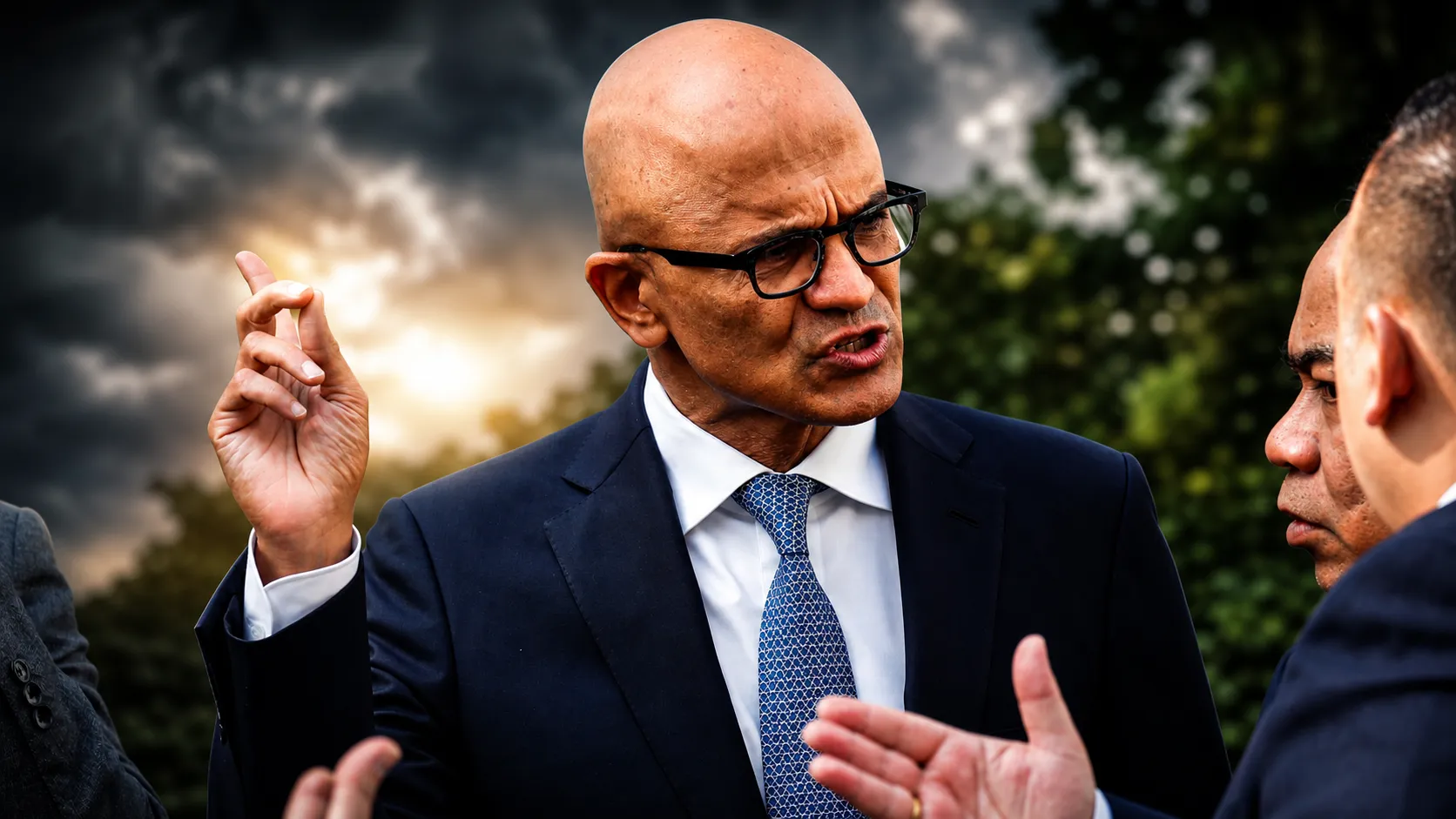
Microsoft is cutting approximately 4,800 jobs, roughly 2.1 percent of its global workforce, the company announced Monday as it pursues what it describes as a massive reset of its gaming division amid mounting pressure to rein in spending and prioritize artificial intelligence investments. The cuts represent the latest wave of layoffs as the technology giant faces intense scrutiny over its record capital expenditures on AI infrastructure.
Two-thirds of the job cuts will fall on Xbox, the company’s struggling gaming division, which will see approximately 3,200 layoffs spread across the remainder of the fiscal year. About 1,600 of those positions will be eliminated immediately, with the remaining reductions coming over the next twelve months as part of what newly appointed Xbox CEO Asha Sharma called the most significant restructuring in the division’s 25-year history.
In a memo to employees Monday morning, Sharma delivered a stark assessment of the gaming business. “Our business today is not healthy,” she wrote, adding that Xbox is operating at profit margins three to ten times lower than comparable gaming and publishing companies. The division has been losing 64 cents on every dollar invested in its game studios, according to financial disclosures included in her message.
The overhaul extends beyond simple headcount reduction. Microsoft announced that four game studios will be spun off or sold to new owners as part of the restructuring. Compulsion Games and Double Fine Productions will become independent studios again, retaining their intellectual property and receiving runway funding from Microsoft to support their next projects. Ninja Theory and Undead Labs have entered agreements to move under new ownership, with funding tied to their upcoming titles Senua and State of Decay 3. Additionally, Arkane Studios is beginning consultations with its works council in France regarding strategic options that could include closure or sale.
Sharma noted in her memo that no previously announced first-party games or projects are being canceled as a result of the staffing reductions. The layoffs will affect nearly every division at Xbox, including Activision, Bethesda, Blizzard, King, Mojang, and Xbox Game Studios, though some areas will face larger cuts than others. The Xbox platform team, which covers hardware, software, services, cloud gaming, and Game Pass, is expected to be hit particularly hard.
Beyond the raw numbers, the restructuring represents a fundamental shift in how Xbox operates. Management will be flattened from as many as fourteen layers to no more than five. Vendor spending across the division will be cut by fifty percent. Helen Chiang, a nearly two-decade Xbox veteran who previously led the Minecraft franchise, has been promoted to the newly created role of chief operating officer with end-to-end financial responsibility across content, hardware, platform, and services.
The Xbox reset follows five years of massive investment that has yielded disappointing returns. According to Sharma’s memo, excluding Activision Blizzard King, Xbox has spent more than twenty billion dollars on ongoing investments in content, platform, and hardware subsidies over the past five years, yet annual revenue has declined nearly half a billion dollars during that time. Hardware sales have plummeted, with revenues declining thirty-three percent year-over-year in recent quarters.
The gaming industry faces what Sharma described as the most severe hardware crisis in its history, a situation exacerbated by rising memory chip prices driven by data center demand for artificial intelligence, which has forced Microsoft and other console makers to raise hardware prices at a time when consumer demand is already soft.
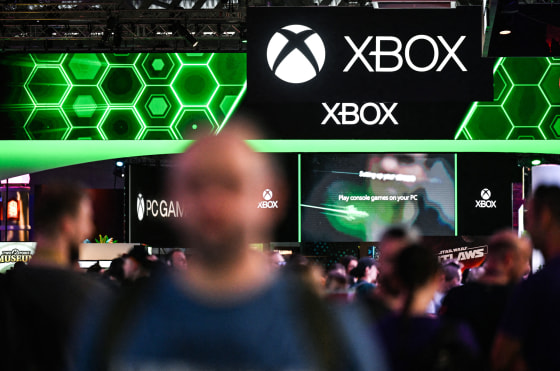
The cuts extend beyond gaming. Microsoft also announced reductions to its commercial division, which focuses on enterprise sales and consulting, as the company grapples with massive AI infrastructure spending. Chief People Officer Amy Coleman said in a memo that the cuts stem from the reality that technology is transforming faster than at any point in the company’s history.
The announcements come as Microsoft shares have plummeted nearly twenty-three percent in the first half of 2026, making the company the worst performer among the mega-cap tech stocks. CEO Satya Nadella has said that the era of Microsoft subsidizing Xbox as a strategic bet on the living room is over, noting that YouTube creators actually earn more money from Xbox games than Microsoft does.
The broader restructuring reflects Microsoft’s aggressive pivot toward artificial intelligence and away from consumer-facing businesses that no longer generate acceptable returns. The company committed to spending $190 billion on capital expenditures in 2026, primarily for AI infrastructure, yet investors have grown increasingly anxious about the company’s ability to monetize those investments quickly enough to justify the spending.
Sharma, who took over as Xbox CEO in February 2026, previously served as president of Microsoft’s CoreAI division and brings a background in user acquisition rather than gaming industry experience. Her appointment surprised many in the industry, as she passed over Phil Spencer’s second-in-command, Sarah Bond. Sharma promised in her initial message to Xbox employees that the company would “return to growth in 2027” and acknowledged that a year-long restructuring would create additional challenges but that it was not possible to make all necessary changes in a single day.
The restructuring marks the second major round of gaming layoffs in as many years. In 2024 and 2025, Microsoft eliminated roughly 1,900 gaming jobs in early 2024 and then slashed approximately 9,000 total roles across the company in subsequent layoff rounds.