

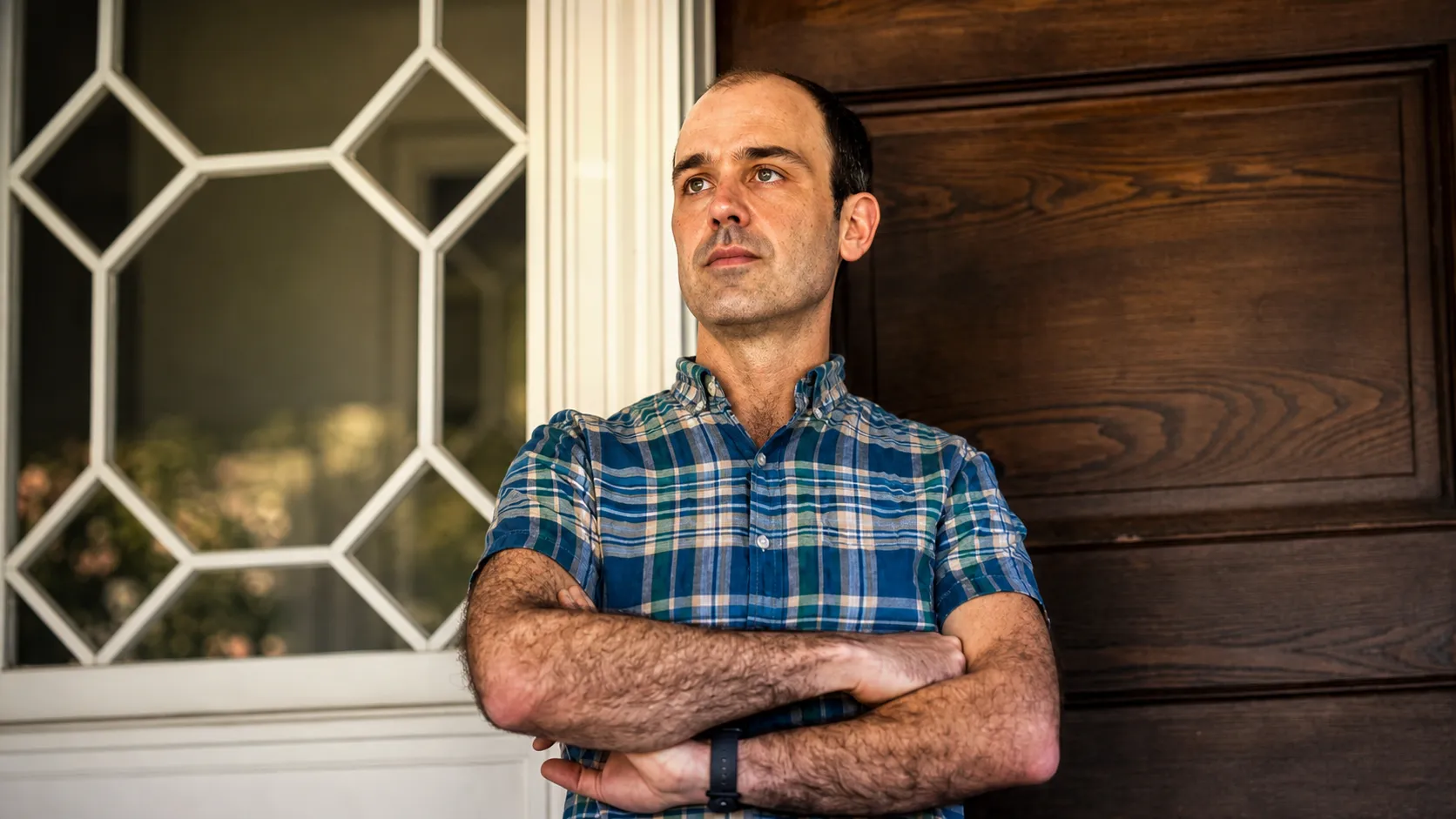
A New York resident is suing the Trump administration and Department of Homeland Security officials after federal agents tracked him down and warned him against sending a critical email to the former head of Immigration and Customs Enforcement five months earlier. David Streever, a U.S. Citizen from Rochester, filed the lawsuit Monday in federal court in Washington, D.C., alleging that federal agents violated his First Amendment rights when they appeared at his home and hotel to deliver a written warning about the email.
The lawsuit, filed by the nonprofit Foundation for Individual Rights and Expression, stems from an email Streever sent on January 26 to Todd Lyons, then the acting director of ICE. That message came just two days after federal immigration officers in Minneapolis fatally shot two U.S. Citizen observers during a controversial immigration enforcement operation in the city. In his three-paragraph email with the subject line “What’s next,” Streever compared Lyons to a Nazi official and wrote that Lyons would “never know peace,” saying his conscience would haunt him for the rest of his life.
The deaths that prompted Streever’s outrage were those of Renée Good, a 37-year-old mother shot by an ICE officer on January 7, and Alex Pretti, a 37-year-old intensive care nurse employed by the Department of Veterans Affairs, who was shot and killed by Customs and Border Protection officers on January 24. Both shootings occurred amid Operation Metro Surge, a large-scale immigration enforcement operation in Minneapolis that drew widespread criticism for aggressive tactics and warrantless arrests.
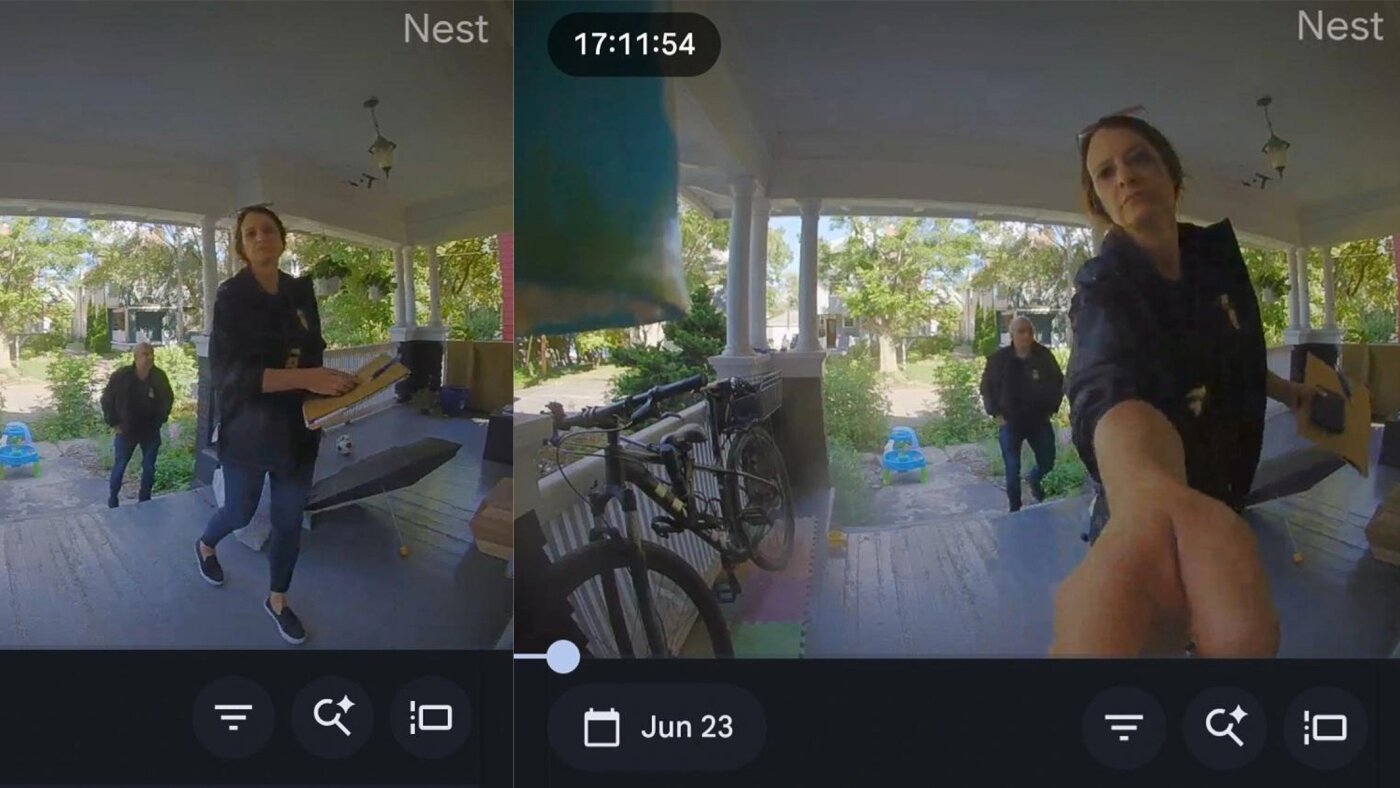
On June 23, while Streever was traveling in Finland with his seven-year-old daughter, two federal agents from Homeland Security Investigations appeared at his Rochester home. His wife, an Episcopal priest, answered the door and received a formal “WARNING NOTICE” from the agents stating that Streever “MAY BE IN VIOLATION OF FEDERAL LAW.” The notice cited federal statutes making it illegal to threaten federal officials and stated that the agency’s Office of Professional Responsibility had identified the email as potentially violating those laws. The warning instructed Streever to “promptly remove and/or discontinue” the email behavior.
The federal action did not end there. Two days later, when Streever and his daughter landed at John F. Kennedy International Airport in New York and checked into a hotel to rest before continuing home, a third federal agent appeared in the hotel lobby looking for him. His wife had not informed authorities of their hotel location, raising questions about surveillance. The agents also made repeated telephone calls to Streever, leaving voicemails that identified themselves only as “Homeland Security Investigations.”
“Like many Americans, I was deeply upset after the shootings in Minnesota and I felt compelled to do something,” Streever said in a statement. “Writing an email to the head of ICE seemed like the least I could do to express my sense of outrage. I never dreamed it would lead to a knock on my door by federal officers or descending on my hotel in the dark of night.”
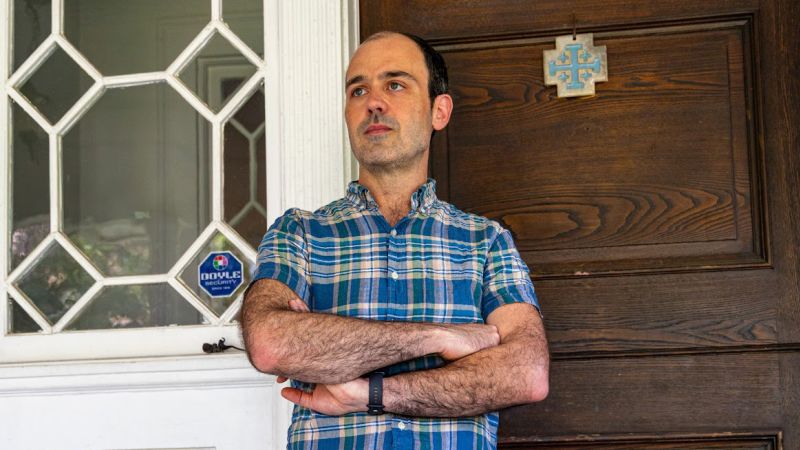
The lawsuit names three federal agents as defendants along with Secretary of Homeland Security Markwayne Mullin and other ICE officials. It argues that the federal agents’ actions caused Streever and his family anxiety and distress, including fear of further retaliation for his email or future criticism of ICE and DHS policies. The suit also contends that the agents’ conduct has caused Streever to self-censor his views.
Adam Steinbaugh, senior attorney at the Foundation for Individual Rights and Expression, challenged the government’s investigation in a statement. “If someone is really threatening a government official, you don’t wait five months to act on it,” he said. “The fact that authorities didn’t respond immediately shows that David presented no threat. This pursuit is designed to intimidate lawful speech, pure and simple.”
The lawsuit asks the court to find that Streever’s email was protected by the First Amendment and to bar defendants from taking further actions to coerce, threaten, or retaliate against him for his protected speech. It also seeks to have the court declare that the warning notices being issued to critics of ICE constitute an attempt to chill protected free expression.
The lawsuit is not isolated. On the same day that agents visited Streever’s home, they also confronted Paigelynne Gonyea, a Syracuse resident who was working as a poll worker during New York’s primary elections, about an Instagram post. An HSI agent called Gonyea while she was working at a polling place, telling her that agents had visited her former apartment and were investigating a post in which she allegedly doxxed an ICE officer. Gonyea later said she had simply posted the officer’s name and called for his indictment, after his name had already been publicly reported by news media. The Department of Homeland Security later claimed she had posted his home address, something Gonyea denied.
The DHS defended its actions in a statement, saying that ICE “investigates all credible threats towards its employees and officers, including threats to the ICE Director” and that “As a matter of policy, we do not comment on any ongoing investigations.” The agency added: “Anyone who assaults or threatens our law enforcement officers will face the consequences.” Homeland Security Secretary Markwayne Mullin’s office released a separate statement saying that allegations DHS was attempting to suppress free speech were “categorically FALSE.”
Streever’s case has become part of a broader debate surrounding the Trump administration’s aggressive immigration enforcement efforts, pitting free-speech arguments against claims by federal law enforcement that their officers face unprecedented threats. The case raises fundamental questions about the line between protected political speech and unlawful threats, and whether federal agencies are using their law enforcement authority to intimidate critics of immigration policies.