


Gwyneth Paltrow and neuroscientist Dr. Andrew Huberman have been talking about retatrutide, an experimental weight-loss drug that could mark a major shift from earlier fat-loss injections.
The subject came up during a recent episode of the Goop Podcast, where the two discussed how newer GLP-1-based treatments may work differently from the first wave of medications that became widely known in wellness and longevity circles.
According to Huberman, older drugs in this category were often very good at suppressing appetite, but that created a downside for many users: they would slash calories so quickly that they risked losing valuable lean tissue along with body fat.
“People would lose a ton of weight, but they would also lose muscle mass,”
That concern is one reason retatrutide is getting so much attention. Rather than acting on just one or two hormone systems, it is classified as a triple agonist. In practice, that means it targets receptors linked to GIP, GLP-1 and glucagon at the same time, all of which are involved in appetite, blood sugar control and metabolic function.
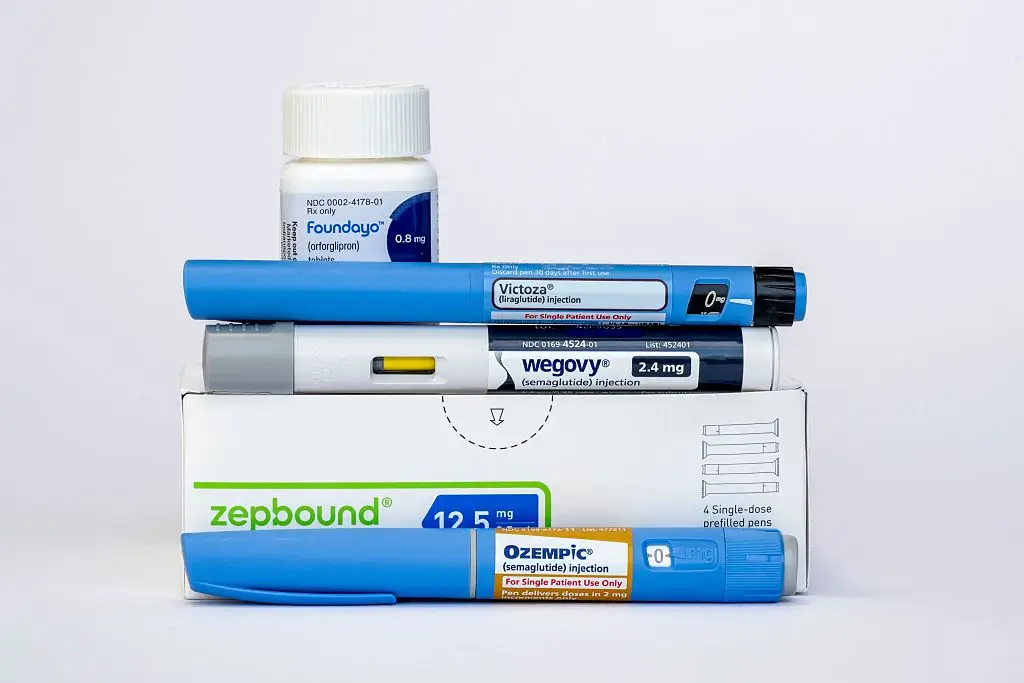
You may also have seen retatrutide referred to as the “Godzilla” jab or “Triple G.” Those labels come from its three-pronged mechanism, which sets it apart from drugs such as Ozempic or Zepbound.
Huberman said retatrutide appears to spread its effects more evenly across several pathways, rather than strongly emphasizing only one.
“a more mild agonist of GLP-1”
He explained that it also boosts glucagon and GIP, working through three separate routes:
“each a bit more subtly”
Because of that broader approach, he said the medication may offer a “lower side effect profile”
At the same time, he suggested it could still produce very large drops in body weight over about a year of use.
One of the most notable claims around retatrutide is that it may preserve more muscle than older treatments did.
“some muscle sparing effect,”
That point is especially important for people concerned with strength, fitness and healthy aging, since muscle loss has been a recurring criticism of earlier weight-loss injections. Researchers and clinicians have increasingly emphasized the need to protect lean mass during rapid weight loss, especially in older adults and in people using incretin-based drugs for long periods.
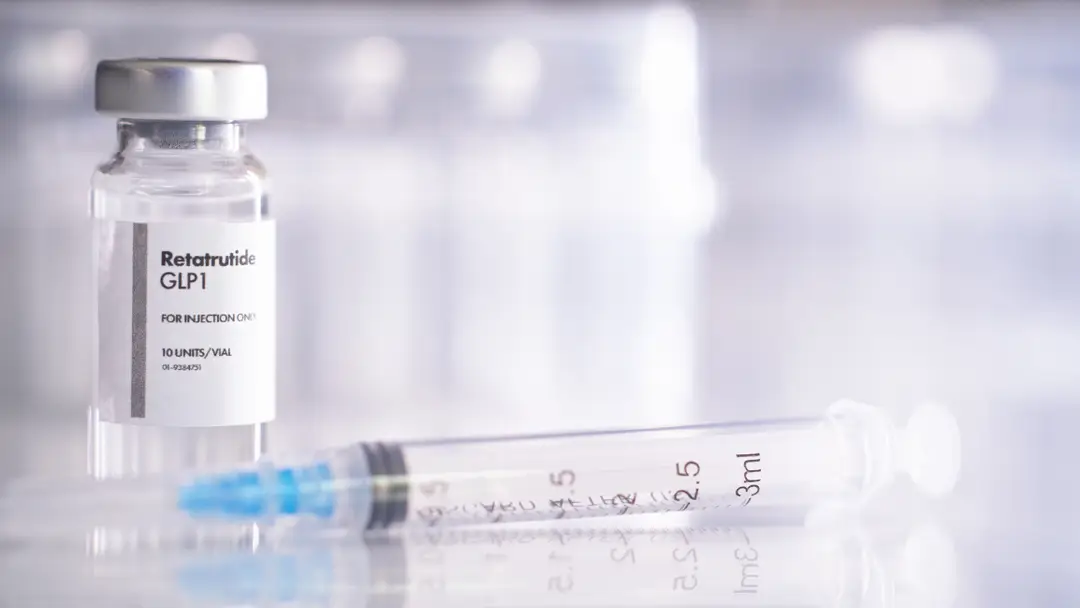
Despite the excitement, retatrutide is not yet approved by the FDA. It remains investigational and is still being studied in Lilly-sponsored clinical trials for obesity, type 2 diabetes and several obesity-related conditions.
In May 2026, Eli Lilly said the drug had delivered major results in its first pivotal Phase 3 obesity study, TRIUMPH-1. At 80 weeks, people taking the 12 mg dose lost an average of 28.3 percent of their body weight, or about 70.3 pounds, and the company also reported meaningful reductions in waist size. Lilly also said that a longer follow-up extension showed even greater average weight loss at 104 weeks in the maintenance phase.
Other retatrutide Phase 3 studies are ongoing, including trials in people with type 2 diabetes, obesity with cardiovascular disease, knee osteoarthritis, obstructive sleep apnea, chronic low back pain and metabolic dysfunction-associated steatotic liver disease.
That means the drug still has a long road ahead before it could reach pharmacies. Even with the encouraging data, Lilly would still need to submit the medicine for regulatory review and win approval before it could be sold commercially.
Meanwhile, demand has already spilled into unofficial channels, including compounders and online peptide sellers marketing products to people who do not want to wait for a licensed version.
Eli Lilly has pushed back strongly on that market, warning consumers that the drug should not be purchased outside regulated research settings.
“Retatrutide is an investigational medicine, available only in Lilly’s clinical trials. It has not been approved by any regulator, anywhere. No one can legally sell it for human use. ‘Research use only’, counterfeit, and black market medicines are untested, unregulated and potentially dangerous.”
Huberman made a similar point on the podcast, saying that purity claims from unofficial online suppliers should not be taken at face value.
“They can say 99% purity, but that 1% means there could be some LPS,”
He was referring to lipopolysaccharides, bacterial toxins that may trigger inflammatory responses.
“LPS will cause inflammation. One injection isn’t gonna do it, but multiple injections over time, I could see where that could become problematic.”
Paltrow also raised concerns, comparing the current peptide boom to a much less regulated era of the supplement business.
“where there’s really no third-party testing and it’s kind of word of mouth.”

Both agreed that anyone thinking about these kinds of treatments should avoid unverified sellers and speak with a qualified doctor before taking anything.
So far, the clinical results have attracted serious attention. Lilly’s phase 2 trial, published in the New England Journal of Medicine, found retatrutide produced up to 17.5 percent mean weight reduction at 24 weeks in adults with obesity and overweight, while later Phase 3 results have suggested the drug could produce weight loss on a scale rarely seen with medication.
Among the most recent Phase 3 data, participants on the 12 mg dose also achieved substantial reductions in BMI and waist circumference, and a notable share reached weight-loss thresholds associated with major metabolic benefits.
Like other drugs in this area, retatrutide is not free of side effects. Reported issues include nausea, vomiting, diarrhoea and constipation, and Lilly has also reported dose-related events such as dysesthesia and urinary tract infections in Phase 3 testing.