

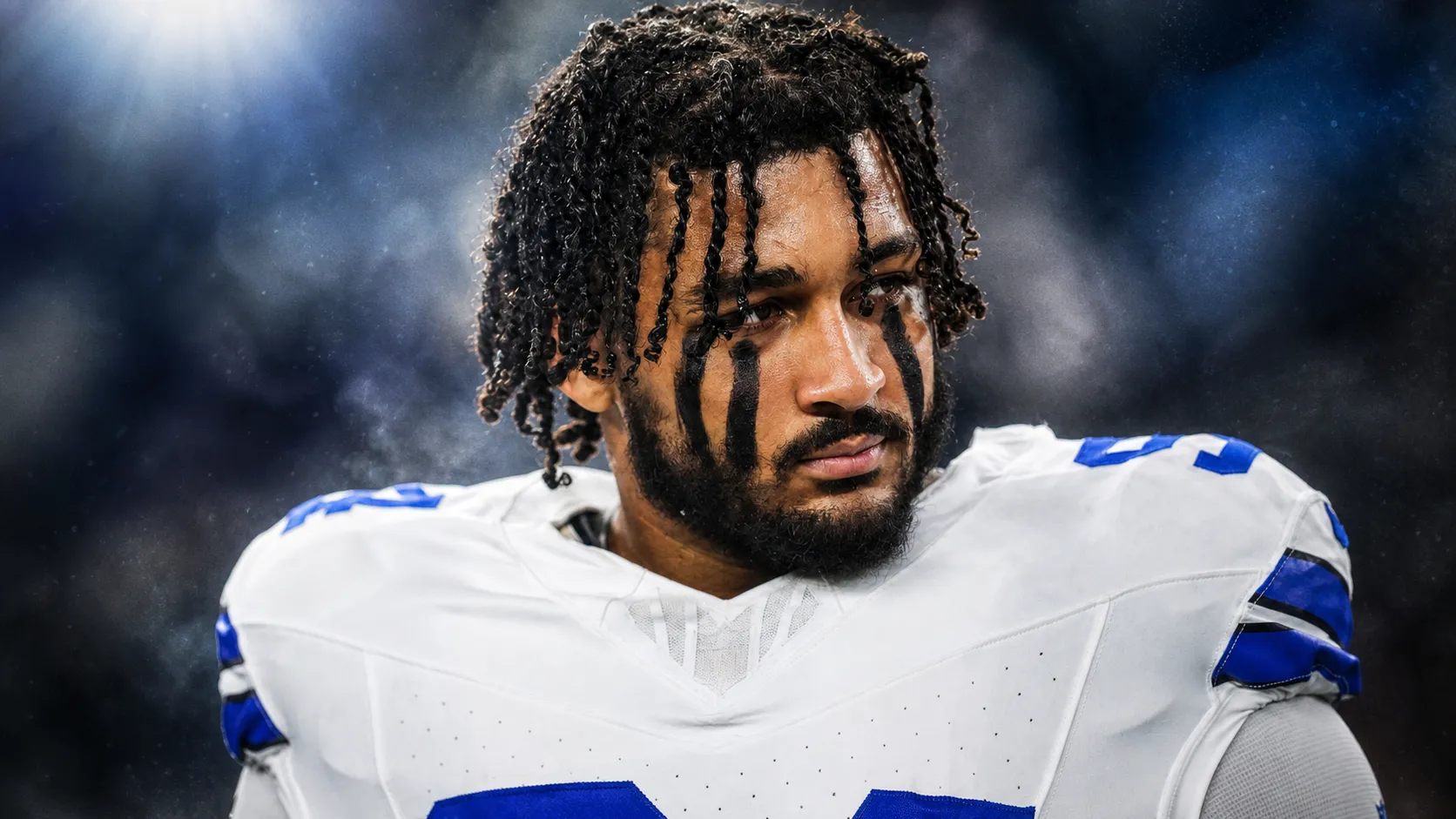
Former Dallas Cowboys defensive end Marshawn Kneeland, who died by suicide in November 2025 at age 24, has been posthumously diagnosed with stage 1 chronic traumatic encephalopathy, according to findings released this week by the Concussion and CTE Foundation.
Researchers at the Boston University CTE Center conducted a post-mortem brain tissue analysis and diagnosed Kneeland with the early stage of the degenerative brain disease, which is linked to repeated traumatic brain injuries including concussions and non-concussive impacts. The disease can only be definitively diagnosed after death through examination of brain tissue.
Kneeland was a second-round draft pick by the Cowboys in 2024 out of Western Michigan University, where he had played since 2019. He appeared in 18 combined games over his two NFL seasons. He had a promising start to his second year with the team, recording his first NFL touchdown on a blocked punt return in a Monday night game against the Arizona Cardinals just days before his death.
His family chose to release the results of the post-mortem analysis through the foundation to raise awareness about what athletes in high-contact sports may be experiencing. “While this diagnosis does not change the tragedy of his passing, it provides important context about some of the struggles he may have been facing,” the family said in a statement, adding that “we share this information to help people understand what NFL and other high-contact sport athletes might be struggling with.”
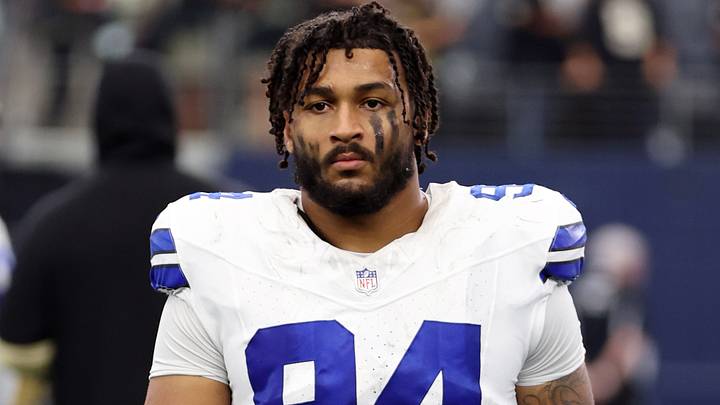
The foundation emphasized an important distinction in its statement: “A post-mortem CTE diagnosis should not be considered the cause of a suicide and is not known to be a risk factor for suicide.”
Dr. Ann McKee, director of the Boston University CTE Center, noted that Kneeland’s diagnosis was not surprising given what researchers have found in young athletes. “We have found this progressive brain disease in nearly half of the athletes we’ve studied who have died before the age of 30,” she said. CTE is staged from 1 to 4, with stage 1 being the earliest form. According to medical literature, stage 1 symptoms can include short-term memory problems, depression, aggressive tendencies, and executive function issues.
Kneeland’s death came after a police pursuit in the Dallas suburb of Frisco on November 5-6. Texas state troopers attempted to stop his vehicle for a traffic violation, and after authorities lost sight of the car, they found it crashed on Dallas Parkway. Kneeland fled on foot, and during the search, officers were informed that he had expressed suicidal ideations and that people who knew him had received text messages from him saying goodbye. He was found deceased at approximately 1:30 a.m. From what authorities determined to be a self-inflicted gunshot wound.
The Collin County Medical Examiner’s Office officially ruled the death a suicide.
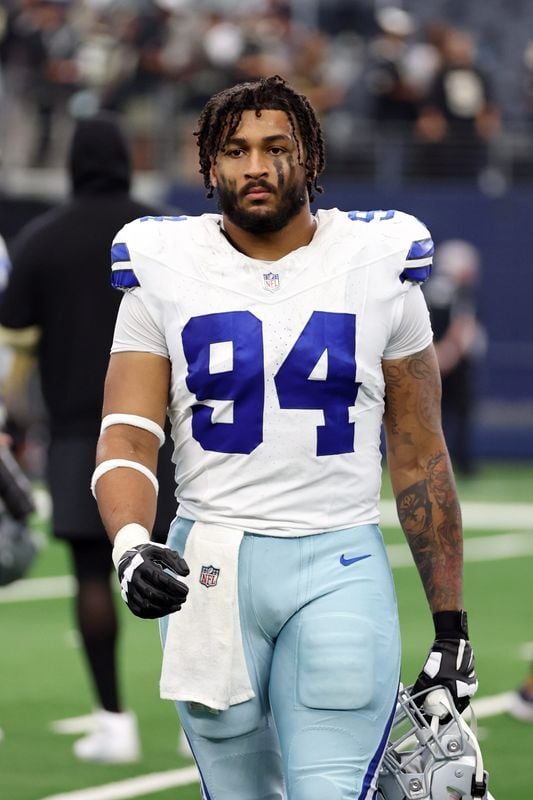
Before joining the NFL, Kneeland had been playing tackle football since age 7. His high school athletic credentials were impressive: as a senior at Godwin Heights High School in Wyoming, Michigan, he recorded 110 tackles and 8 sacks on defense while also making 20 receptions for 330 yards and five touchdowns on offense. At Western Michigan, he compiled 149 tackles and 12.5 sacks across his college career and was named a second-team All-MAC selection in 2023.
Kneeland faced significant personal challenges before his NFL career began. His mother, Wendy Kneeland, died unexpectedly in February 2024, just two months before he was drafted. He carried her ashes in a small necklace, which he wore constantly after joining the Cowboys as a tangible connection to her and her influence on his life. In an interview, Kneeland spoke about her death: “She helped me a lot in my younger years getting into football. I always had the dream. I always told her, ‘I’m going to the NFL’ and I made it.”
His girlfriend, Catalina Mancera, was pregnant with their son at the time of his death, and gave birth to the child in June 2026.
Dr. Chris Nowinski, CEO of the Concussion and CTE Foundation, used Kneeland’s case to highlight ongoing concerns about head injury risks in football even with modern safety measures. “Kneeland played in the modern era of concussion protocols and better helmets, and yet he still developed CTE,” Nowinski said. “We have no reason to believe the current generation is at a lower risk of CTE than previous generations. Concussion protocols do not prevent CTE, because CTE is caused by repeated head impacts, not just concussions.”
Nowinski called for implementing CTE prevention protocols and aggressively reducing the number and strength of head impacts at every level of the game. “If we want to reduce CTE risk, we must implement CTE prevention protocols and aggressively reduce the number and strength of head impacts at every level of the game,” he said.
The Cowboys organization mourned Kneeland’s loss as a beloved member of the team. The organization announced that it had established a memorial fund for Mancera and Kneeland’s unborn child. Quarterback Dak Prescott spoke publicly about the tragedy, noting his own experience with mental health struggles and the loss of his brother to suicide in 2020. “I hurt for Marshawn, I hurt for his family, I hurt for his girlfriend and I hurt for every single one of my teammates. This is a pain you don’t wish upon anybody,” Prescott said.
Western Michigan football coach Lance Taylor also released a statement honoring Kneeland: “Marshawn was so much more than an incredible football player. He was a remarkable young man who meant so much to our program and to me personally. His leadership, energy, and smile were infectious, and he left a lasting impact on everyone in our program.”
For anyone struggling with suicidal thoughts or mental health issues, the National Suicide Prevention Lifeline is available 24/7 at 988.