

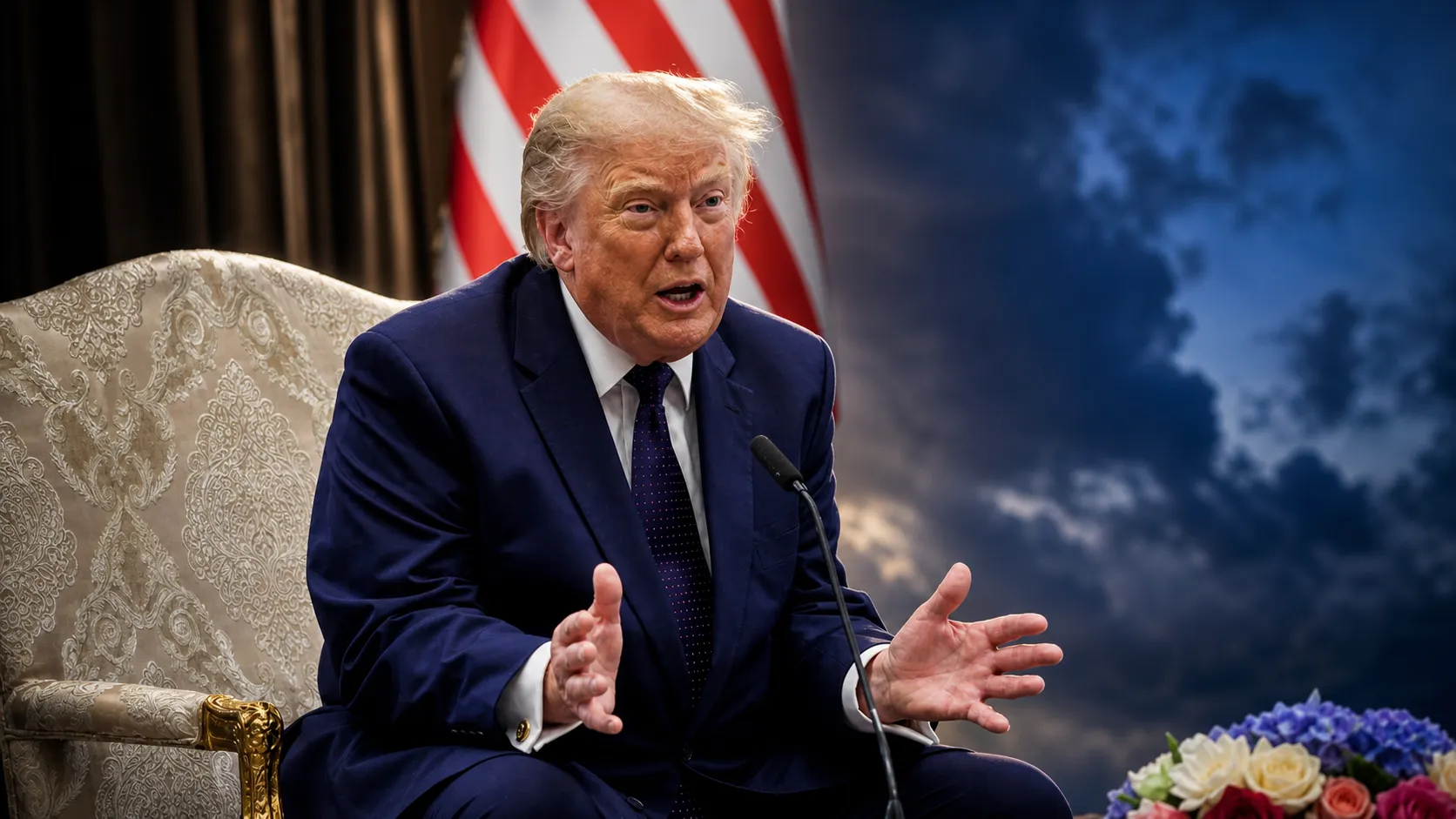
Donald Trump has opened the NATO summit in Ankara with a blunt message to Europe, warning allies that US support cannot be taken for granted as divisions inside the alliance continue to grow.
The US president arrived in Ankara on Tuesday for the two-day summit and immediately signalled that Washington’s willingness to back European partners was being affected by how those governments had handled immigration and energy policy.
The remarks come as NATO leaders try to keep the alliance focused on defence spending, military production and support for Ukraine after a turbulent year marked by renewed tensions over Iran and continuing arguments over burden-sharing.
European leaders, including Keir Starmer, had hoped the gathering would avoid the kind of public confrontations seen at earlier summits, especially on the issue of military spending. Trump is expected to press allies, among them the UK, over whether they can meet the target of allocating 3.5% of GDP to core defence by 2035, part of the broader 5% defence-and-security pledge agreed by NATO leaders at last year’s summit in The Hague.
Several NATO governments have already begun drawing up roadmaps for the target, while the alliance is also showcasing new industrial and procurement initiatives in Ankara aimed at speeding up weapons production and strengthening Europe’s ability to defend itself with less reliance on the United States.
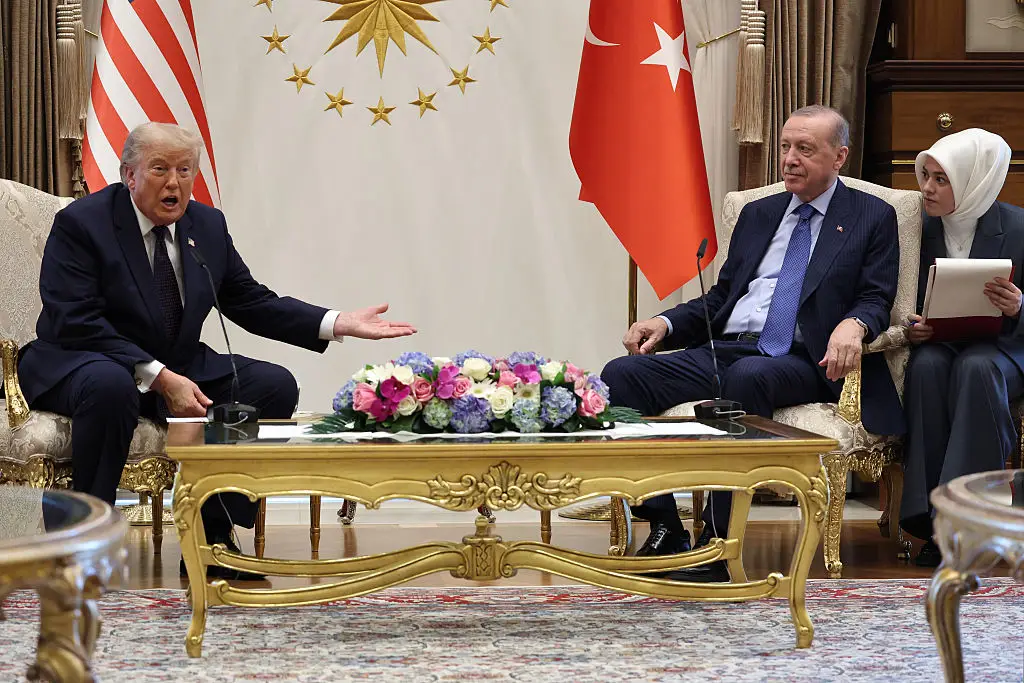
His strongest comments focused on the possibility of reducing the American military footprint in Europe.
Trump said the US no longer had an obligation to keep spending heavily on a continent he argued had fundamentally changed.
“We don’t have to spend any money; we could remove all of our soldiers out of Europe because, as you probably noticed, Europe’s a very different place than it was 20 years ago,” he said.
“They better be careful with immigration and energy. If they’re not careful with those two things, you’re not going to have a Europe any more.”
Trump has previously discussed with advisers the option of scaling back US forces in Europe, and his latest remarks have renewed concern among allies already uneasy about the long-term reliability of the American security guarantee.
He also criticised Starmer, arguing that the decision to remain outside the conflict with Iran had played a role in his political problems, even though that position had attracted strong support from the British public at the time.
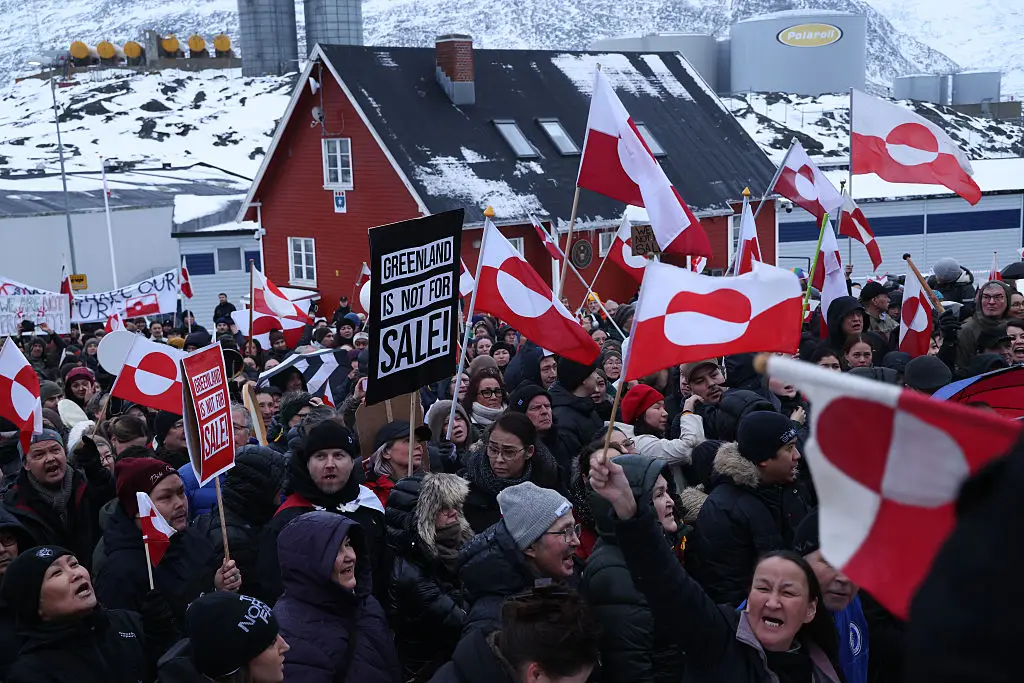
Trump also returned to his long-running demand that the US should control Greenland, which is part of Denmark, another NATO country. He suggested the dispute had further strained America’s relationship with its allies.
“It’s an important part for the US, and it’s surrounded by China ships and Russian ships. It should be controlled by the US, not by Denmark,” he said.
Rachel Reeves rejected that argument when speaking to reporters.
“The future of Greenland is up to the people of Greenland and of Denmark, and not up to the US president. I’ve been very clear about that ever since it was first suggested.”
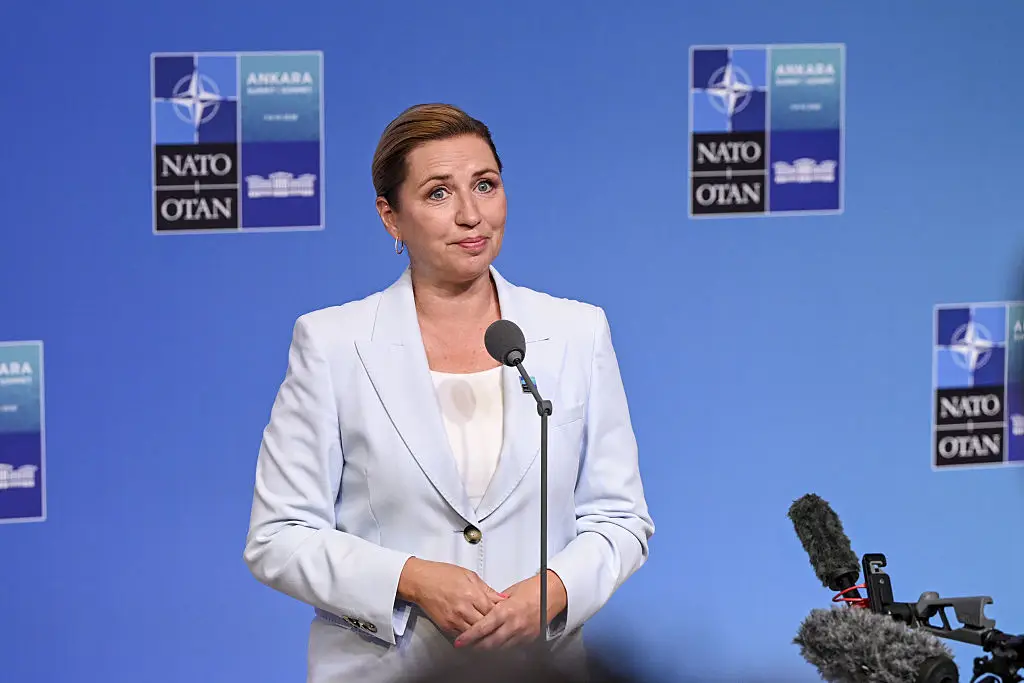
Denmark’s Prime Minister Mette Frederiksen also pushed back strongly against Trump’s renewed proposal.
“Greenland is of course not for sale”.
“We hope that all, including all allies, will respect the Greenland people’s right for self-determination,” Ms Frederiksen said ahead of the summit in Ankara. “We are sovereign states and we need everybody to respect our territorial integrity and our sovereignty.”
Iceland’s Prime Minister, Kristrun Frostadottir, echoed that view and urged NATO members to remain focused on common security threats.
“belongs to the people of Greenland”
“We have threats coming from outside the alliance,” Ms Frostadottir said. “Russia is their biggest threat when it comes to these NATO allies. We need to focus on us and how we stick together.”
Amid continuing doubts over how firmly the US remains tied to Europe’s defence, the UK is preparing to spearhead a £37 billion programme to build a long-range missile designed to hit targets far behind Russian lines, in partnership with France, Germany and the Baltic states.
The wider mood in Ankara is one of heightened concern but also urgency, with leaders hoping to avoid a public rupture while still persuading Washington that a stronger European defence effort can help keep the alliance intact.