

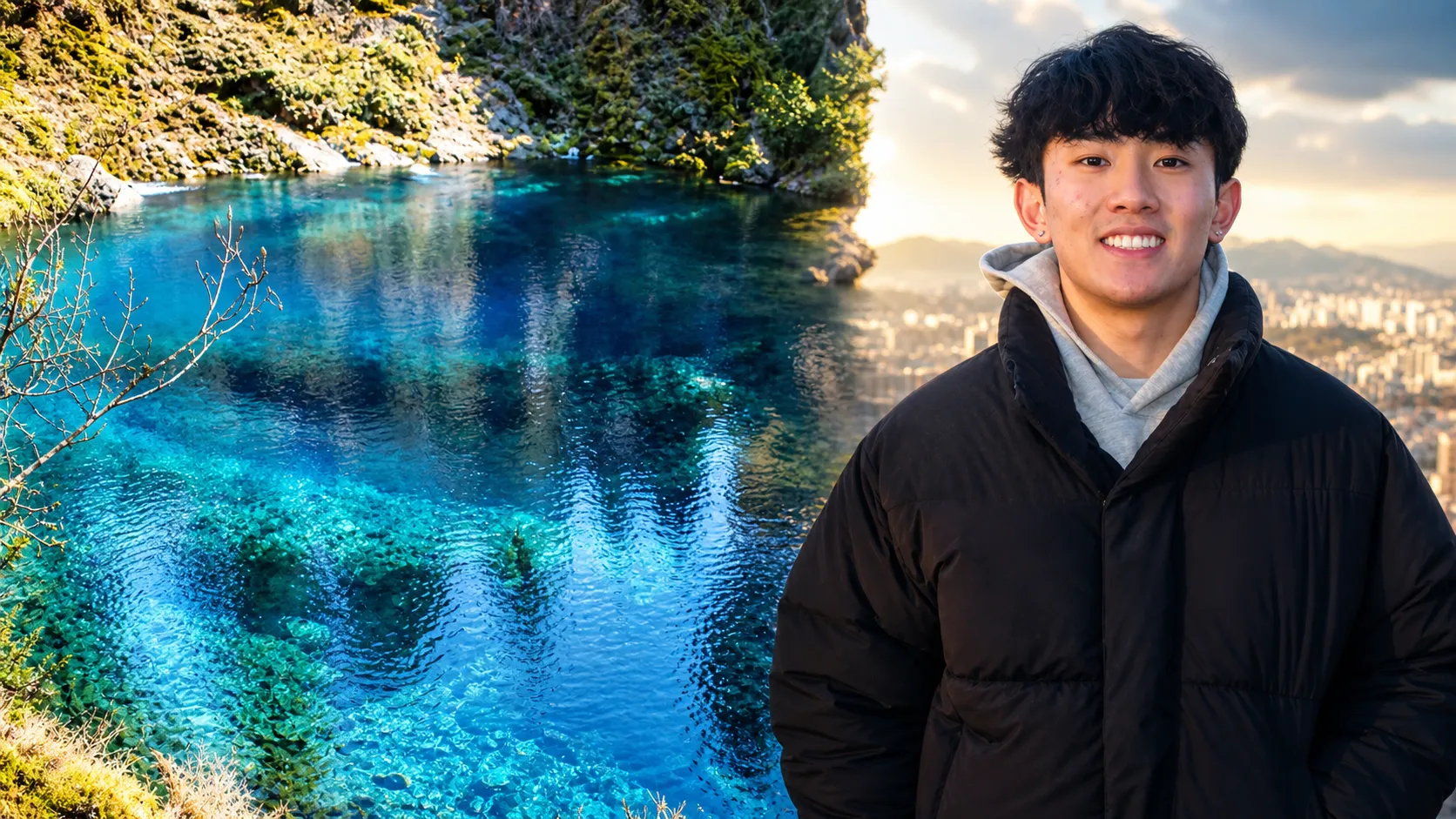
The body of water is almost impossibly blue, the kind of color that seems unreal when you first glimpse it. Towering cliffs frame the pool, and on warm summer days, the water appears inviting—a perfect place to cool off after a long hike. But beneath the surface beauty of Oregon’s Blue Pool lies one of the most dangerous swimming holes in the United States, a place where multiple deaths have occurred despite years of warnings and visible danger signs.
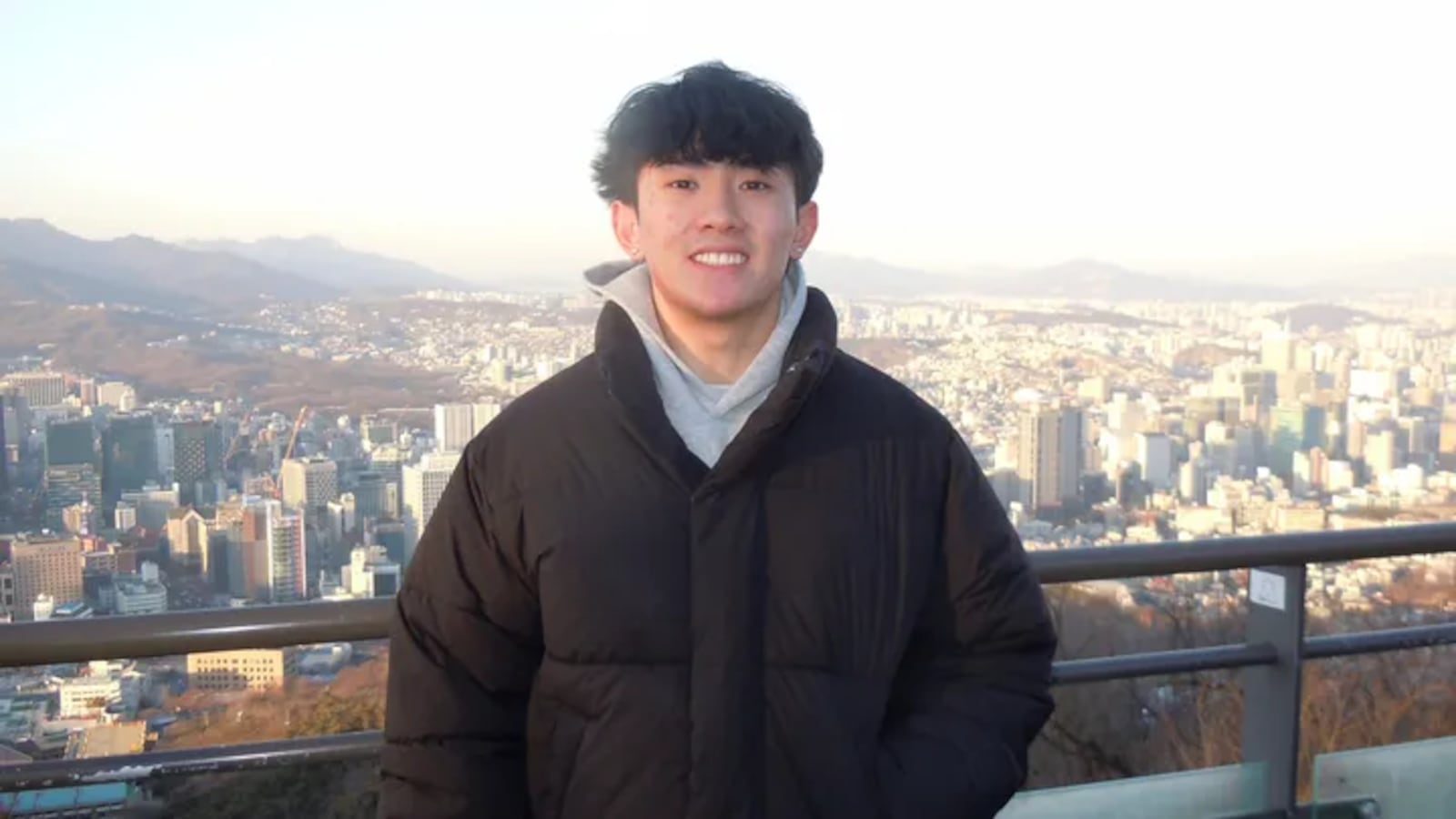
In June 2026, Kenny Truong, a 21-year-old college student from Kansas, became the latest victim. The Wichita State University finance major jumped into the water at Tamolitch Falls, also known as Blue Pool, and was unable to get out. Witnesses reported him struggling to swim toward shore before he disappeared beneath the surface. Despite rescue efforts, he could not be revived. The tragedy follows a pattern that repeats across the country at numerous picturesque locations—places where extraordinary natural beauty masks extraordinary danger.
The immediate culprit at Blue Pool is the water temperature. The pool averages just 37 degrees Fahrenheit, comparable to the coldest ocean water. When a person plunges into water this cold, their body experiences what experts call cold shock response, a series of involuntary physiological reactions that can prove fatal within seconds. The shock causes gasping, rapid breathing, and panic before a person has time to think. Even strong swimmers find themselves unable to control their movements or breathing.
“Once someone enters that water, the cold can take over in seconds,” according to those familiar with the location’s dangers. Cold water below 70 degrees can trigger this response, and the effect is the same whether the water is 37 degrees or slightly warmer—it can kill in minutes rather than the hours it takes for hypothermia to develop. The physiological response includes dramatic changes in heart rate and blood pressure, involuntary gasping that can cause water inhalation, and loss of muscular control that makes self-rescue impossible.
Blue Pool’s previous fatalities illustrate its track record. In 2013, University of Oregon tennis player Alex Rovello drowned after a diving accident. In 2015, Joel Jesse Martin, 52, of Bend, fell nearly 45 feet near the pool while taking photos. The cliffs surrounding the pool range from 10 to 60 feet high, and visitors regularly jump from them despite the risks. The pool itself is 30 feet deep at its deepest point, but this clarity of water creates an illusion—visitors often underestimate both the depth and the hazards beneath the surface.
The geography compounds the danger. The actual Blue Pool swimming spot is about 4 miles down a remote trail with minimal to zero cell phone reception. When something goes wrong, it can take several hours for emergency responders to reach a hospital from the site. The remote location means that help, when it finally arrives, may be too late.
Yet people continue to visit, and continue to jump. This pattern repeats across the country at Devil’s Pool in Philadelphia, where warnings and no-swimming signs are routinely ignored. Popular swimming holes gain notoriety through social media, with Instagram and TikTok amplifying their appeal. Beautiful locations are shared millions of times online, sparking an irresistible urge in viewers to visit and recreate those perfect shots. The more photogenic the location, the more people it attracts, and the more inexperienced swimmers attempt dangerous activities they’re not prepared for.
The appeal is powerful. These swimming holes offer something that crowded public pools cannot—a sense of discovery, adventure, and natural beauty. They promise an escape from urban life, a hidden gem experience. For many visitors, especially young adults, the thrill and the photograph become the primary draw. Research shows that social media reels of influencers at beautiful locations encourage more people to seek out secluded waterfalls and pools, often without understanding the specific hazards they face.
The psychology of risk-taking plays a crucial role. Most serious outdoor accidents don’t result from a single bad decision but from a sequence of small ones. A hiker might underestimate distance, ignore weather warnings, press forward despite fatigue, and finally make one last poor choice that leads to disaster. Visitors to dangerous swimming holes often make similar chains of decisions: ignoring warning signs, trusting their swimming ability without understanding cold shock, jumping without testing the water, visiting during off-peak hours when fewer people are around to help.
Authorities have responded with warnings, signs, and in some cases, trail closures and enforcement. The U.S. Forest Service has even approved projects to add infrastructure and restrict access to Blue Pool. Yet these measures rarely work. People ignore signs. They find ways around closures. They trust their own judgment over official warnings, convinced that they’ll be fine, that nothing bad will happen to them.
The tragedy is that these beautiful places offer legitimate reasons to visit and explore. Swimming in natural pools can be safe with proper precautions, preparation, and respect for the water. But for visitors unprepared for the specific dangers—particularly the invisible threat of cold shock in strikingly blue water—a moment of joy can become a moment of disaster. Until visitors understand that beauty and danger often coexist in nature, that warnings exist because people have already died, deaths at these locations will likely continue.