

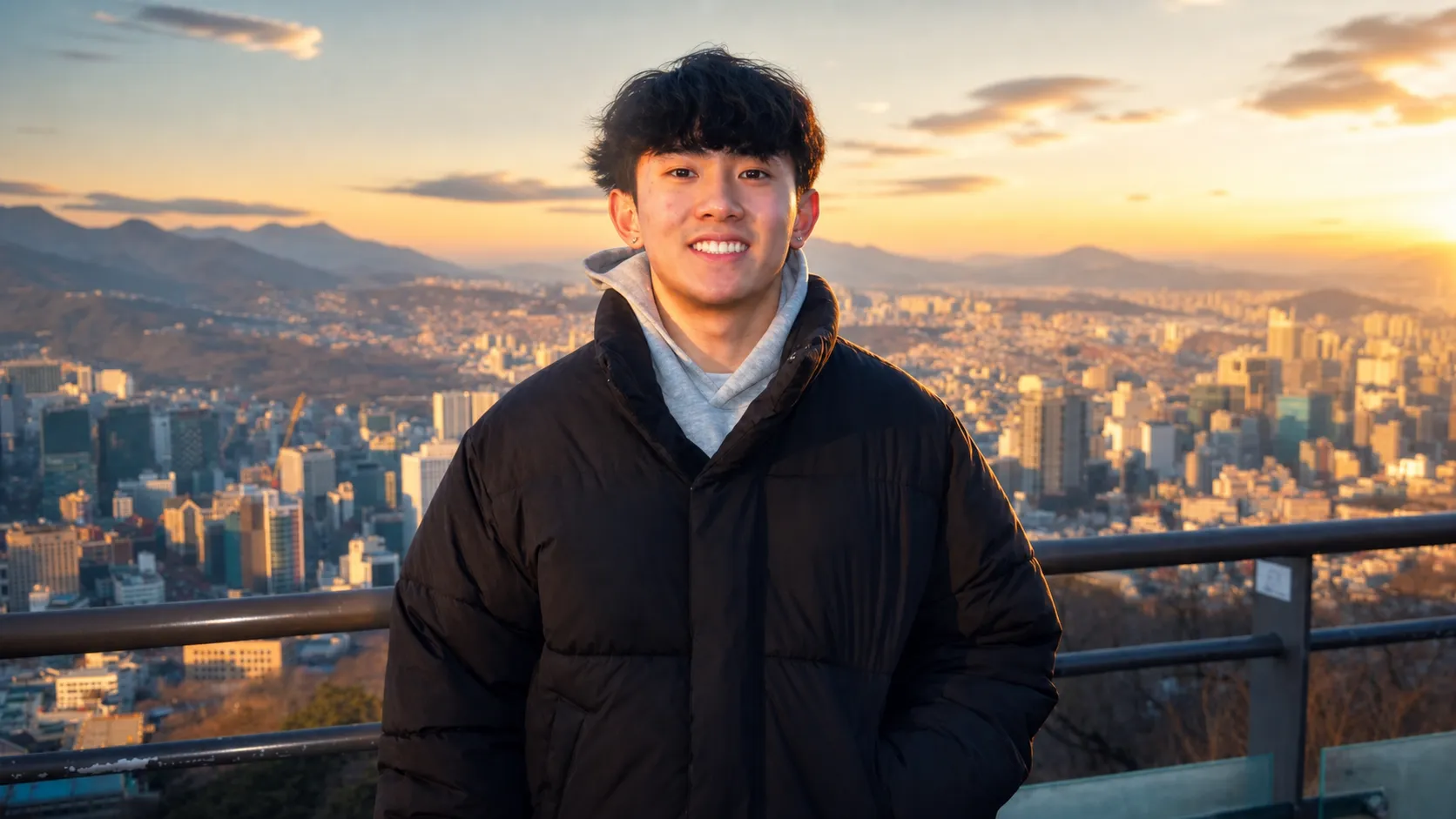
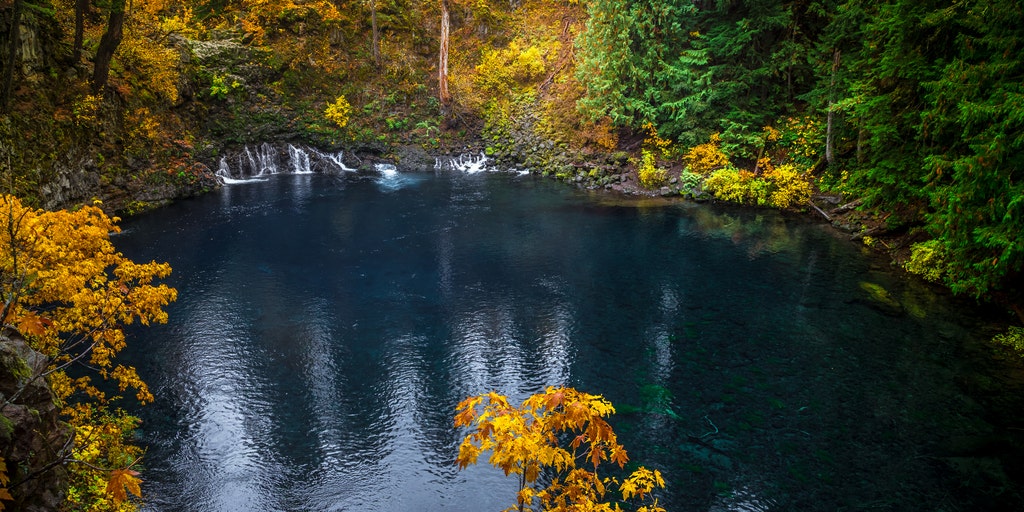
A 21-year-old college student died Friday night, June 26, after jumping into Tamolitch Falls, a popular destination in the Willamette National Forest famously known as the Blue Pool.
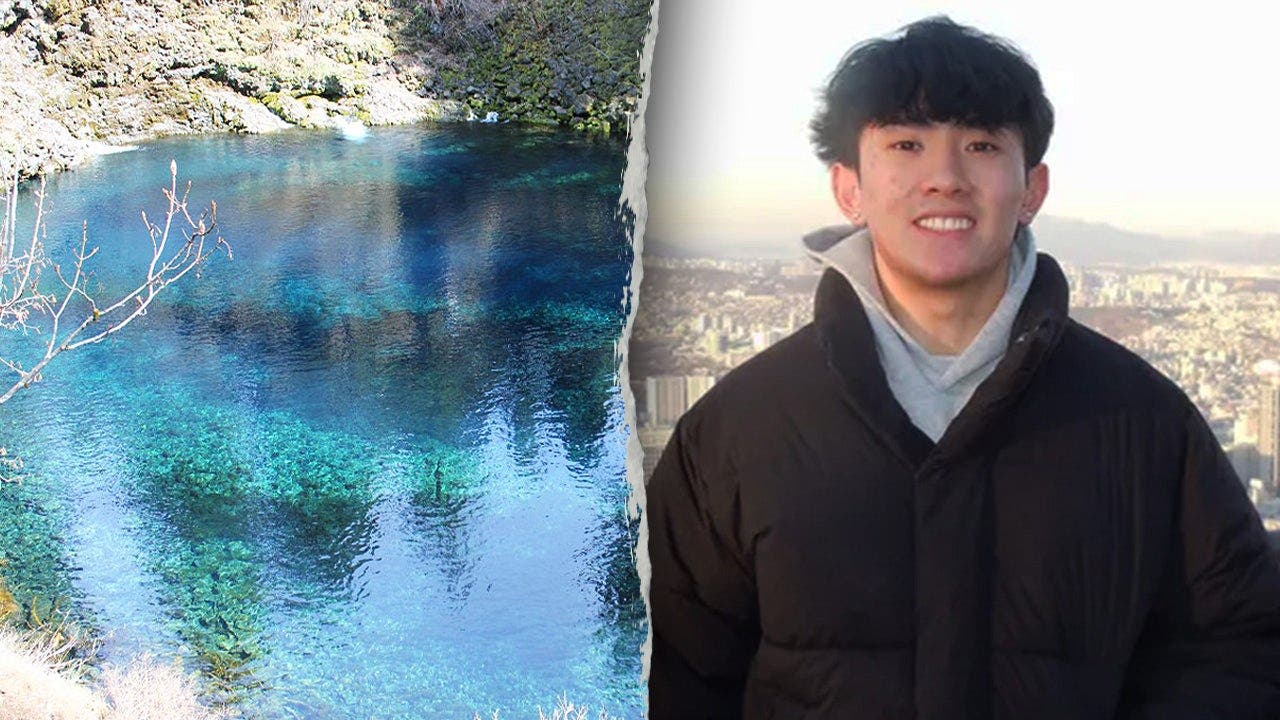
Kenny Truong of Kansas was visiting the scenic attraction with friends when he decided to jump into the basin.
Truong was a student at Wichita State University.
Emergency dispatchers received a 911 call at 8:47 p.m. Reporting that a man had jumped into the water and was unable to get out.
Witnesses described seeing Truong struggle to swim to shore before he fully submerged.
The Linn County Sheriff’s Office, Lane County Sheriff’s Office, and Upper McKenzie Rural Fire responded to the remote location together. These agencies have done so many times before at this location.
First responders located the victim and pulled him from the water, but life-saving measures were ultimately unsuccessful.
The tragedy has prompted officials to issue an urgent warning to future visitors.
Following the tragedy, officials warned that the Blue Pool “will take lives again if visitors do not understand what they are facing.”
Authorities said the cliffs surrounding the pool rise between 10 and 60 feet, while the water averages just 37 degrees.
When something goes wrong at Blue Pool — or on the trail leading into the falls — it can take up to several hours from the moment of injury to reach a hospital.
According to the U.S. Forest Service, the cliffs surrounding the pool range from 10 to 60 feet high, with a bone-chilling temperature of 37 degrees Fahrenheit—extreme enough to trigger immediate physical shock.
To put this in perspective,
the Pacific Ocean typically averages 55 degrees Fahrenheit along the Oregon Coast.
Cold water shock, the physical response to plunging into cold water that causes involuntary gasping and rapid hyperventilation and can lead to drowning, can begin at water temperatures below 70 degrees.
There is minimal to zero cell phone reception in the area, meaning it can take hours for emergency responders to coordinate a rescue and transport victims.
This isolation makes the remote location particularly dangerous for those who find themselves in trouble.
Blue Pool is not a new concern for authorities.
The scenic location has a tragic history, claiming multiple lives over the past decade.
The surge in drownings at Blue Pool can be traced back to around 2013, when visitor numbers began to increase at the remote site.
In 2013, University of Oregon tennis player Alex Rovello died after a drowning and diving accident at Tamolitch Falls. In 2015, Joel Jesse Martin, 52, of Bend, died after falling nearly 45 feet near Tamolitch Pool while taking photos.
The death tragically follows a serious injury, when a woman was airlifted from Blue Pool just last month.
In May 2026, Linn County Sheriff’s Office reported that a 53-year-old woman from Terrebonne had to be rescued after severely injuring her knee while hiking at Blue Pool.
It’s a familiar story to Lori Sullivan, who nearly drowned at the Blue Pool when she was 21 years old. “I think the first thing I thought of was, ‘not another one,’ because it does – it’s almost like every year or so, you hear of something like that happening there,” Sullivan said.
“The cold just consumes your whole body.”
Despite these warnings, the destination remains popular with tourists and adventurers.
The vibrant turquoise water draws large crowds of national and international visitors to the falls every year.
While it is not against the rules to jump in, people have been severely injured or died at this site in the past. In 2023, a proposed swimming ban at Blue Pool from Forest Service officials gained some traction after five people were rescued in three days, but ultimately did not go forward.
Officials are now emphasizing the need for visitors to take these dangers seriously.
Officials urge future visitors to research safety parameters ahead of time and fully understand the lethal environmental risks before ever entering the water.
If you plan on swimming, the sheriff’s office recommends staying with a group, and understanding the risks before entering.
The consequences of ignoring these warnings are severe.
Swimming in Blue Pool is highly discouraged, although completely legal.
Emergency responders face extraordinary challenges in reaching victims due to the area’s extreme remoteness, steep terrain, and lack of cell service—challenges that can mean the difference between life and death.
Truong’s death has resonated deeply in his home community.
Truong was a finance major at the W. Frank Barton School of Business and a member-at-large of the Cummings Student Managed Investment Fund, according to Wichita State University.
A GoFundMe has been set up to support Truong’s family, which has raised more than $23,000 as of Tuesday.
As Oregon officials continue to urge caution, the tragedy serves as another stark reminder that Blue Pool’s natural beauty masks dangers that demand the utmost respect and preparation from those who venture there.