

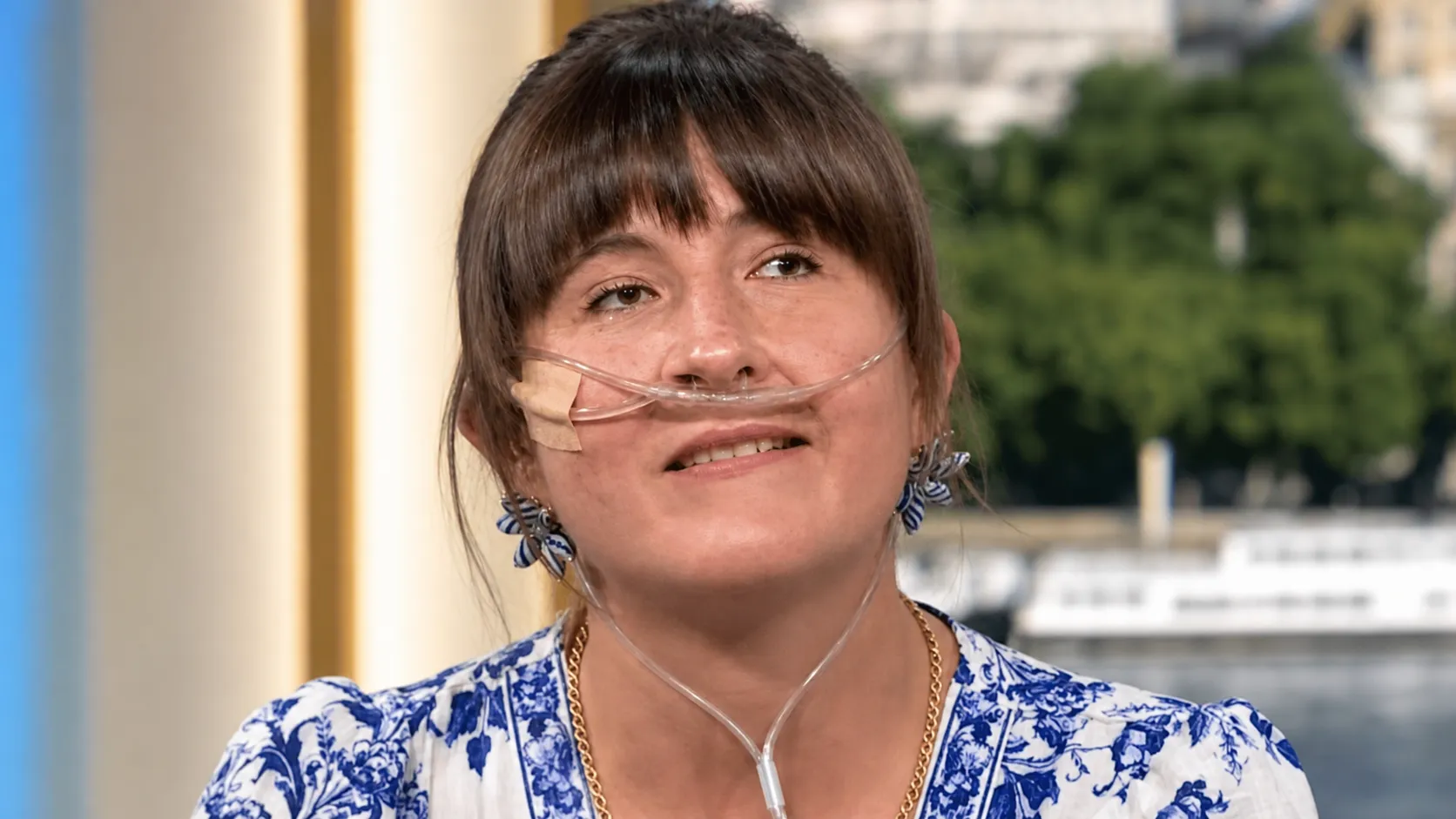
Alexandra Adams has made history as the first deafblind doctor to graduate in the UK, opening up about the determination it took to reach the finish line and the ways she learned to work with, rather than against, her disabilities.
At a time when much of the news can feel dominated by setbacks, her achievement stands out as a powerful example of perseverance, resilience, and self-belief.
Adams completed medical school after overcoming major obstacles, including spending 17 months in hospital during the Covid pandemic and stepping away from her studies for two and a half years. Her journey to qualification also followed years of campaigning and advocacy around disability access in medicine, after she first said she wanted to become a doctor while recovering as a teenager in hospital.
She has previously explained that she was inspired by the doctors and nurses who treated her during a long illness, and that her own experience as a patient made her want to give back to the NHS. In 2024, Cardiff University marked graduation week as Adams reached the end of her medical training, a milestone that drew attention across the UK because of both her story and what it represented for disabled people considering careers in medicine.
Now preparing to begin work as a doctor, she has made clear that being deafblind has not prevented her from succeeding. In some situations, she says, it has even helped her notice things others might overlook. Adams has also spoken about how her clinical placements showed that with the right adjustments, disabled medics can contribute fully and bring valuable lived experience to patient care.
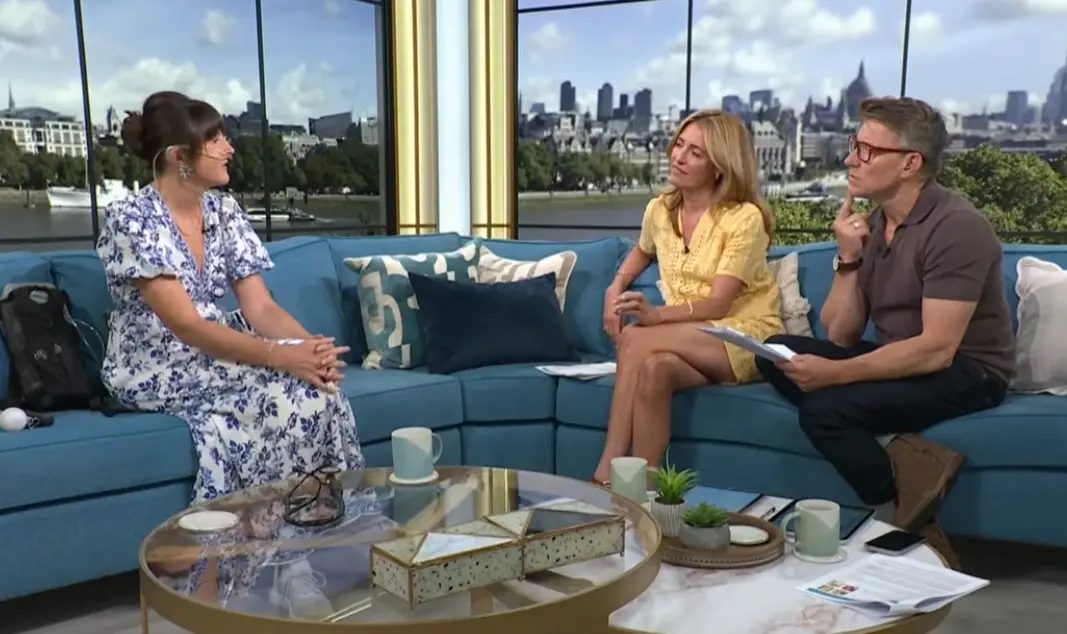
During an appearance on ITV’s This Morning, Adams spoke about finally reaching graduation after more than a decade of effort.
“Honestly, it’s been incredibly Even now, it’s incredibly surreal. Um, I just can’t believe it. It’s been 10, 11 years. So, I think you spend so much time thinking, ‘am I ever going to get to the end? Am I ever going to achieve this?’ And yeah, it just seems absolutely mad.”
She also reflected on the support she had growing up, explaining that her parents never defined her by her disabilities. After spending a year in hospital as a teenager, she began to see medicine as the career she wanted to pursue.
She said: “But it was by being in the hospital that you actually thought, you know what, this could be my vocation. This could be what I want to do.”
Adams said the biggest barriers during her training did not come from her own condition, but from how others viewed it. Her comments echoed challenges she had described for years, including discrimination, low expectations, and assumptions that disabled people cannot safely work in frontline healthcare.
“I’ve always said this; my disabilities haven’t been the obstacle in my medical degree. It’s been the perceptions of other people,” the new doctor admitted, revealing that ‘discrimination has been a big hurdle’, which she ‘anticipated’.
She stressed that disability exists on a wide spectrum and said she is fully able to communicate with patients in clinical settings.
“So even though I’ve got severe to profound hearing loss; I can like I am having a normal face-to-face conversation using a stethoscope,” she explained, and brought a Bluetooth stethoscope to demonstrate how she does it via connecting it to her hearing aids so that she can hear what she needs to.
She added that younger patients are especially fascinated by the technology.
Calling it ‘mind-blowing for the little patients’, she said they ‘honestly think I’ve got super hearing.’
As well as adapting how she hears, Adams said her sense of touch has become especially valuable in medical practice. That heightened sensitivity can be useful when carrying out tasks such as locating veins.
She explained: “So, I’ve had a number of times where people come over and say, ‘Look, we’ve got a really difficult patient, you know, with really swollen arms. Can you, you know, come and, come and see if they can get a canula?’”
Her story has also helped challenge outdated ideas about deafblindness. Deafblindness is a broad term, and people can experience it very differently depending on the extent of their hearing and sight loss, as well as whether they use hearing aids, cochlear implants, guide support, screen readers, braille, mobility aids, or other assistive technology. Adams has often said that people tend to underestimate what is possible before seeing it in practice.
She has also used her platform to highlight the importance of accessibility in hospitals, from communication adjustments to practical changes that help both staff and patients feel included. Her advocacy has made her a visible figure in a profession where disabled role models remain underrepresented, and she has repeatedly argued that the medical system benefits when it makes space for more diverse experiences.
With graduation now behind her, Adams said she is due to start her new role next week. She is excited to begin, even if being called Dr Adams still feels unfamiliar.