

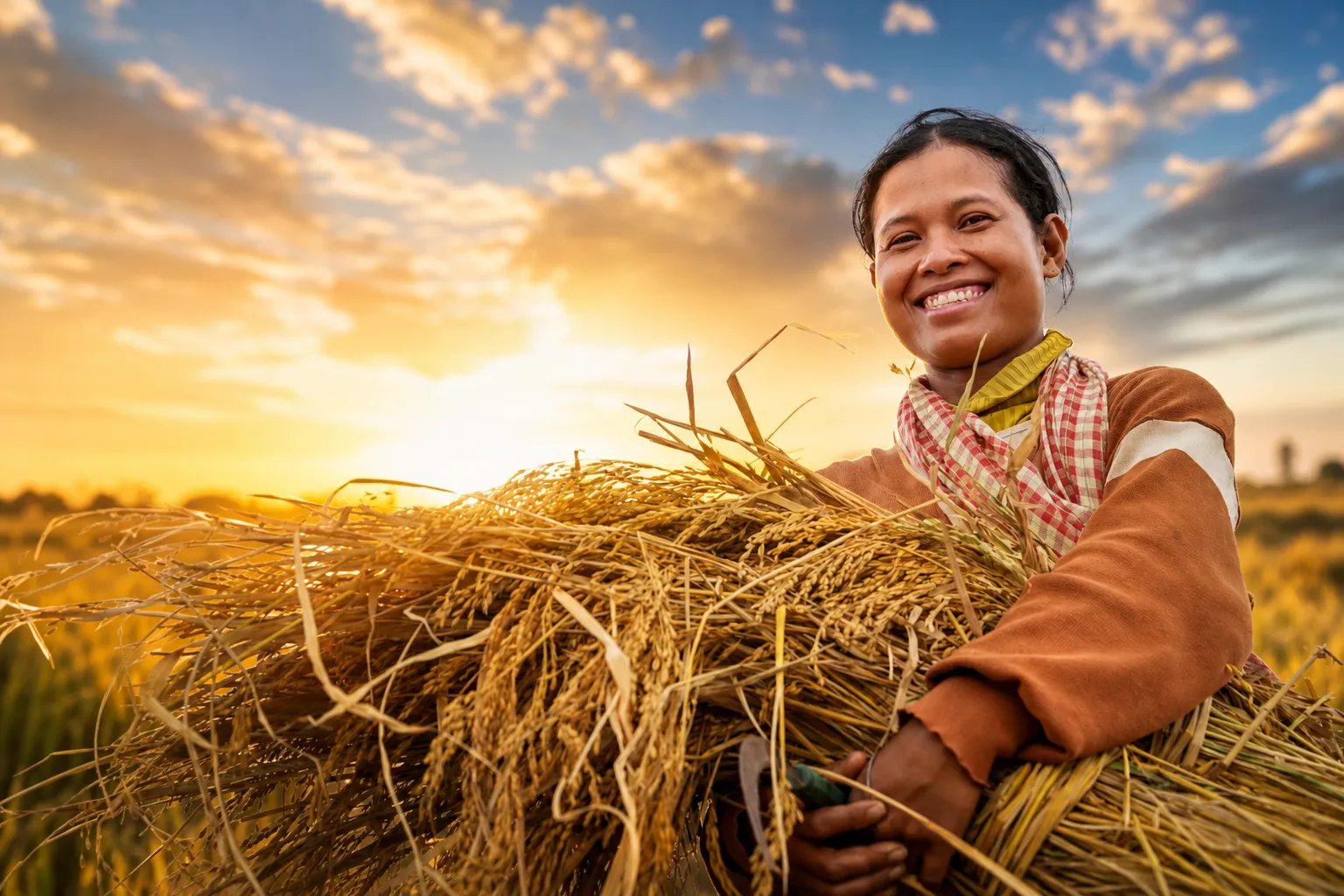
A recent heat dome that blanketed much of the United States has forced specialty farmers growing fruits and vegetables to implement creative and practical strategies to protect their crops and harvests. Across the country, farmers of high-value specialty crops are adjusting their operations in real-time as extreme heat becomes an increasingly common part of the growing season.
In Brooksville, Kentucky, Annie Woods tends a 50-acre farm where she grows vegetables and herbs, harvesting much of her produce by hand. During the recent heat event, she found herself working during the coolest parts of the day—early mornings and evenings—to shield herself and her plants from the most intense temperatures. “I think it’s pretty safe to assume these kind of heat waves aren’t going away or they’re not freak occurrences,” Woods said, reflecting on the shift in farming realities.
The recent heat dome represents a broader pattern that experts say is becoming the new normal for agriculture. Prolonged and intense heat is part of a climate change-driven pattern that has also brought intense flooding and extended drought. For farmers managing specialty crops, this combination creates serious challenges. The extreme temperatures cause shorter planting windows and can result in crop losses when periods of early-season heat are followed by unexpected freezes. Yields for many major crops begin to decline above 30 degrees Celsius, or about 86 degrees Fahrenheit.
Specialty farmers face particular vulnerabilities compared to their counterparts who grow commodity crops like corn and soybeans. Traditional commodity crop farmers often have access to government-backed insurance programs and other safety nets that specialty crop growers lack. However, growers of high-value fruits and vegetables have begun developing practical adaptations that help them survive heat events.
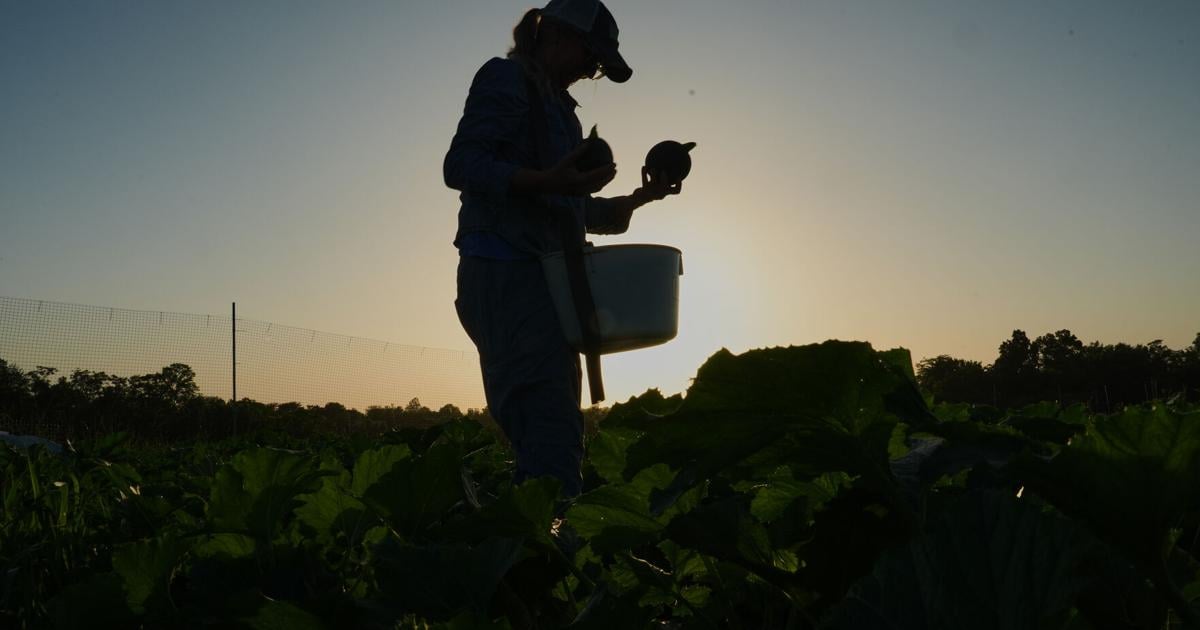
Adjusting harvest schedules stands out as one of the most immediate solutions. Farmers are shifting their harvests to earlier hours when temperatures are coolest. Early morning harvesting, before dawn if necessary, helps preserve produce quality since plants contain more moisture during cooler hours, reducing wilting and spoilage. Some farmers also work during evening hours as temperatures drop. When harvest timing alone isn’t sufficient, Woods implements additional measures. She uses tents typically reserved for farmers markets to provide shade during critical harvesting periods when the heat is unavoidable.
Beyond timing adjustments, farmers are investing in infrastructure improvements. Some use high tunnels—structures covered with plastic that create controlled climates for sensitive crops. These are proving cost-effective for small acreage farms, particularly for vegetables like herbs and specialty greens. Mesh coverings and evaporative cooling stations, also known as overhead micro-sprinklers, have shown promise in other regions. Studies indicate these systems can reduce crop damage by 20 to 30 percent during intense heat periods.
Greenhouses with ventilation systems and fans represent another approach. On Woods’ farm, greenhouses equipped with running fans help maintain manageable temperatures for crops like poblano peppers and celery, though even these protected structures experience challenges during extreme heat. The equipment also provides storage space for seedlings kept in cool cabinets, protecting the next generation of plants.
Crop diversification has become a business strategy as well as an adaptation method. Smaller farms like Woods’ plant a wide variety of crops throughout the year. This approach protects the overall operation since while some crops may struggle during heat extremes, others thrive. As Woods explained, “You’re always gonna have something that will thrive while other things might be more challenged.”
The impacts of extreme heat on agricultural productivity extend beyond the field. Research shows that post-harvest spoilage accelerates in high temperatures, causing significant income loss. An estimated 526 million tonnes of food, about 12 percent of the global total, is lost or wasted due to insufficient refrigeration, and heatwaves make this problem worse. Farmers are addressing this by implementing immediate cooling protocols after harvest, moving produce from field to shade within minutes and using insulated containers to maintain cool temperatures during transport.
The challenge of heat stress on farmworkers themselves cannot be overlooked. The heat and humidity that accompany heat domes present serious health risks to the people doing the harvesting. Agricultural workers are 35 times more likely to experience occupational heat exposure-related illness than workers in other sectors. Farmers like Woods are managing this by taking frequent water breaks and working during cooler hours to minimize exposure.
Experts emphasize that broader solutions will require investment in heat-tolerant crop varieties and improved farm management practices. Early warning systems for extreme heat allow farmers to plan ahead, adjusting their activities before conditions become dangerous. Some international agricultural development projects have demonstrated that combining heat-tolerant crop varieties with practices like mulching and adjusted planting windows can deliver returns as high as eight dollars for every dollar invested.
As climate change continues to intensify heat events, specialty farmers understand that adaptation is no longer optional. The strategies they are implementing today—from changing harvest times to installing cooling systems—represent practical responses to a changing climate. For many, the focus has shifted from hoping for normal weather patterns to preparing for a future where extreme heat is the baseline.