

Two 15-year-old boys learned a hard lesson about surveillance when a Waymo autonomous vehicle they commandeered turned out to be equipped with round-the-clock monitoring capabilities. The teenagers, riding in a driverless car in San Mateo, California, on Monday afternoon, were drinking alcohol and firing Orbeez—small water-absorbent gel beads—from a painted-black toy gun when Waymo’s remote operators caught them in the act.
The incident unfolded around 2:10 p.m. When a Waymo representative monitoring the vehicle’s interior cameras contacted the San Mateo Police Department to report what they described as a firearm being discharged from the moving car. The remote operator had observed the black-painted toy gun, the passengers appearing intoxicated with an open bottle of alcohol visible, and what they believed was a recoil from firing the weapon. With that call, what the teenagers probably thought was a carefree summer day turned into a high-stakes police operation.
Rather than immediately stopping the vehicle, Waymo’s remote operators employed a strategic deception. A Waymo employee told the passengers that the car was experiencing mechanical problems and needed to pull over. Unknown to the teens, the company had also remotely disabled the vehicle and maneuvered it toward a predetermined location—a shopping center parking lot near El Camino Real and Highway 92 where police had already assembled and were waiting.

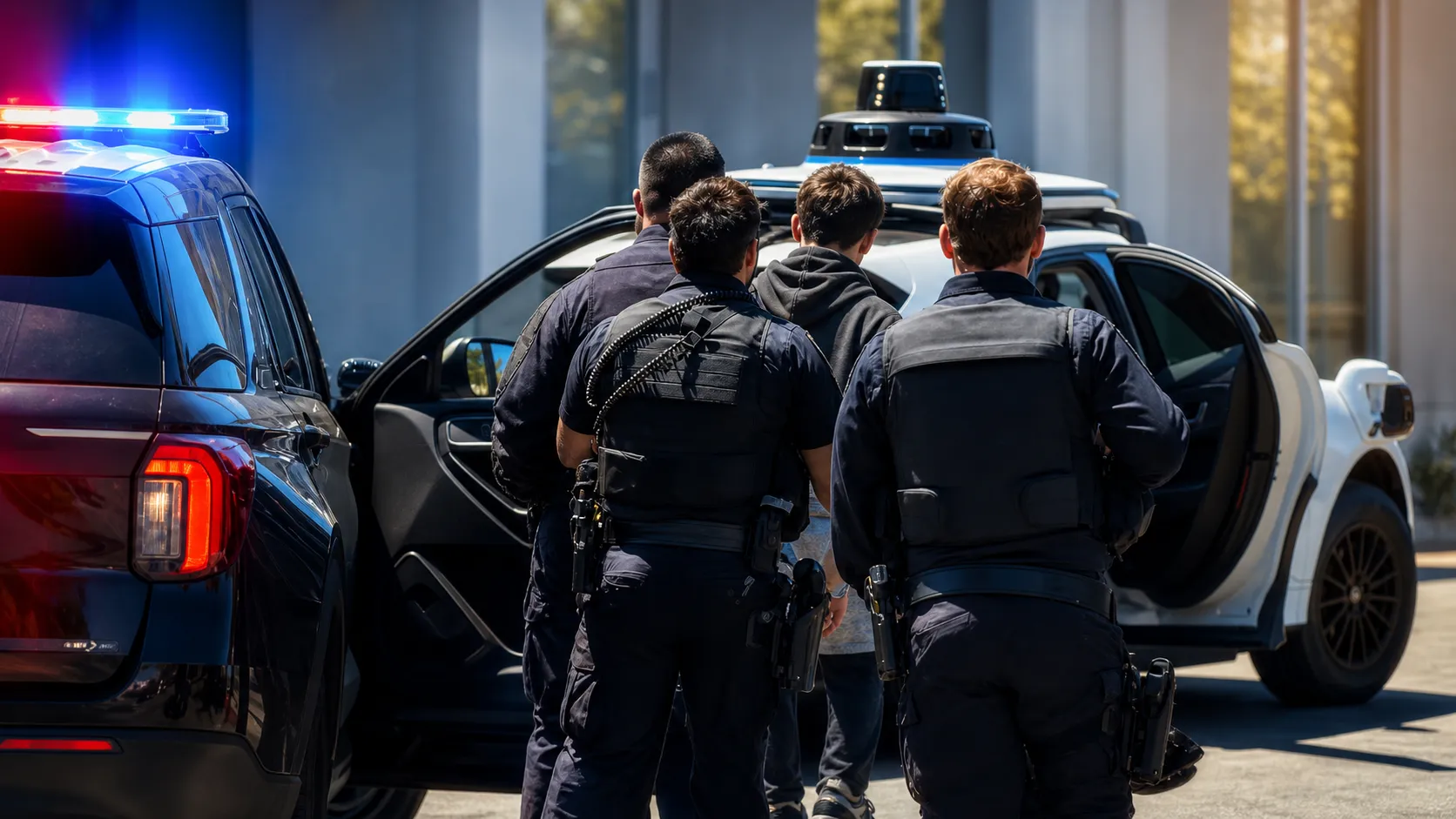
When the driverless car came to a halt in the parking lot, five San Mateo Police Department officers were ready. Treating the situation as a high-risk stop, given the initial report of what appeared to be a firearm being discharged, some officers responded with stun guns and a police dog was deployed. Officers quickly surrounded the vehicle and removed both teenagers, conducting a search that revealed the suspected weapon to be an Orbeez gel blaster—motorized toy guns that fire water-filled pellets.
The Orbeez gun, however, presented a complication. While the toy guns themselves are legal to possess, this one had been partially painted black, making it resemble a real firearm. Police later found alcohol and a toy gun with what appeared to be paint-over coloring inside the vehicle. The teens cooperated fully with authorities and no one was injured by the gel pellets that had been fired from the vehicle.
The San Mateo Police Department praised Waymo’s quick action in contacting them and disabling the vehicle in a safe location for officers to respond. “They were right in calling us and letting us figure it out,” said Jeanine Luna of the San Mateo Police Department. The two 15-year-olds were detained and later released to their parents. The district attorney’s office is now reviewing the case to determine whether charges will be filed, including counts related to underage drinking and engaging in threatening behavior.
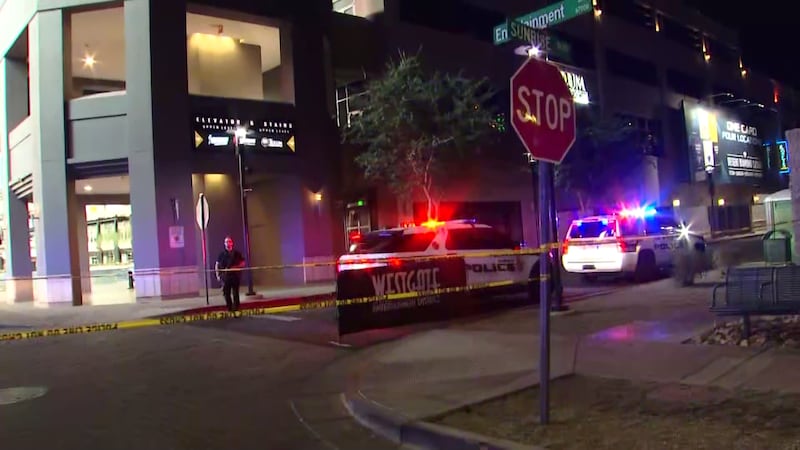
Police used the incident as a cautionary tale about the dangers posed by toy guns painted to look realistic. “While there was some ingenuity to this scheme, toy guns, water guns, and BB guns all pose real dangers, especially to an untrained eye,” the San Mateo Police Department stated. “The simple handling of them can cause fear in passersby or in those who don’t get a good look.” The department also noted that even water-based projectiles fired at high speed from a moving vehicle could cause real damage.
The case highlights a quirk of modern autonomous ride-sharing: unlike traditional taxi services with human drivers who might not notice what passengers are doing, Waymo vehicles are equipped with interior cameras constantly monitored by remote operators. Those cameras, combined with live monitoring capabilities, allow Waymo to detect rule violations and safety issues in real time. The company’s support team can review recorded video after an issue is reported and, in urgent situations, can access live video during an active trip.
The teenagers, described by police as being on summer break, inadvertently became a test case for Waymo’s ability to serve as both ride service and enforcer of its own rules. While officers credited the boys for at least choosing not to drive impaired—”The Waymo might have been the smartest idea yet, because driving impaired would’ve made this so much worse,” the department said—their decision to ride in a driverless car while engaging in illegal behavior proved ill-conceived.
Waymo responded to the incident in a statement, saying “Safety is our highest priority at Waymo. This behavior violates our user agreement, and while these sorts of events are rare, we take them extremely seriously and remain committed to improving road safety and mobility in the cities where we operate.” The company noted that the vehicle has seat sensors and cameras designed to detect when riders aren’t wearing seatbelts and that it has policies prohibiting alcohol consumption and requiring adult supervision for passengers under 18.
The case raises questions about how young people are booking rides in autonomous vehicles. Some commenters on social media speculated that the ride may have been booked through a parent’s account or paid for with a card connected to an adult, pointing to potential gaps in the company’s age verification systems.