

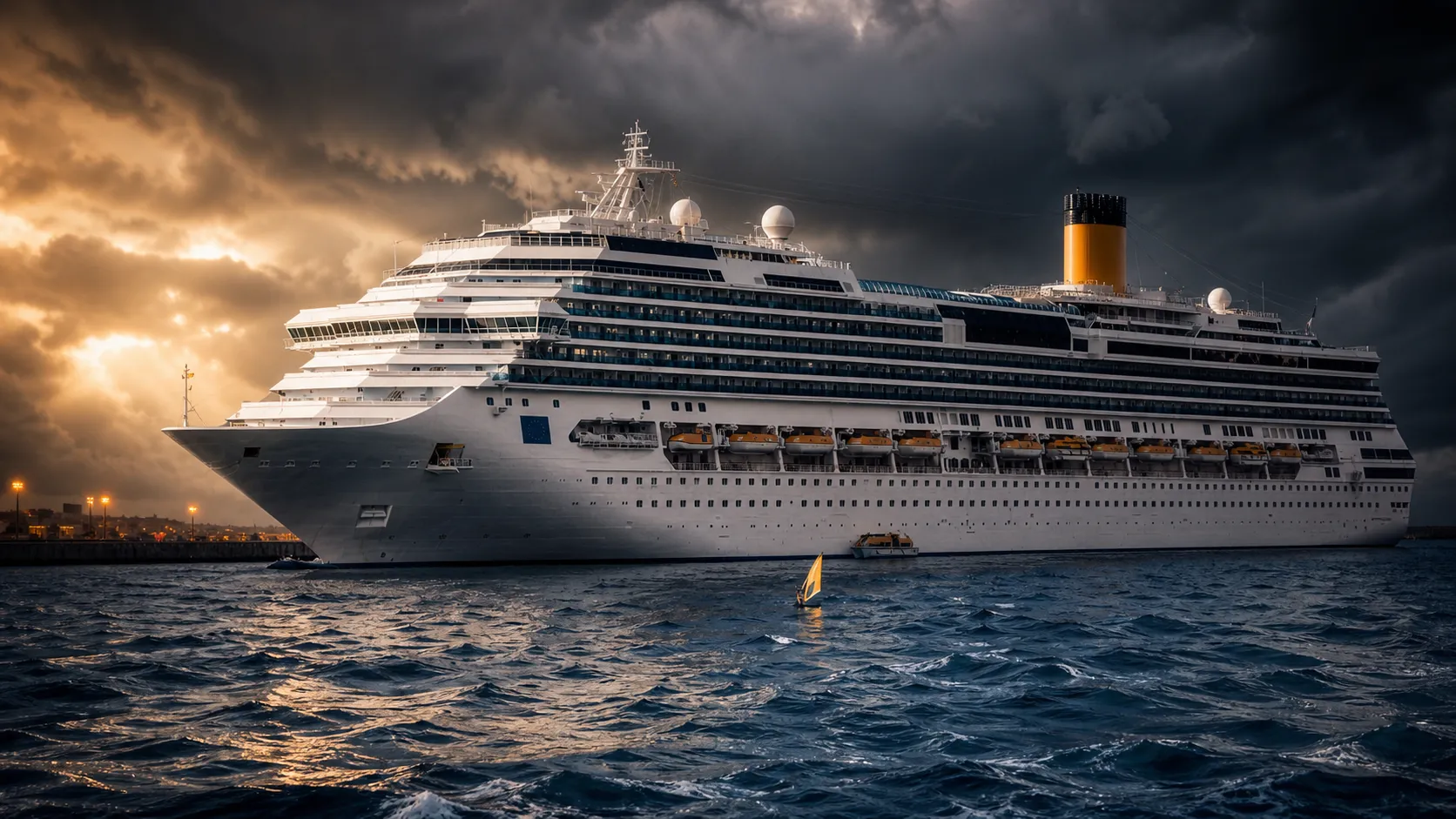
What should have been a familiar sail-past near a tiny Italian island ended in one of the worst cruise ship disasters of the modern era.
The Costa Concordia departed Civitavecchia at 19:18 local time on 13 January 2012, beginning a seven-night Mediterranean voyage with 3,206 passengers and 1,023 crew members aboard.
During the journey along Italy’s western coastline, Captain Francesco Schettino instructed the vessel to pass close to the island of Giglio, a manoeuvre similar to ones carried out on previous trips. The ship had been built in 2005 and was one of Costa Cruises’ flagship vessels, carrying more than 4,200 people in total on the night of the disaster.
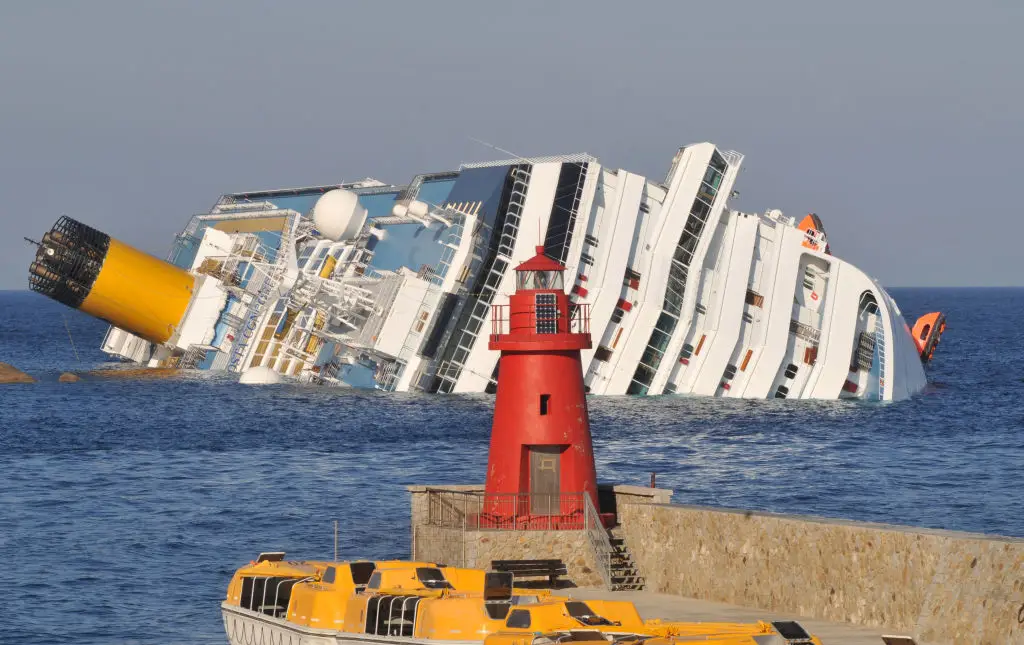
A timeline released by Italy’s Ministry of Infrastructure and Transport in its official investigation states that shortly after 21:30, Schettino gave the helmsmen coordinates and warned, ‘otherwise we go on the rocks’.
Only minutes later, at 21:45, the ship hit a rocky outcrop while moving at roughly 16 knots. The impact ripped a 53-metre hole in the hull, causing catastrophic damage.
More than 14 years on, the tragedy is being revisited in a new Netflix documentary, Shipwrecked: Nightmare at Sea, which premieres on 10 July. The film includes testimony from survivors and previously unseen footage connected to the sinking that killed 32 people, among them five crew members.
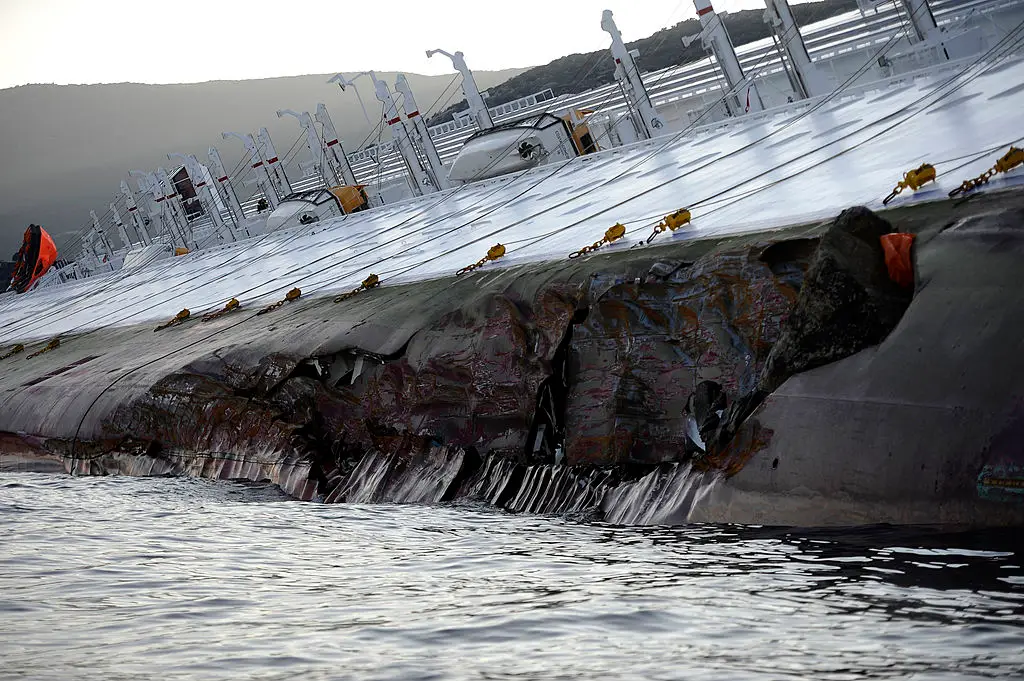
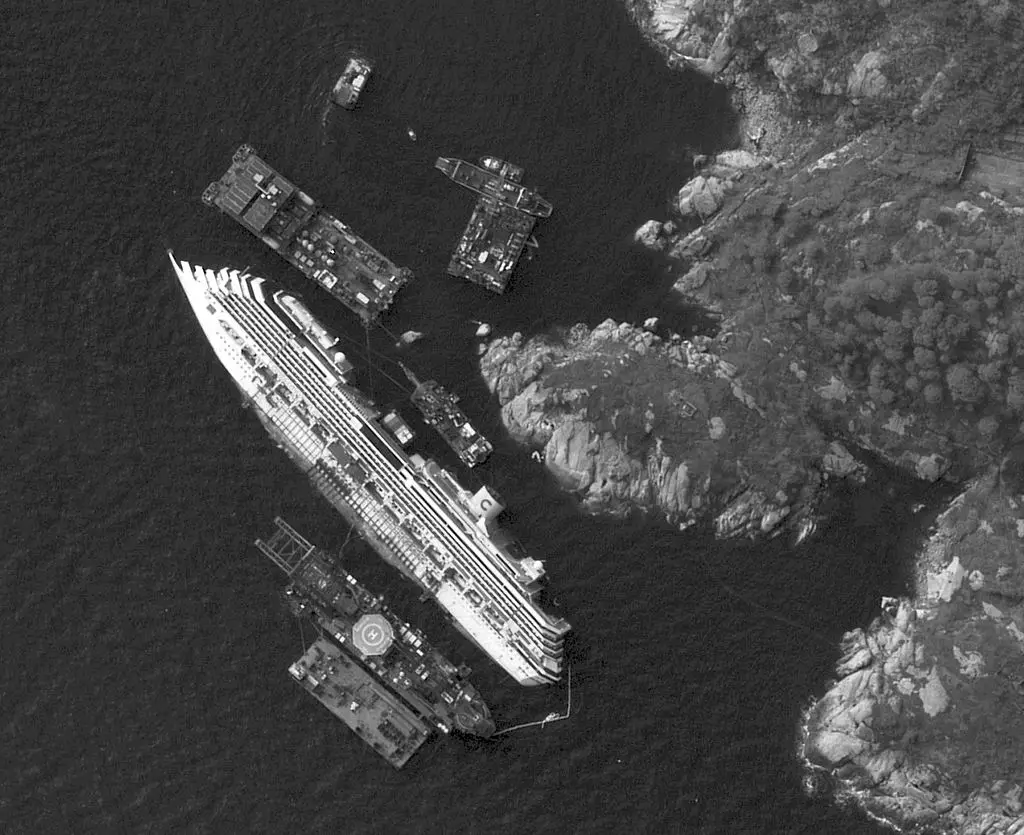
The ministry’s report says the vessel began flooding almost immediately after the collision. Water poured into the engine rooms, and power was quickly lost throughout the ship. As the emergency systems failed, the ship’s heel changed rapidly, making evacuation progressively more difficult.
What followed was a breakdown in communication. Authorities were given incomplete updates, while passengers were initially told there had been a ‘blackout’ and that the situation was ‘under control’.
Tracking data referenced in the investigation shows the Concordia drifted back toward the port of Giglio before listing the opposite way. Investigators believed this happened because water inside the damaged hull shifted across the ship as it turned.
The general emergency alarm was not sounded until 22:33, and the order to abandon ship did not come until 22:54, more than an hour after the initial strike. By then, some passengers had already begun entering lifeboats on their own.
By midnight, many passengers were still trapped aboard. Some were left clinging to the exposed side of the sharply tilted liner while rescue boats and helicopters tried to reach them. Emergency crews from the coast guard, harbour authorities and nearby vessels worked through the night to pull people off the ship and from the water.
Voice recordings from the ship’s black box, cited in the ministry’s findings, captured the confusion on the bridge as events spiralled. One exchange in particular went on to symbolise the public anger that followed.
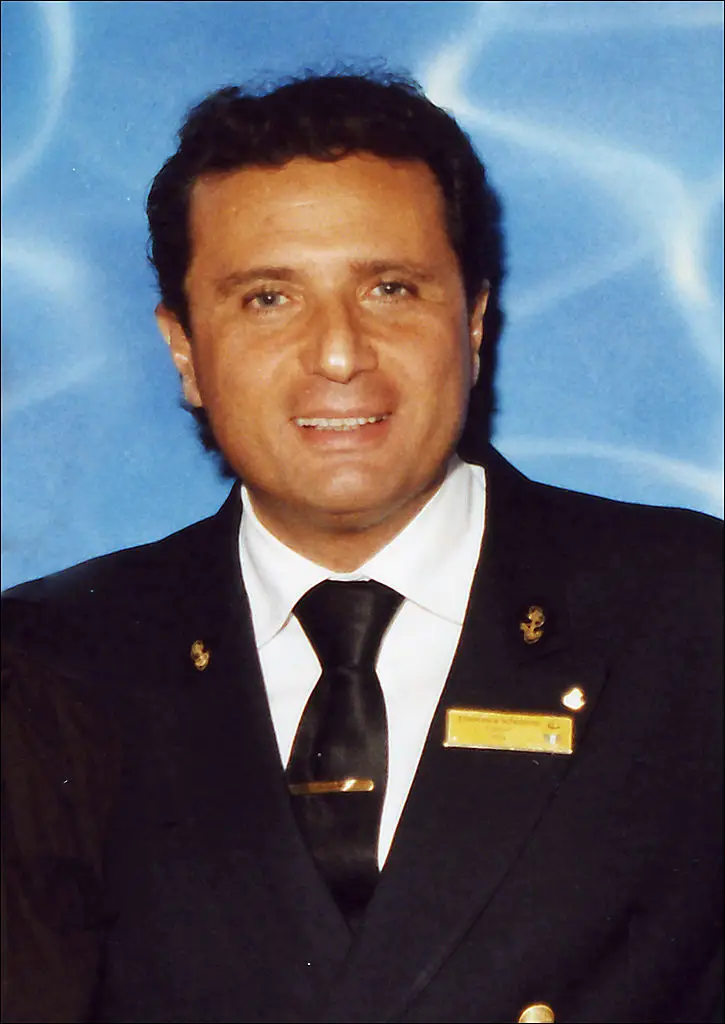
At 23:19, Schettino left the bridge, leaving his second master to oversee the evacuation. That officer also departed the bridge just 13 minutes later. In a tense recorded exchange at 00:42, a coastguard commander is heard ordering the captain to return to the ship. He did not and instead went ashore.
In Italy, the response to Captain Francesco Schettino’s actions was immediate and fierce. Labelled ‘Captain Coward’ by the press, he became a national figure of blame and condemnation.
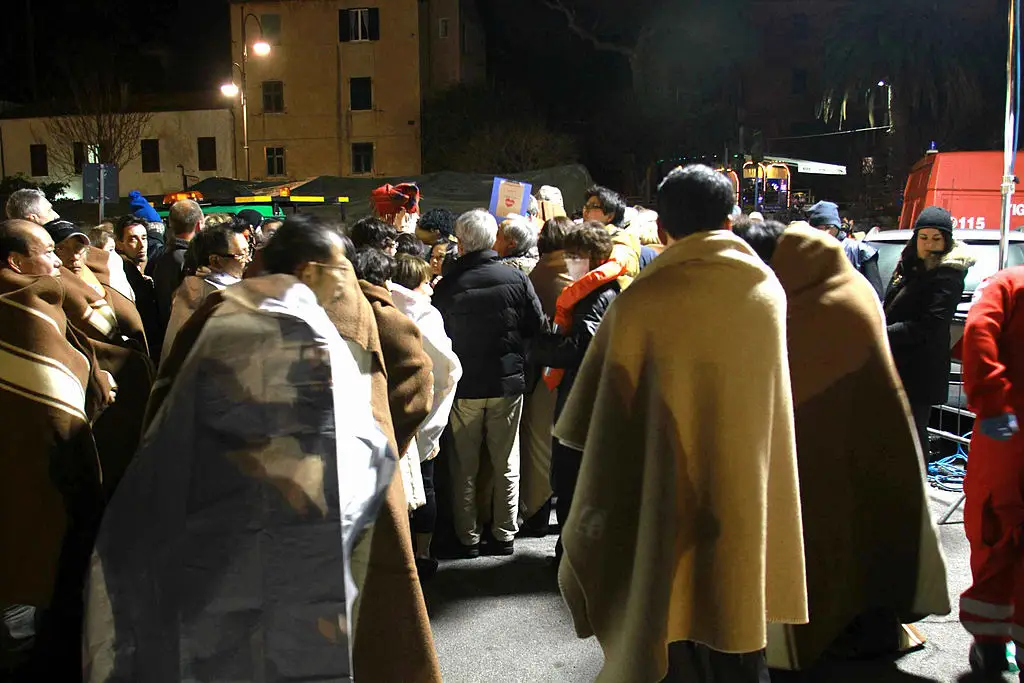
He was later arrested and tried on multiple manslaughter charges as well as for abandoning ship. Schettino admitted a navigational mistake, telling investigators he had “ordered the turn too late.” Costa Cruises said at the time that he had made an “unapproved, unauthorised” deviation from the planned route to bring the ship close enough to the island for locals to see it.
The legal aftermath dragged on for years. Italy’s highest court later upheld a 16-year prison sentence for Schettino, and the Concordia became a symbol of managerial failure as well as maritime error. The wreck was eventually righted, refloated and towed away, and final scrapping was completed in 2017 after one of the largest salvage operations ever attempted.
Shipwrecked: Nightmare at Sea arrives on Netflix on 10 July, promising what the platform describes as an ‘immersive account of the collision, evacuation and aftermath’, blending archive material with first-hand accounts from people who lived through it.