

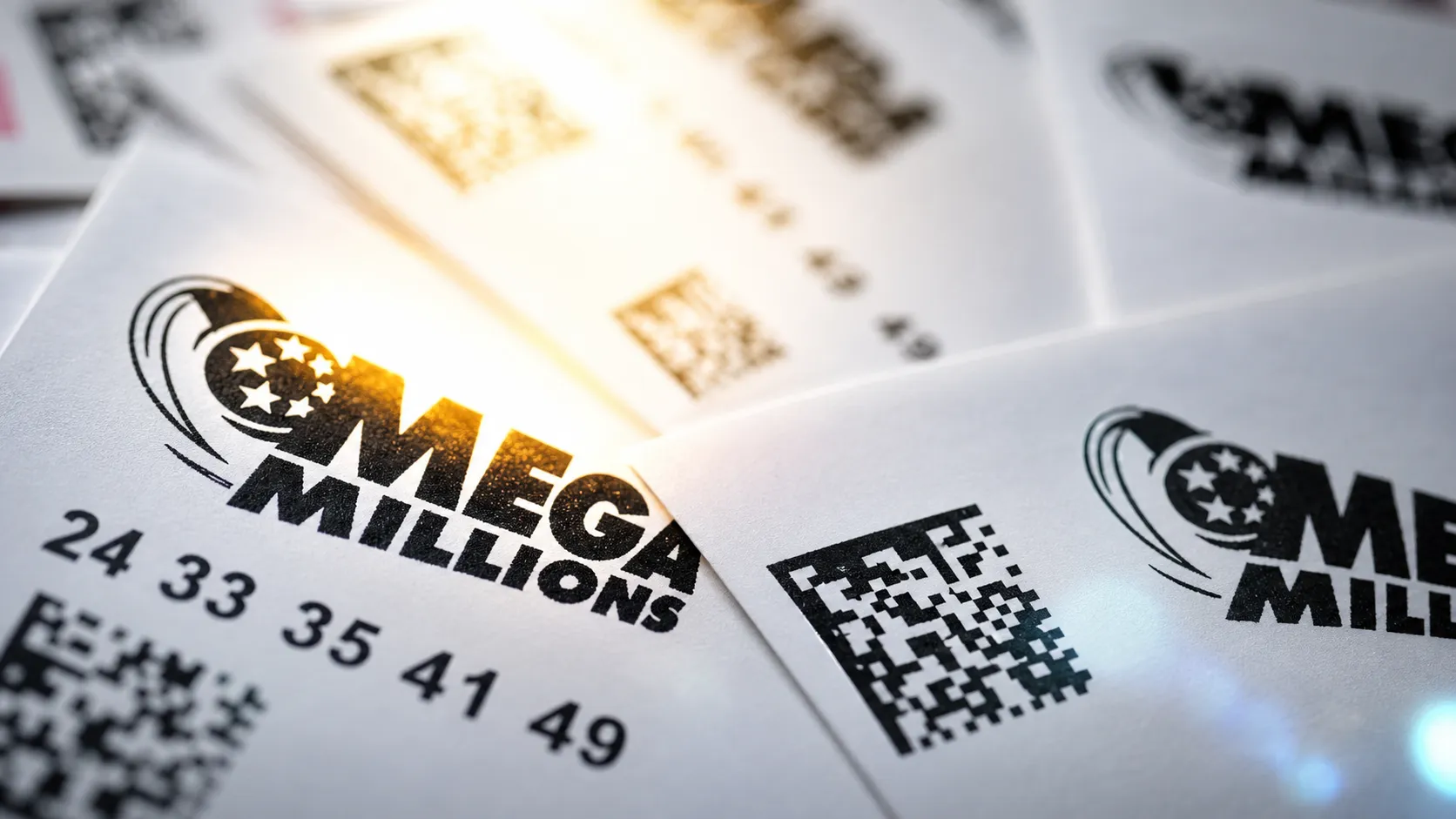
The ‘worst numbers’ to pick before Friday’s Mega Millions draw (July 10) have come under the spotlight, with the top prize climbing to a staggering $604 million.
Plenty of people have imagined how life might change if a million dollars suddenly appeared in their account.
When the figure stretches into the hundreds of millions, though, it becomes far harder to picture.
That possibility is now very real for one ticket-holder, as Friday’s Mega Millions jackpot has grown to its highest level of the year at $604 million, with a cash option of $266.3 million before taxes.
The prize increased after no player matched all six numbers in Tuesday night’s draw.
The numbers selected were: 2, 31, 35, 36, 63, and Mega Ball 12.
Anyone hoping to land the jackpot faces incredibly long odds, with the chance of winning sitting at 1 in 290,472,336.
But when it comes to choosing numbers, lottery players should remember that every combination has the same mathematical chance of being drawn. That means so-called “hot” or “cold” numbers do not improve the odds of winning the jackpot.

For players who still prefer to avoid commonly chosen numbers, the best approach is not about changing the odds of winning, but about reducing the chance of splitting a prize with other players. Birthdays, anniversaries and other low numbers are often picked more frequently, which is why many players gravitate toward higher numbers, though that strategy does not make a ticket more likely to win.
If somebody does win this weekend, another major choice will follow almost immediately.

The winner would need to decide whether to accept the money in a single lump sum or spread it out through instalments, with each option carrying advantages and drawbacks.
Choosing the lump sum would mean taking the cash value of $266.3 million before taxes. Federal withholding on lottery winnings is typically 24%, although the winner’s final tax bill could be higher depending on their overall income and where they live.
If the winner instead takes the prize in 30 annual instalments, the full advertised jackpot amount would be paid over time, but those yearly payments would still be taxable income.
State taxes may also apply, depending on where the ticket was purchased. Some states, including Texas and Florida, do not impose a state income tax, while California does not tax lottery winnings.