

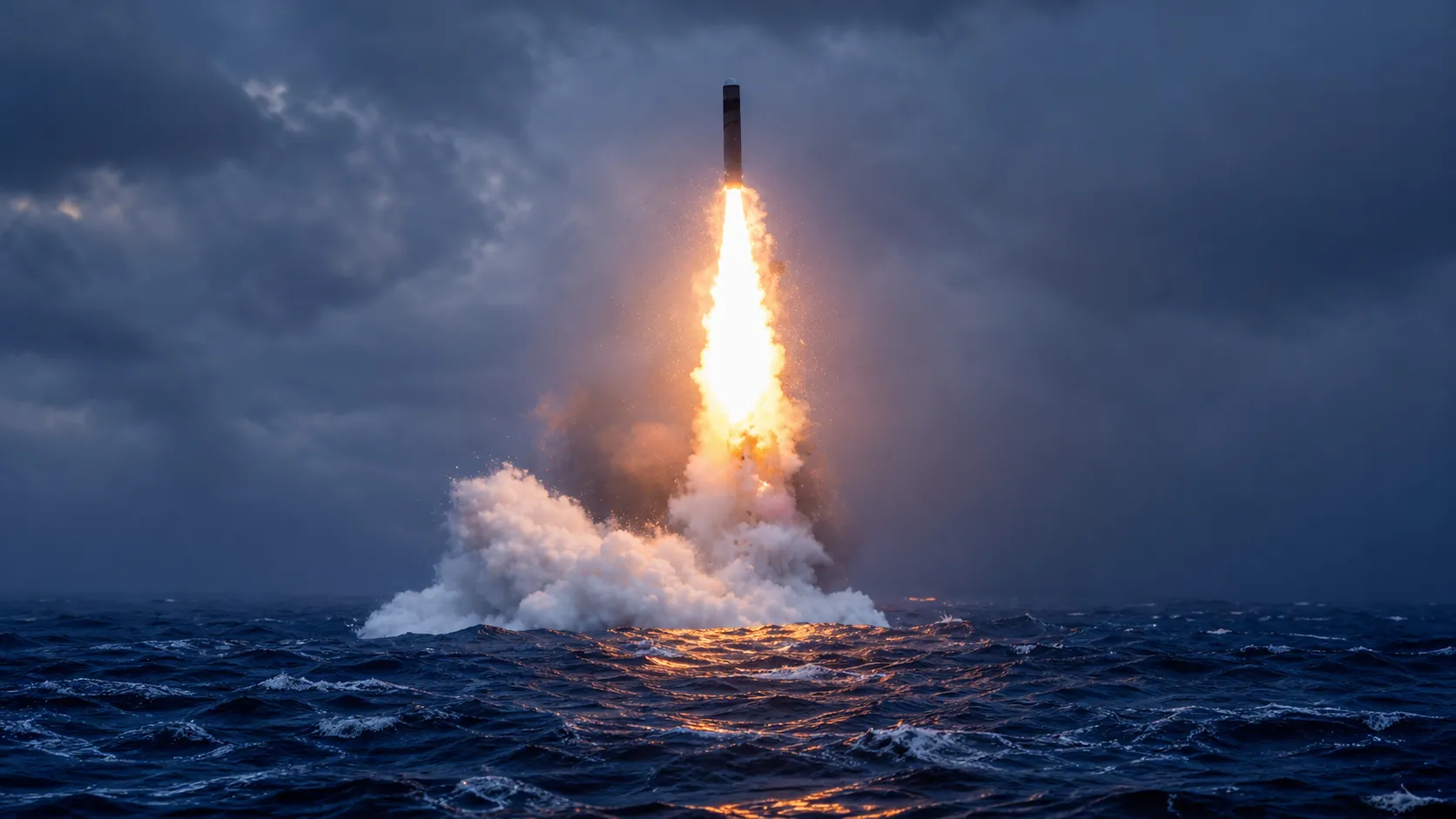
China’s test launch of a submarine-launched ballistic missile into the South Pacific on Monday was the first publicly announced demonstration of Beijing’s sea-based nuclear deterrent reaching far into the Pacific, sending what analysts describe as a strategic message aimed primarily at the United States and its regional allies.
The missile, fired at 12:01 p.m. Local time on July 6 from a nuclear-powered submarine and carrying a dummy warhead, traveled approximately 7,300 kilometers before landing in a designated area of the Pacific Ocean. The test marked a significant shift in China’s approach to military transparency, as the government publicly announced the launch rather than keeping it secret as in previous decades.
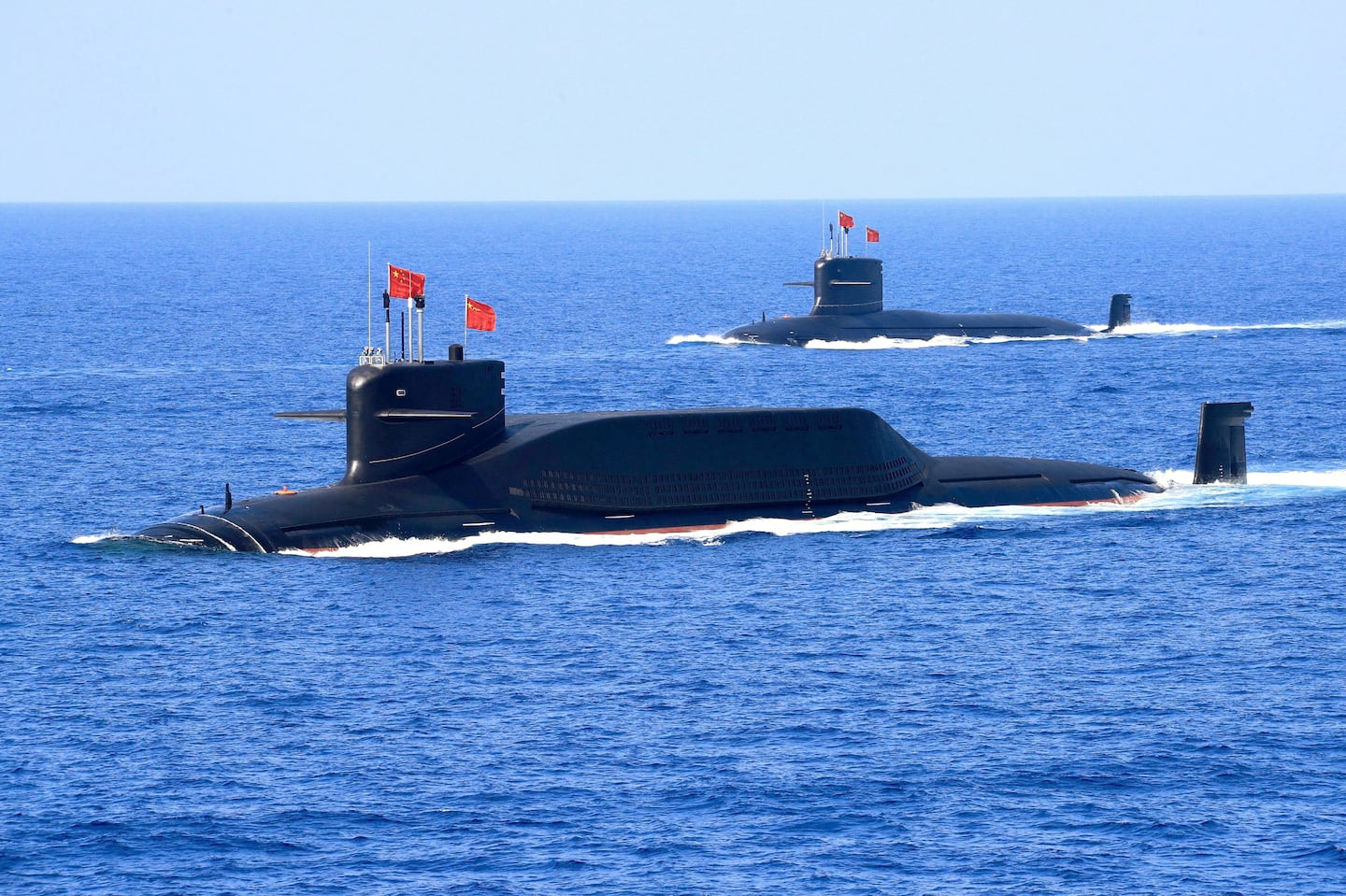
Experts say the test served multiple purposes for Beijing. It demonstrated the progress of China’s advanced missile capabilities, signaled the country’s growing military reach to regional nations, and allowed the People’s Liberation Army to practice long-range nuclear deterrence operations under realistic conditions. The announcement came on the same day Australia and Fiji signed a new mutual defense treaty intended to counter Chinese influence in the Pacific, intensifying questions about Beijing’s strategic timing.
The exact missile type remains uncertain. Taiwan’s National Security Council said it was a JL-2, an older submarine-launched ballistic missile with a range exceeding 7,000 kilometers. Chinese state media suggested it was likely a newer JL-3, which analysts say can travel more than 10,000 kilometers and carry multiple warheads. The longer range of a JL-3 would allow Chinese submarines to strike targets far beyond Asia, including parts of the continental United States, while operating from protected coastal areas rather than having to venture deep into the Pacific.
This was the first time China had ever launched a submarine-launched ballistic missile into international open waters and the first public demonstration in the Indo-Pacific of China’s sea-based strategic nuclear strike capability. It represented only the second ballistic missile test by China in international waters since 1980, following a similar land-based test in September 2024.
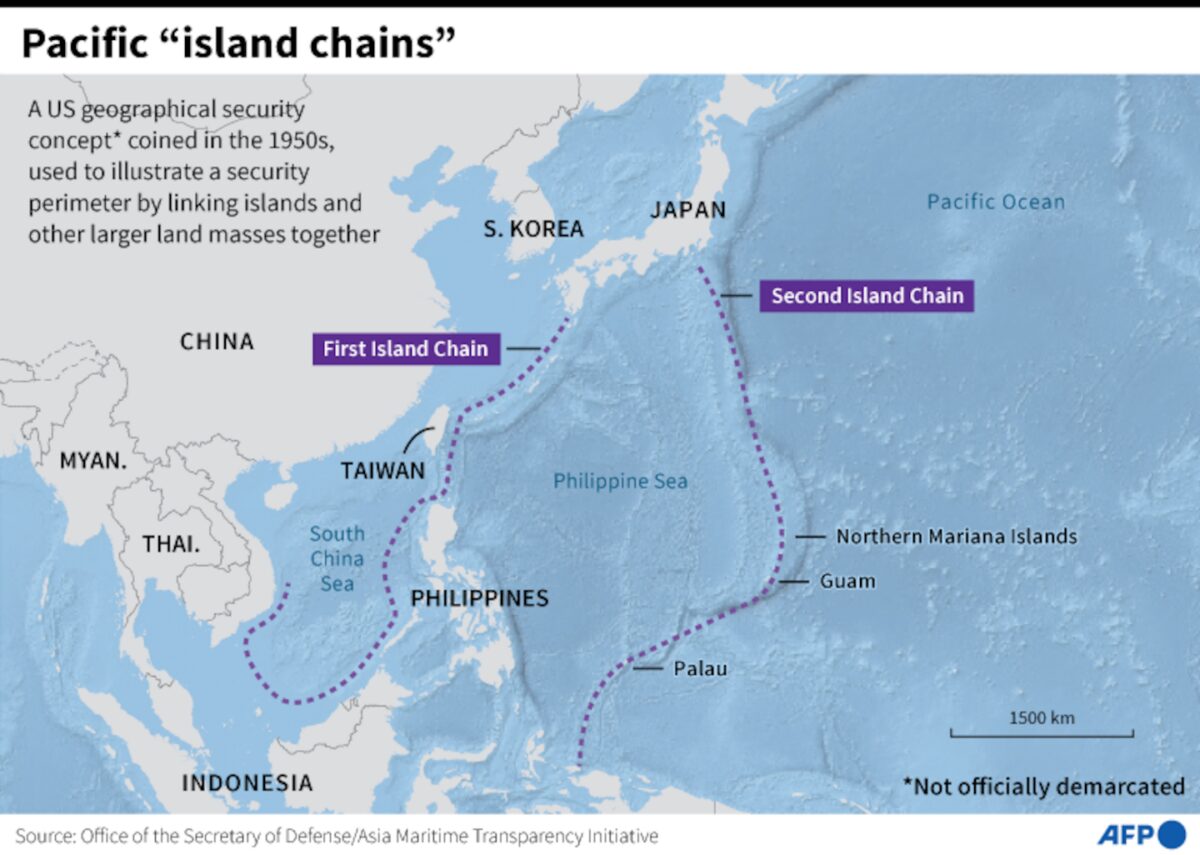
The missile’s trajectory carried it through strategically significant waters, passing through areas used by U.S. Forces based in Guam and along routes that could be critical for moving reinforcements in a potential regional conflict involving Taiwan. This demonstration raised concerns that China was showing its ability to threaten reinforcement corridors well beyond the first island chain, the arc of islands running from Japan through Taiwan to the Philippines.
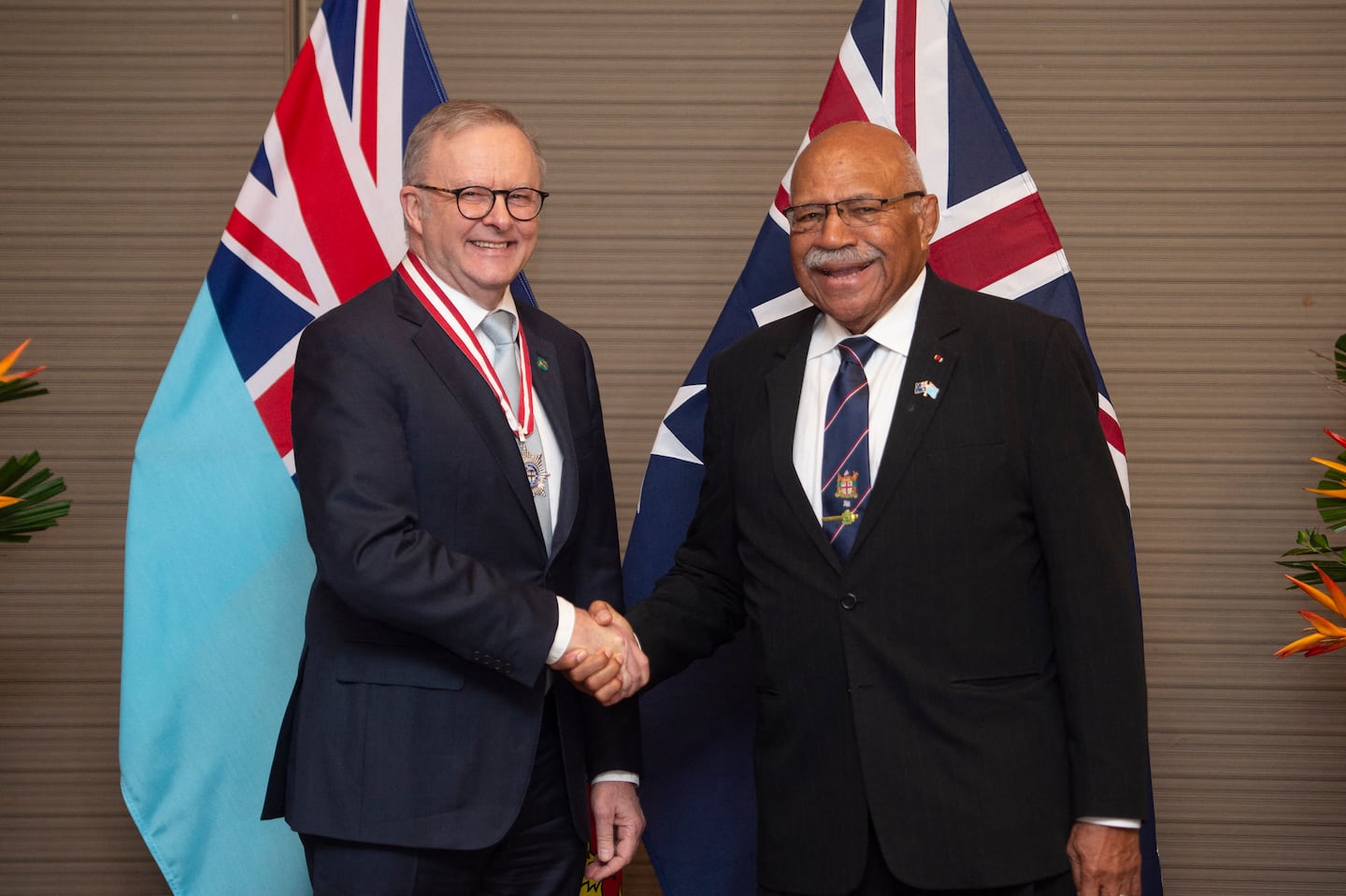
The test prompted swift criticism from multiple governments. The United States condemned what it called China’s “rapid and opaque nuclear weapons buildup” and said Beijing had provided only a few hours’ notice, falling short of standards followed by other major nuclear powers. Australia called the test destabilizing to the region. New Zealand, Japan and Taiwan all expressed serious concerns, with some noting that China had informed them only hours before the launch despite an agreement to provide advance notice.
The South Pacific island nations proved particularly vocal. The missile landed in the South Pacific Nuclear Free Zone, established by the 1986 Treaty of Rarotonga, which prohibits nuclear weapons testing in the region. China ratified the treaty’s protocols in 1987, pledging not to test nuclear weapons within the zone. Solomon Islands Prime Minister Matthew Wale said the test was not something a friend does to a friend.
Beijing brushed aside the criticism, instructing countries to avoid overinterpretation and characterizing the launch as routine annual military training. Chinese state media presented military experts arguing that the test demonstrated the country’s peaceful intentions and responsible nuclear deterrence, designed to prevent war rather than threaten regional stability.
The missile test underscores the scale of China’s rapid nuclear expansion. The Pentagon estimates that China possessed around 600 nuclear warheads as of 2024 and is on track to field more than 1,000 warheads by 2030. This expansion represents a historic shift from decades in which China maintained a relatively small arsenal of approximately 200 warheads. China is moving toward a diversified nuclear triad with land-based missiles, submarine-launched weapons, and strategic bombers, while simultaneously building new intercontinental ballistic missile silo fields and expanding its fleet of ballistic missile submarines.
Some analysts questioned whether the test served China’s strategic interests. One expert noted that the launch may have backfired by providing concrete justification for countries like Fiji to align with Australia and the United States rather than remain non-aligned. The demonstration of military capability, intended as a show of strength, instead seemed to accelerate regional security partnerships that Beijing views as constraining its influence.
The test coincided with China and Russia beginning their annual Joint Sea naval exercises, suggesting coordinated strategic messaging during a period of heightened great power competition in the Indo-Pacific. As nations across the region reassess their defense spending and military partnerships in response to China’s expanding capabilities, the July 6 launch has become a focal point for discussions about strategic stability and the evolving balance of power in Asia and the Pacific.