

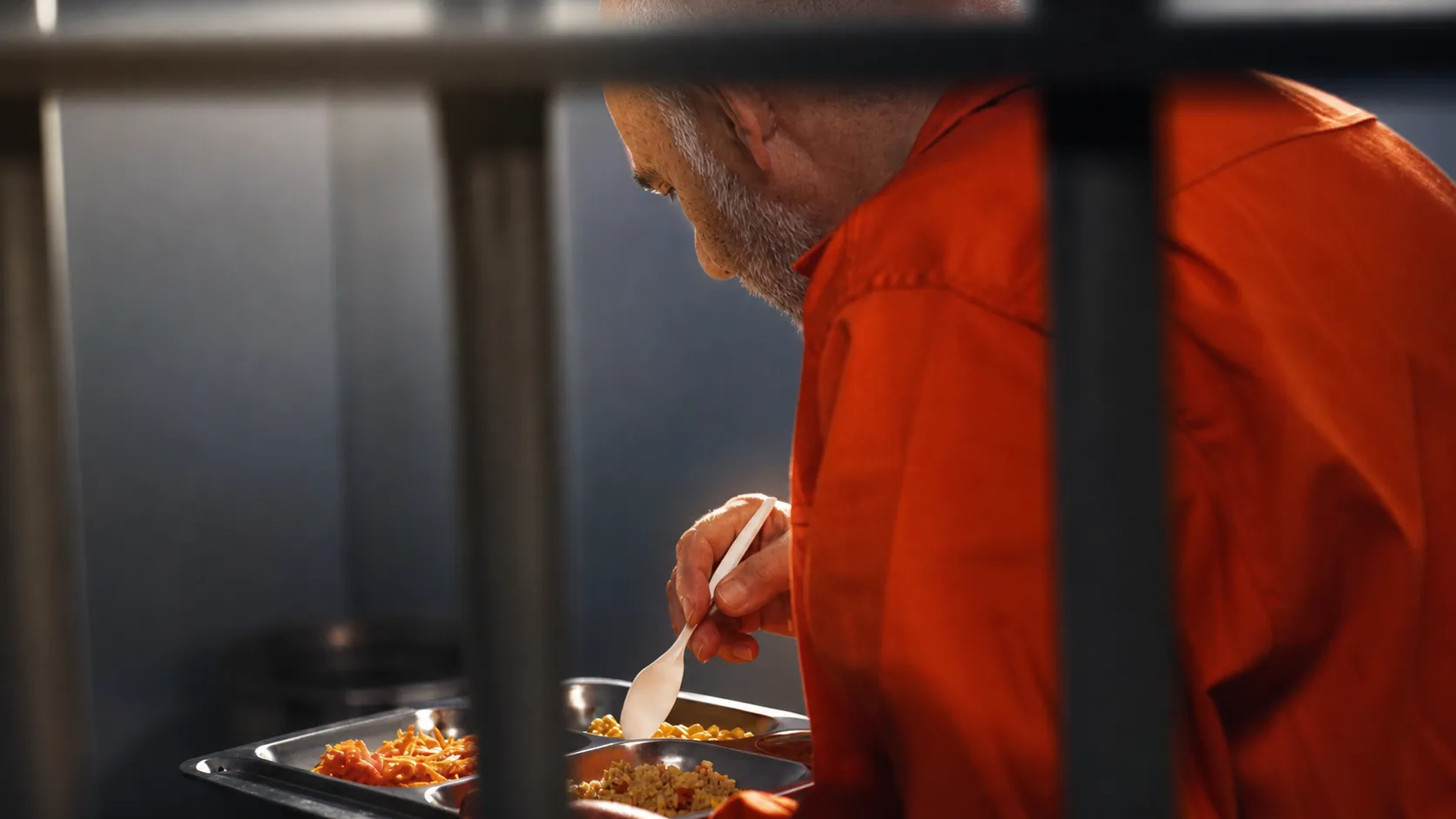
The idea of a “last meal” has a grip on people that goes far beyond casual curiosity.
It surfaces in conversations over dinner, during pub arguments, and whenever documentaries revisit the final requests of death row prisoners.
For many people, the question eventually comes up:
“What would you pick as your last ever meal?”
According to new research from Choice Mutual, plenty of Americans have a very definite answer. The company surveyed people by state and asked them what they would want for each course of a final meal, along with who they would want to cook it and who they would want beside them at the table. The study was updated in May 2026.
The results were separated into categories including starter, main, side, dessert and drink.
Participants were also asked who they would want to cook the meal, and who they would want beside them at the table.
In the United States, fascination with last meals is also tied to the reality of the death penalty, where policies differ from state to state. Texas, for example, ended special last-meal requests in 2011 after a notorious case involving Lawrence Russell Brewer, and condemned prisoners there now receive the same meal served to the rest of the prison unit that day.
When all of the responses were combined into one overall list, the item that came out on top was not steak, burgers or pizza.
Mashed potatoes took first place.
Potatoes performed especially well across the survey. French fries ranked third overall, while baked potatoes also made the list in 11th place. The results suggest that when people imagine one final meal, comfort food matters more than flash.
Dessert also featured prominently near the top of the rankings.
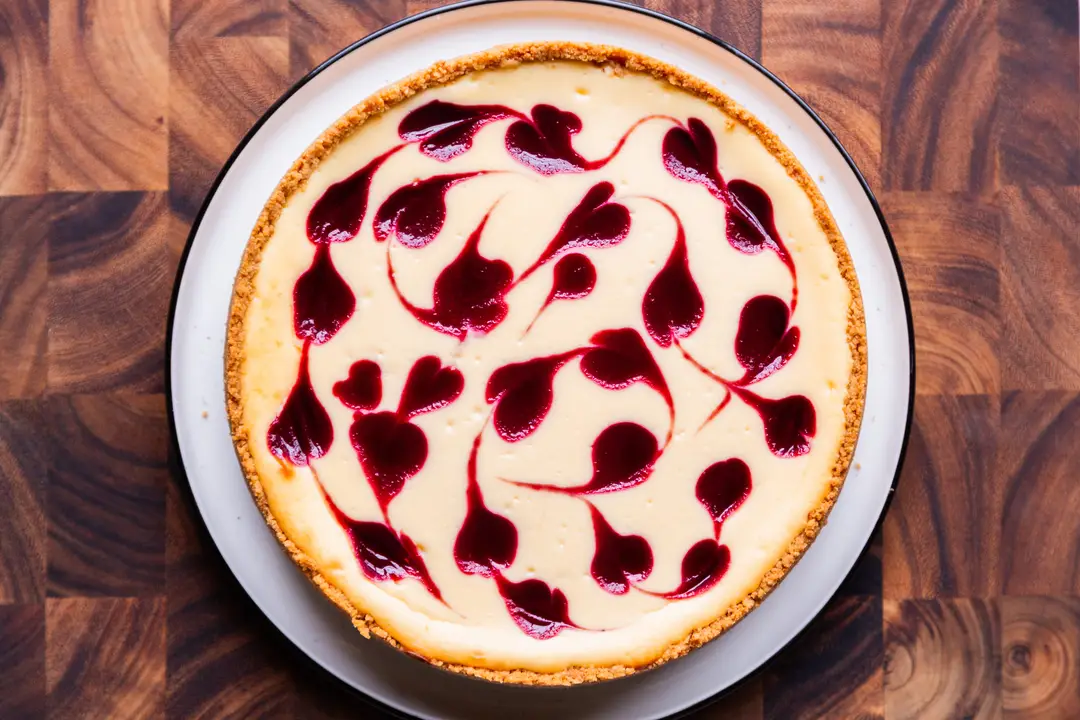
Cheesecake finished second overall, with chocolate cake in fifth. Tiramisu, lava cake and apple pie also appeared further down the rankings, landing in 16th, 18th and 21st place.
Looking at each course on its own, mozzarella sticks, salad and bread were the leading starter picks. For mains, steak, chicken and pizza were the top choices.
Among side dishes, mashed potatoes, fries and salad led the way.
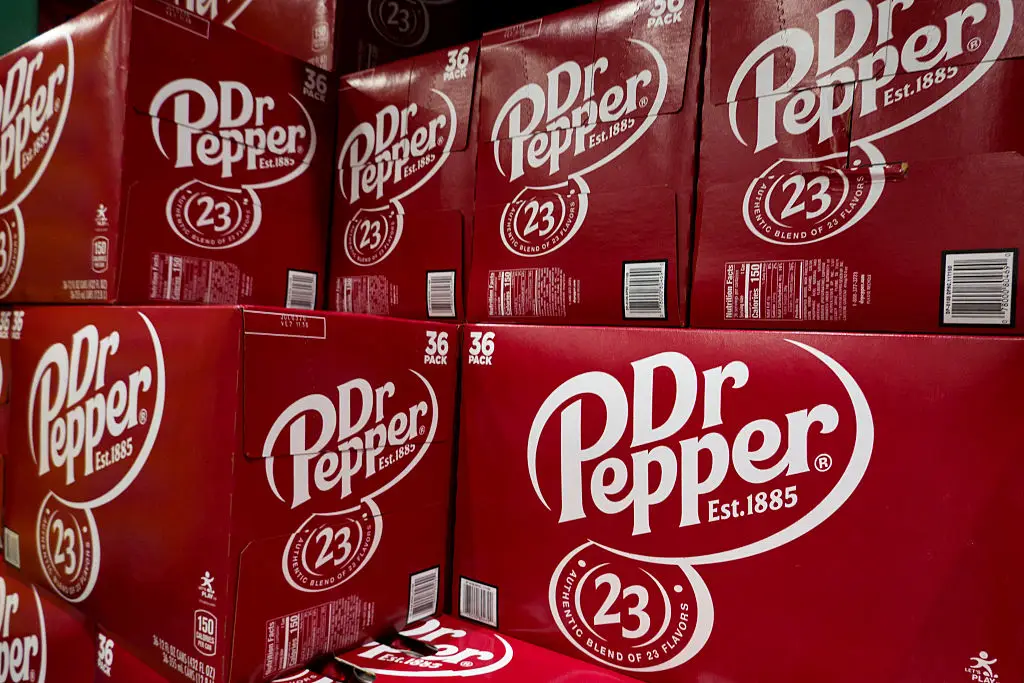
As for drinks, soda was the clear favorite.
Dr Pepper and Coca-cola were the most commonly chosen branded beverages, while water, sweet tea and beer rounded out the top five. Diet coke, Sprite and Pepsi were also popular, though they appeared lower on the list.
For those who would rather leave the cooking to a restaurant, Chick-fil-A was the most popular fast food option. In-N-Out Burger, Taco Bell, McDonald’s and Culver’s followed behind it.
Dessert preferences varied significantly from state to state. Cake was the number one choice in 25 states. Cheesecake led in nine states, including Texas, Ohio and Nevada. Ice cream came first in Arizona, Colorado, Illinois and Massachusetts, while pie topped the list in Indiana and West Virginia.
The survey also looked at who people would trust to make that meal. Just 17 percent said they would want a celebrity chef. A third said they would prefer a family member to cook, while 6 percent said they would prepare it themselves.
Company mattered too. Forty-one percent said they would want a family member with them, while a third picked their partner. Another 12 percent said they would choose to share the meal with someone who has died, and about one in nine said they would rather eat alone.
Of course, public fascination with last meals is often linked to notorious real-life cases. Over the years, some final requests from condemned prisoners have become widely remembered for how unusual, excessive or unsettling they were.
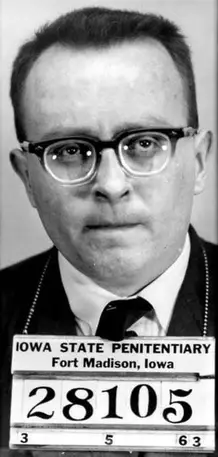
Victor Feguer kidnapped and murdered Dr Edward Bartels in July 1960. Bartels’ body was later discovered in an Illinois cornfield with a single gunshot wound to the head.
Feguer was found guilty of federal kidnapping and murder, and he was hanged at the Iowa State Penitentiary on 15 March, 1963.
For his last meal, the 27-year-old asked for a single olive with the pit still inside. He reportedly told guards he hoped an olive tree would grow from his grave
‘as a sign of peace’.
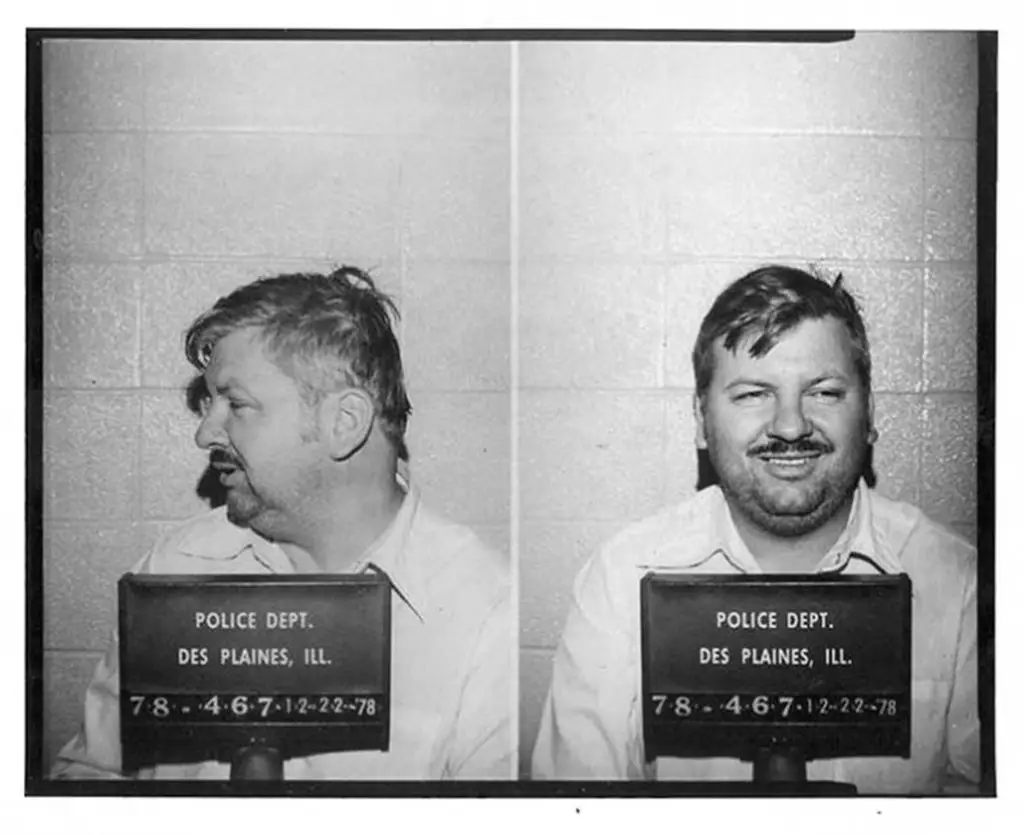
John Wayne Gacy, one of the most infamous serial killers in US history, was convicted in 1980 after murdering at least 33 boys and young men during the 1970s.
The 52-year-old was executed by lethal injection at the Stateville Correctional Center in Illinois on 10 May, 1994.
His final meal was a bucket of KFC’s original recipe chicken, French fries, 12 deep-fried shrimp and a pound of strawberries. The choice is often noted because he had previously managed several KFC restaurants owned by his father-in-law.
Smith was convicted of fatally shooting Larry Don Rohus during the robbery of an office building in Houston, Texas, in 1983.
He was executed by lethal injection at the Huntsville Unit in Texas on 26 June, 1990.
For his final meal request, he asked for a lump of rhaeakunda dirt as part of a voodoo ritual he practiced and believed would help him on the way to reincarnation.
The request was denied, and the 37-year-old was served plain yoghurt instead.
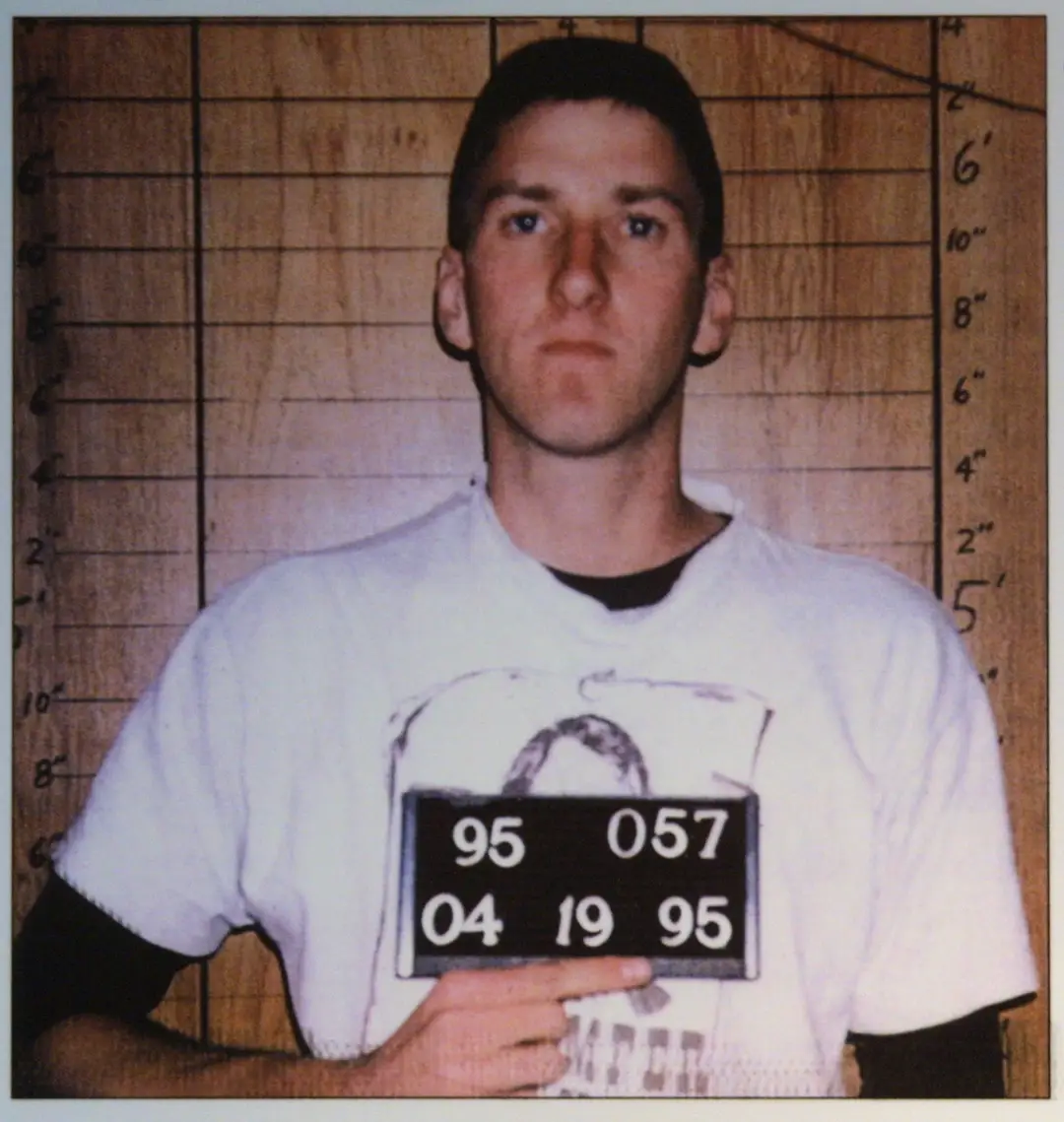
Timothy McVeigh was convicted of conspiracy, using a weapon of mass destruction, and destruction by explosives resulting in death for carrying out the Oklahoma City bombing in 1995, which killed 168 people.
He was executed by lethal injection at the Federal Correctional Complex in Indiana on 11 June, 2001.
For his last meal, McVeigh, 33, chose two pints of mint chocolate chip ice cream.
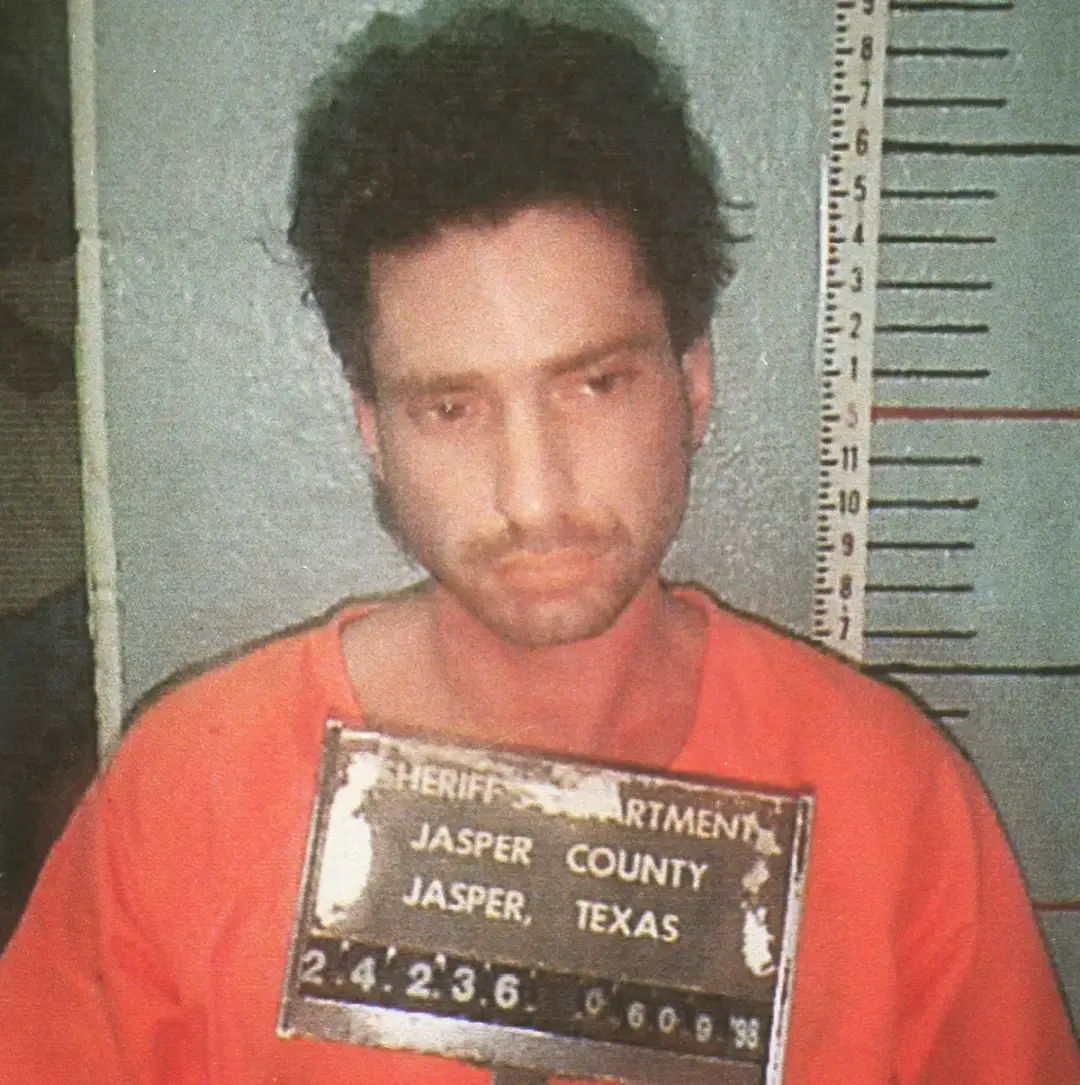
Lawrence Russell Brewer, a white supremacist, was convicted alongside two other men for the 1998 murder of James Byrd Jr.
At age 44, he was executed by lethal injection at the Huntsville Unit in Texas on 21 September, 2011.
His final meal request became notorious for its size: two chicken fried steaks covered in gravy with sliced onions; a triple bacon cheeseburger with fixings on the side; a cheese omelette with ground beef, tomatoes, onions, peppers and jalapeños; a large bowl of fried okra with ketchup; one pound of barbecue meat with half a loaf of white bread; three fajitas with all the trimmings; a Meat Lovers pizza; one pint of vanilla ice cream; a slab of peanut butter fudge; and three root beers.
When the food arrived, however, Brewer refused to eat any of it. The incident is widely cited as one of the reasons Texas ended the long-running last meal tradition.