

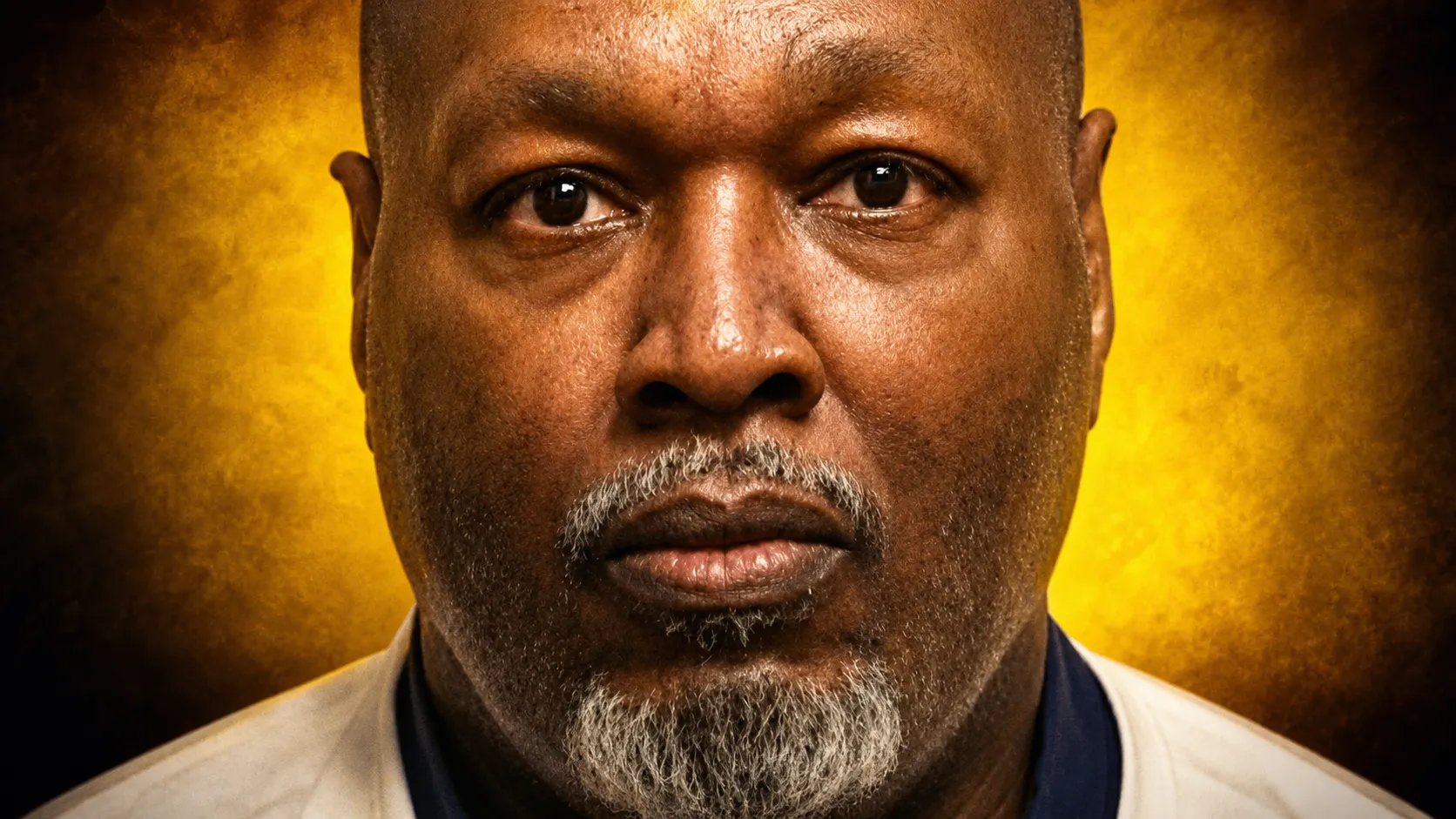
An Ohio death row inmate died from a separate illness years after officials were unable to carry out his execution.
Romell Broom had been convicted of several serious offences, among them murder, rape and kidnapping, and received a death sentence in Ohio in 1985.
He remained behind bars for the next 24 years while his appeals moved through the courts, before an execution date was finally arranged for September 15, 2009.
The state planned to put him to death by lethal injection, which was routinely used for executions there.
When the day arrived, however, the procedure could not be completed. Staff spent roughly two hours trying to find a vein so the drugs could be administered, but were unsuccessful.
During the failed effort, executioners attempted to place IV lines in 18 different spots across Broom’s arms and legs. One effort reportedly even hit bone.
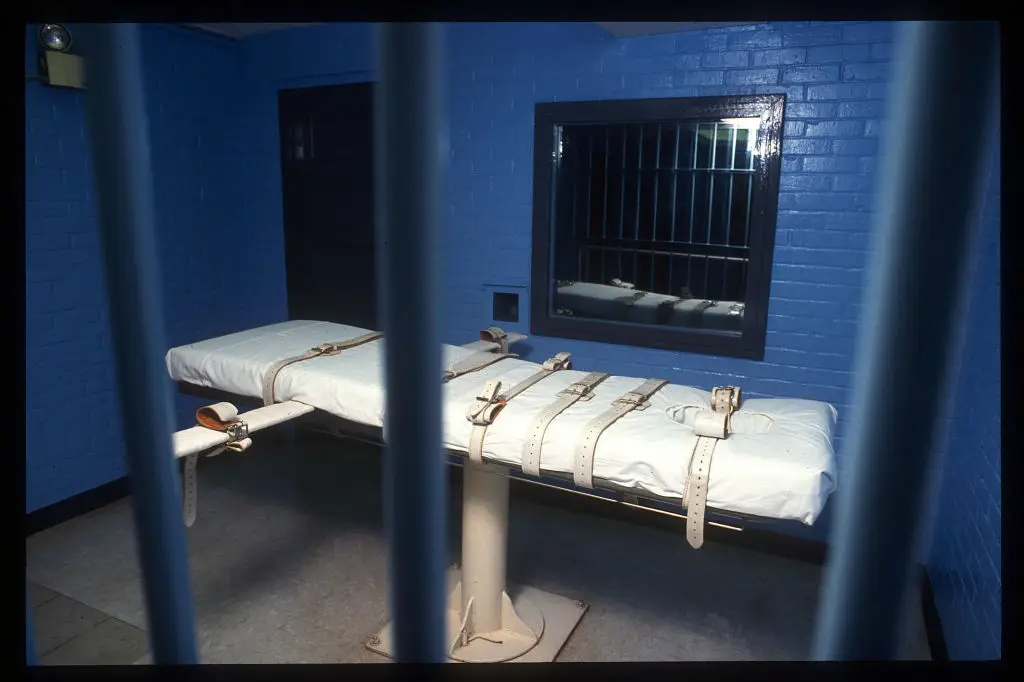
With no viable way to continue, prison staff halted the execution and pushed it back to be rescheduled later.
After that failed attempt, Broom challenged the death sentence using Ohio’s double jeopardy protections.
His legal team argued that because his life had already been put at risk during one execution attempt, the state should not be allowed to try again. The dispute eventually reached the Ohio Supreme Court.
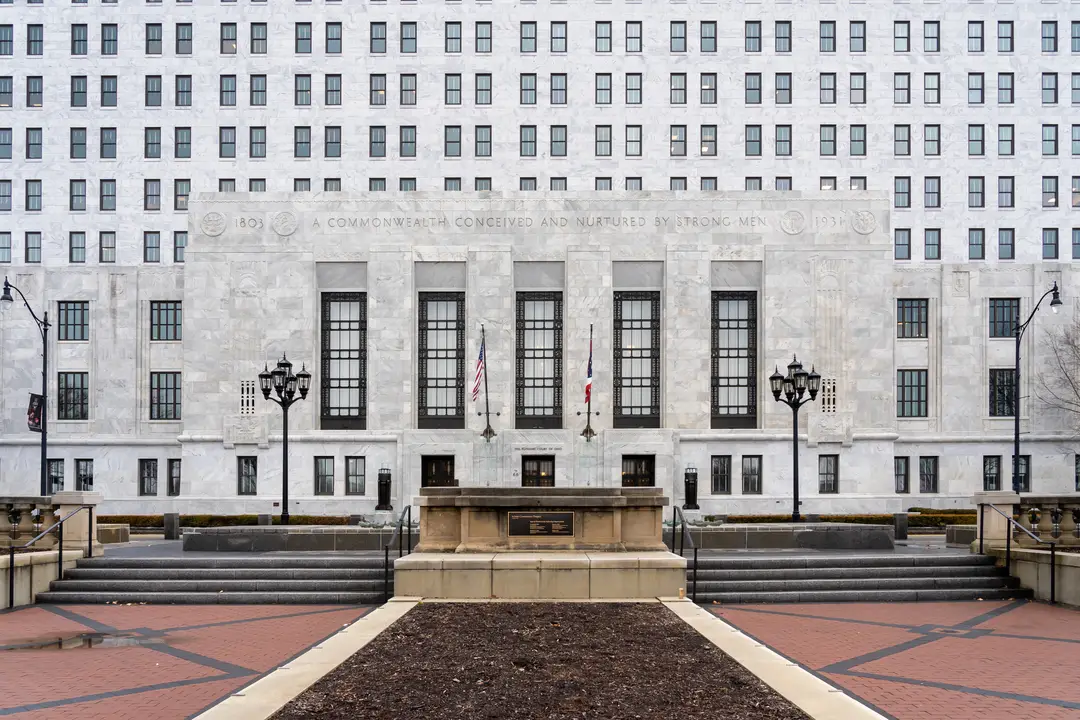
On March 16 2016, seven years after the aborted procedure, the court rejected his appeal by a 4-3 vote and cleared the way for another execution attempt.
Writing for the majority, Justice Judith Lanzinger said the earlier event did not amount to a completed execution attempt because inserting the IV was only a ‘preliminary step’, and that the execution itself would begin ‘when the lethal drug enters the IV line’.
The majority also held that ‘because the attempt did not proceed to the point of injection of a lethal drug into the IV line, jeopardy never attached’, meaning the double jeopardy argument did not apply.
In the years that followed, Broom’s case became one of the most closely watched examples of a botched execution attempt in the United States, and it continued to be cited in debates over lethal injection procedures and capital punishment generally.
A new execution date was then scheduled for June 17 2020, 35 years after Broom had first been sentenced to die.
But on April 14 that year, Governor Mike DeWine issued a reprieve because the required execution drugs were not available. The date was moved again, this time to March 16 2022, 37 years after his original sentence.
That execution never happened.
Broom died on December 28 2020 at Franklin Medical Center in Columbus, Ohio, before the rescheduled date arrived.
After years of failed and delayed efforts to execute him, the cause of death was Covid-19 as the pandemic spread through Ohio and the rest of the world.