

Colombia’s Special Jurisdiction for Peace, the transitional justice court that emerged from the country’s landmark 2016 peace agreement with the FARC rebel group, now faces an uncertain future as the nation’s newly elected president promises to dismantle it.
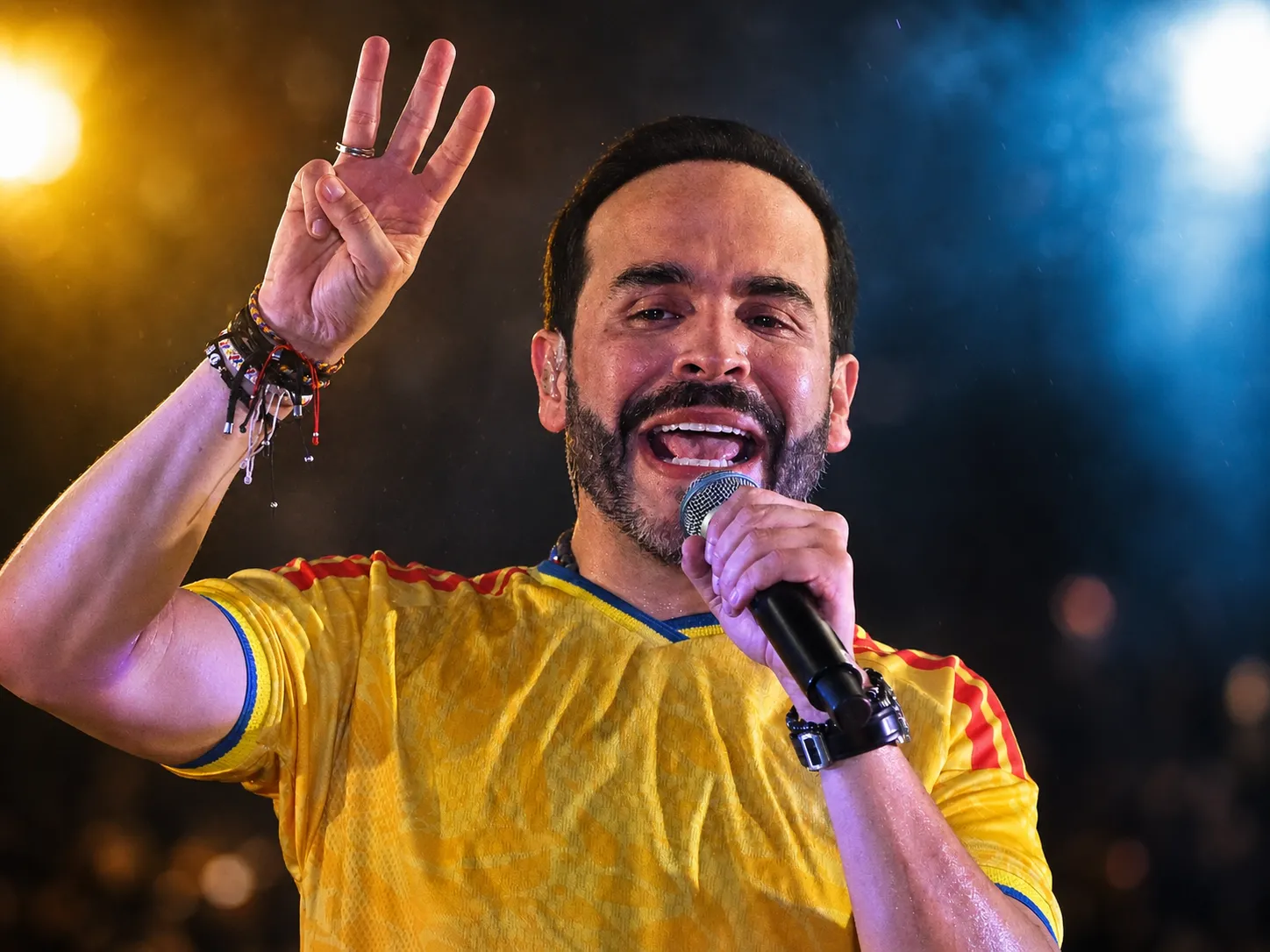
Abelardo de la Espriella, a far-right lawyer and political outsider, won Colombia’s presidential runoff on June 21 with 49.66 percent of the vote, edging out leftist senator Iván Cepeda by less than 250,000 votes. He is scheduled to take office on August 7. Throughout his campaign, de la Espriella harshly criticized the Special Jurisdiction for Peace, known by its Spanish acronym JEP, calling it a “bodrio”—a worthless contraption—and a “political directory disguised as a tribunal.”
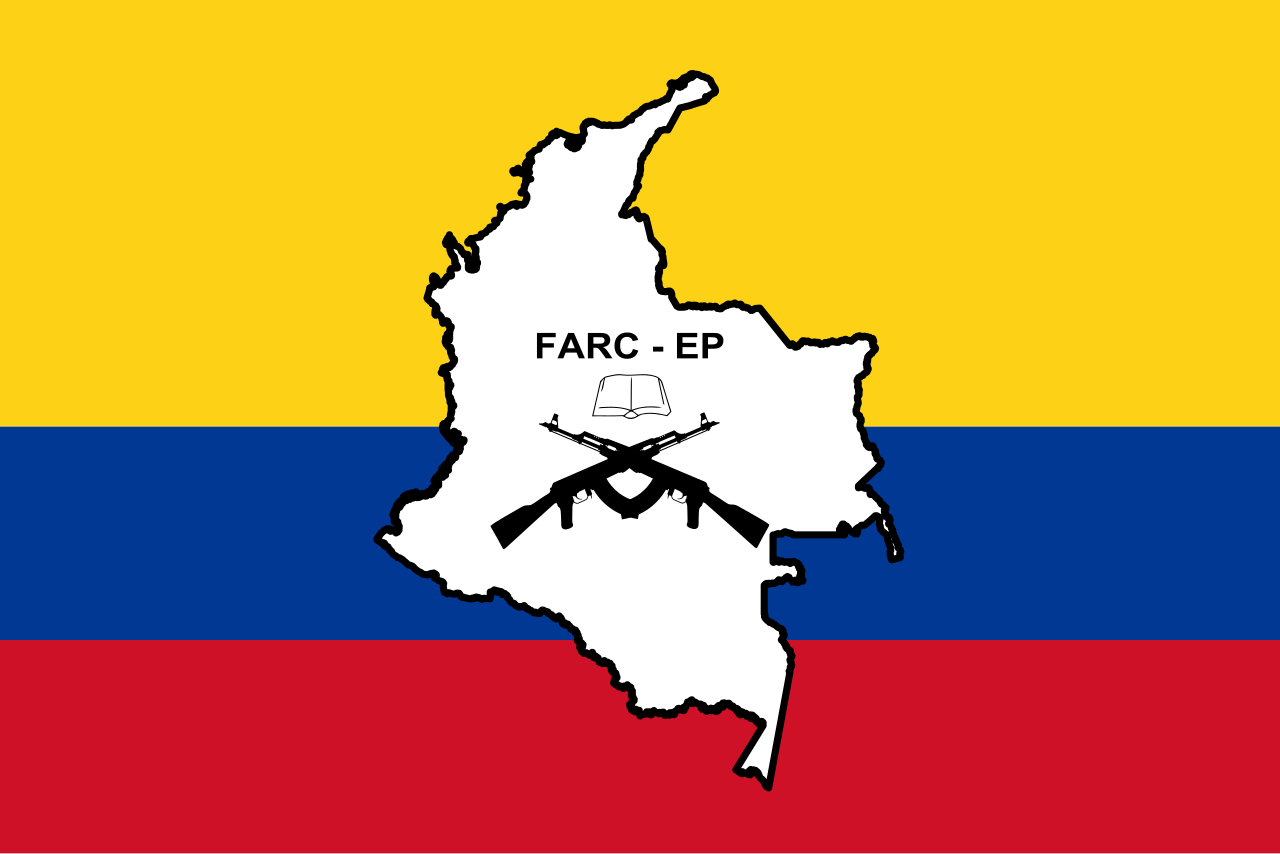
The court has been central to Colombia’s efforts to address five decades of armed conflict. Created through a constitutional amendment as part of the 2016 peace agreement, the JEP investigates and prosecutes crimes committed during the conflict by FARC members, state security forces, and civilians. Rather than imposing lengthy prison sentences, the system prioritizes truth-telling and victim reparations. Those who provide complete confessions and assist victims can receive reduced sentences. In 2025, the court issued its first major verdicts, convicting seven former FARC leaders for kidnapping thousands of people.
De la Espriella has argued that the JEP has failed to deliver justice and has wasted public resources. He promised during the campaign to reduce spending on the court and to end what he views as inadequate accountability. His criticisms echoed those of Álvaro Uribe, the former president who opposed the peace agreement from the start and remains a powerful force in Colombian conservative politics.
However, legal experts and constitutional scholars warn that eliminating the court will prove far more difficult than campaign rhetoric suggested. The JEP’s constitutional status places it beyond the reach of a presidential decree. Dismantling it would require a constitutional reform approved by Congress through a new legislative act, a process that experts say is unlikely to succeed. Unlike peace negotiations, which a president can theoretically terminate unilaterally, the court is embedded in Colombia’s constitution itself through a 2017 legislative act.
Multiple analysts have pointed out that de la Espriella has already indicated opposition to a constitutional reform, complicating any effort to formally abolish the institution. Legal scholar Nicolás Mayorga from La Sabana University noted that while the president-elect could theoretically attempt to undermine the court through budget cuts, delegitimization campaigns, or selective compliance with its rulings, full elimination would be constitutionally off-limits.
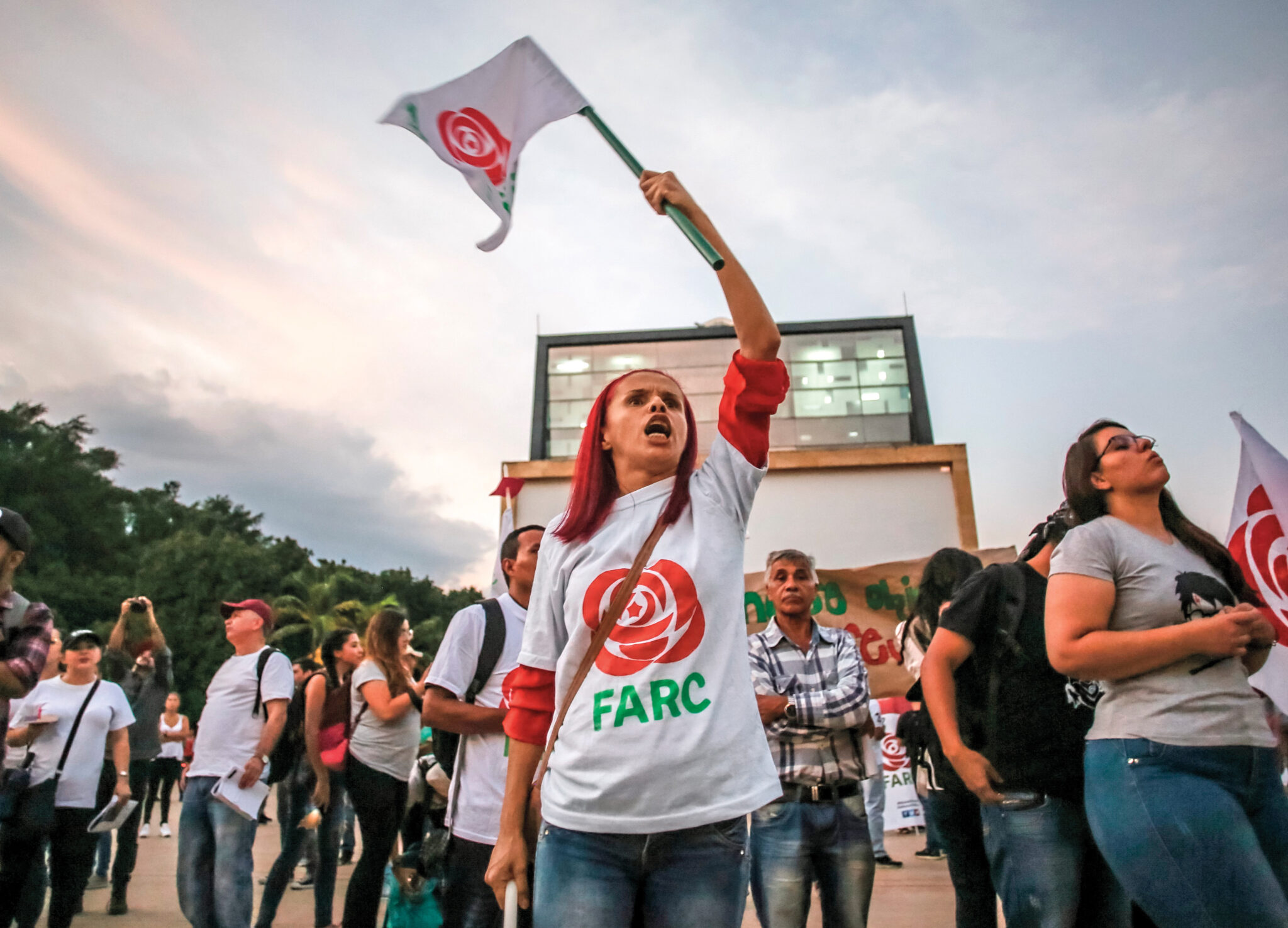
The international community has also signaled resistance to dismantling the court. The International Criminal Court has warned Colombia that interference with the JEP could activate its intervention. The court is recognized by the United Nations Security Council and is part of a comprehensive transitional justice system encompassing truth commissions, reparations programs, and searches for missing persons. In late June, signatories to the original peace agreement, including former FARC commanders, reaffirmed their commitment to the accord and urged the incoming government to prioritize its implementation in the next national development plan.
De la Espriella’s victory represents a sharp ideological reversal. Just four years after Colombians elected Gustavo Petro, the nation’s first leftist president who promised to fully implement the peace agreement, voters chose a candidate who openly opposes it. The margin of victory was extraordinarily tight—less than one percentage point—and blank and null votes together outnumbered his margin of victory. Roughly half the country did not support him, complicating any claim to a clear mandate.
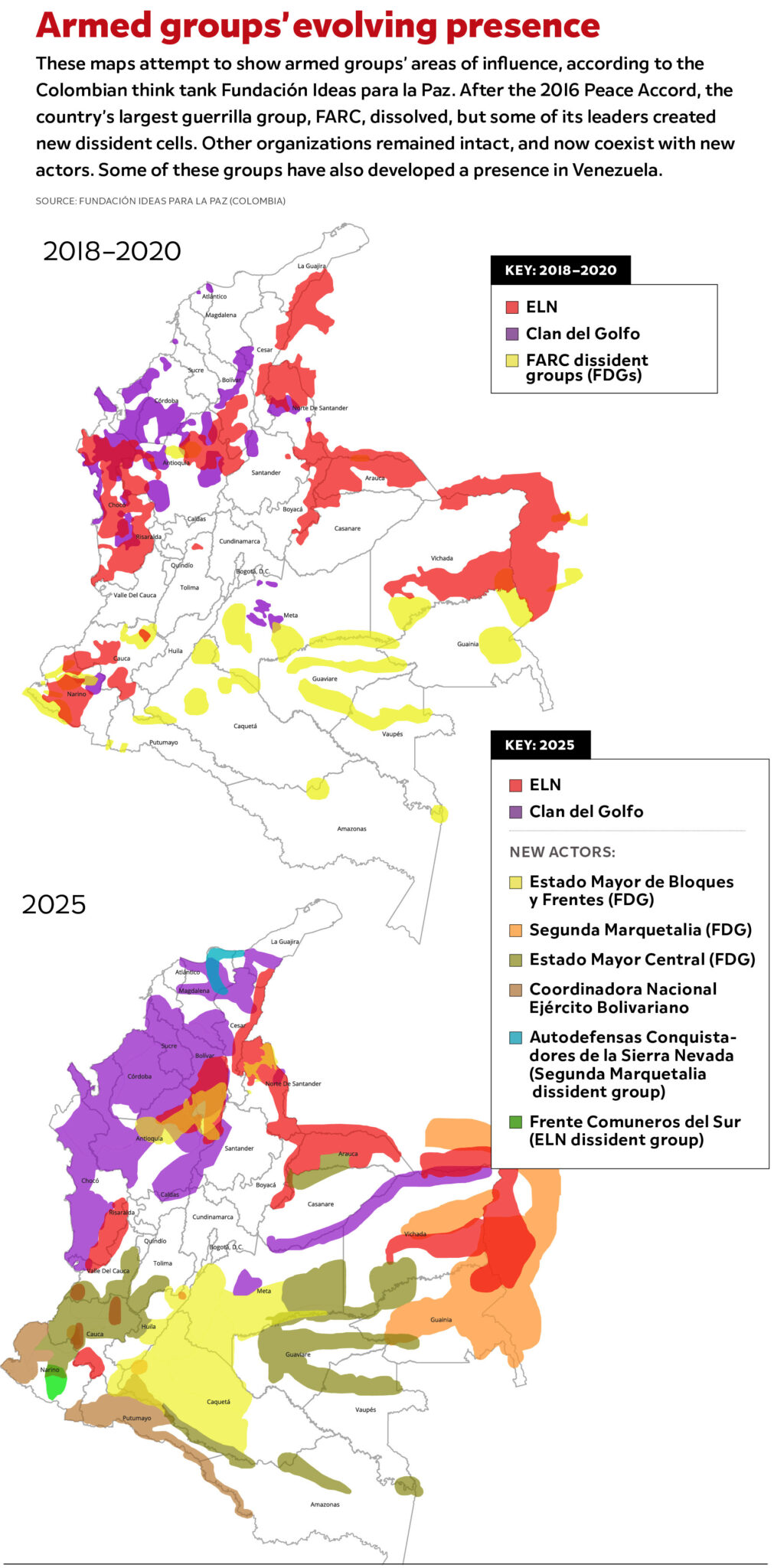
The election exposed deep geographic divides in Colombia. Regions most devastated by the decades of conflict, including Caquetá, Chocó, and Valle del Cauca, voted overwhelmingly for Cepeda and his promise to continue peace negotiations with armed groups. De la Espriella’s support was concentrated in Colombia’s central regions, which were less affected by violence.
De la Espriella’s victory also marks a broader rightward shift across Latin America. He received the endorsement of U.S. President Donald Trump and joins a wave of conservative populists assuming power in countries including Argentina, Chile, Ecuador, El Salvador, and Honduras. He has promised to take a hardline security approach, scrapping Petro’s “Total Peace” initiative and launching intensive military operations against armed groups. He has also pledged to cut government spending by up to 40 percent, lower taxes, and boost the oil and gas sector.
The incoming president has proposed other controversial actions, including withdrawing Colombia from the United Nations, the Inter-American Court of Human Rights, and the Inter-American Human Rights System. He has promised to restore diplomatic ties with Israel, reversing Petro’s move to cut off trade relations over the Gaza conflict.
The fate of the peace agreement more broadly remains unclear. While de la Espriella may not be able to eliminate the JEP entirely, experts warn that he could weaken it substantially through budget constraints, reduced cooperation, and political pressure. The court must complete its work on 11 major cases and issue all accusations and final determinations within constitutional deadlines. Whether a hostile administration will provide the resources and political support necessary for the court to fulfill its mission remains one of the central questions facing Colombia’s transitional justice process.