

When two steel columns buckled this week inside the former Pfizer headquarters in midtown Manhattan, the scare prompted evacuations and halted work on one of the nation’s largest office-to-apartment conversions. It also highlighted the complex engineering behind adaptive reuse projects, which have become increasingly popular as officials try to tackle a nationwide housing shortage by transforming offices that have sat underused since the COVID-19 pandemic.
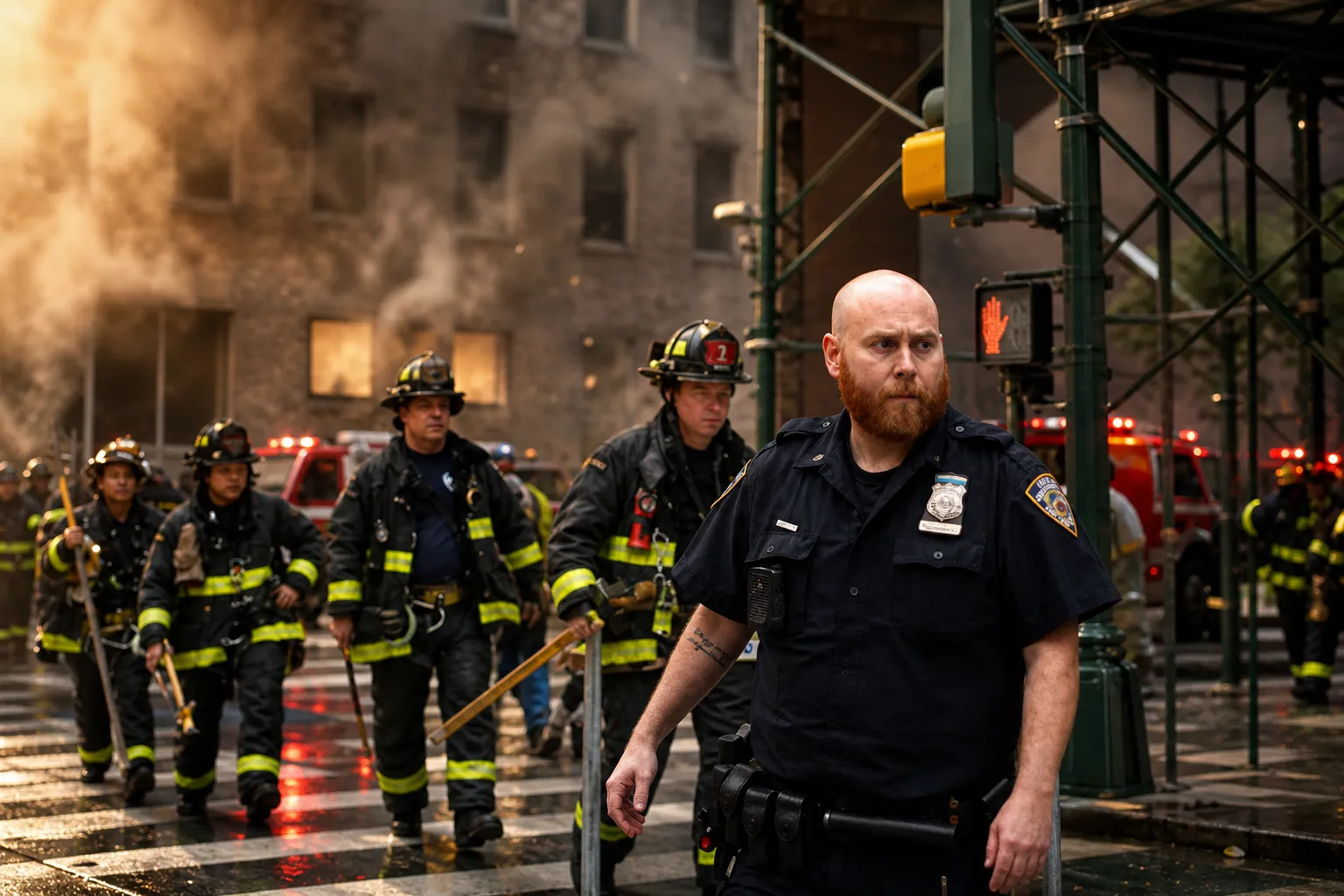
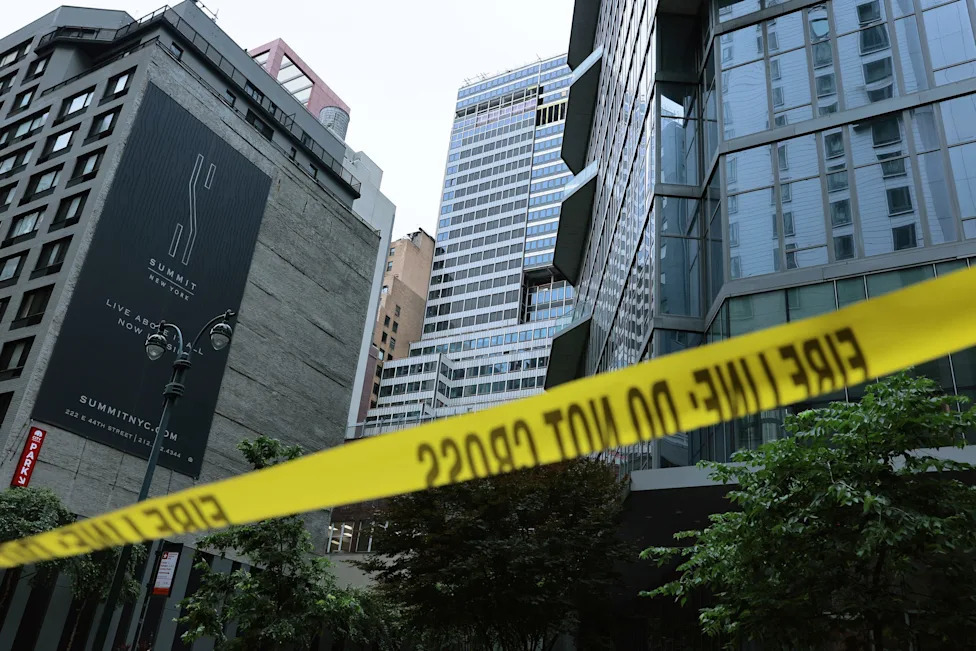
The incident occurred early Tuesday morning when construction workers discovered buckling beams and sagging floors on the 21st floor of the 37-story structure located at 235 East 42nd Street. The discovery prompted immediate evacuations of the building and several nearby structures, including a summer camp for 400 children at the Kennedy International School. Multiple city blocks were closed to foot and vehicle traffic as officials feared a potential partial collapse. After emergency stabilization work was completed, the building was deemed stable by New York City officials, and some nearby residents were allowed to return.
The ambitious project at the heart of this incident is slated to become New York City’s largest office-to-residential conversion in history. The plans call for turning two office buildings—one built in 1909, the other in the 1960s—into approximately 1,600 apartments by adding more than a dozen stories atop the older structure and redesigning and expanding the other. The converted buildings will feature amenities such as a rooftop pool and fitness center. Construction on the property began in 2024, with a projected completion date of 2027.
The Pfizer building has been vacant since the pharmaceutical company relocated to a new office near Penn Station in 2023, leaving an empty property in the heart of one of New York’s most prestigious business corridors, just a block from Grand Central Terminal and near the iconic Chrysler Building.
Office-to-apartment conversions have surged since the pandemic emptied out aging office buildings, offering cities a way to add desperately needed housing. New York City has championed these conversions, offering tax incentives to turn older vacant office buildings into livable spaces. A report from the New York City comptroller’s office noted there are 44 adaptive reuse projects in the city that, as of early 2025, had either been completed, were underway or could move forward.
Yet the Manhattan incident has raised questions about the feasibility and safety of such undertakings. Engineering experts said the conversion project is complex and poses many challenges, which include making sure older buildings can safely support new loads and carving up office floors to accommodate residential living. A principal at Gensler, the architectural firm leading the project, previously likened the work to “surgery,” noting there are “technical challenges and unique conditions from floor to floor” that collectively make the project “probably more challenging than any other one I can think of.”
The structural challenges are significant because office and residential buildings have fundamentally different requirements. Apartments need multiple windows and natural light from multiple directions, while offices are often built with large, open floor plates suitable for cubicles and workspaces. Adding residential units means subdividing those massive spaces and creating enclosed units with adequate natural light—requiring structural modifications that can prove hazardous.
Engineers pointed out that Midtown Manhattan offices are particularly difficult to convert. Offices in Midtown are more complex than other areas of the city, while older Soho lofts and prewar buildings with fewer floors in Lower Manhattan are both easier to work with. Additionally, construction costs in Manhattan are exceptionally expensive, and construction and debris removal pose unique logistical challenges on an island with limited space.
Despite the high-profile setback, structural engineering experts emphasized that the incident should not cast doubt on the ability of engineers to complete such projects. Ben Schafer, a structural engineering professor at Johns Hopkins University, said the problem does not bring into question engineers’ understanding of how to execute conversions. James LaFave, a structural engineering professor at the University of Illinois, noted that a steel-framed building from the 1960s, like the Pfizer structure, would typically be a “very good” starting point for a conversion.
Joshua Harris, director of Fordham University’s Real Estate Institute, characterized the incident as inevitable given the complexity of the work. “These are very, very complicated surgical procedures being done to very old buildings,” Harris said. “This is part of the reality of fixing the housing crisis. Things like this can happen.” He added that office conversions are essential to solving housing shortages in New York and other cities, even if they come with risk.

Experts suggested the incident would likely serve as a wake-up call for the industry. Harris predicted that if the Pfizer building had a problem, other projects that have been approved would undergo additional review to ensure they don’t face similar issues. The incident may prompt scrutiny of oversight and construction practices across the city’s growing portfolio of adaptive reuse projects, which are transforming once sleepy business districts into 24-hour neighborhoods.
The path forward remains clear despite the setback. City leaders remain committed to office conversions as a critical tool to address the city’s worst housing affordability crisis in decades. In 2024, New York City updated its zoning code to allow non-residential buildings like offices to be converted into housing, removing restrictions that previously limited conversions to preserve commercial space.