

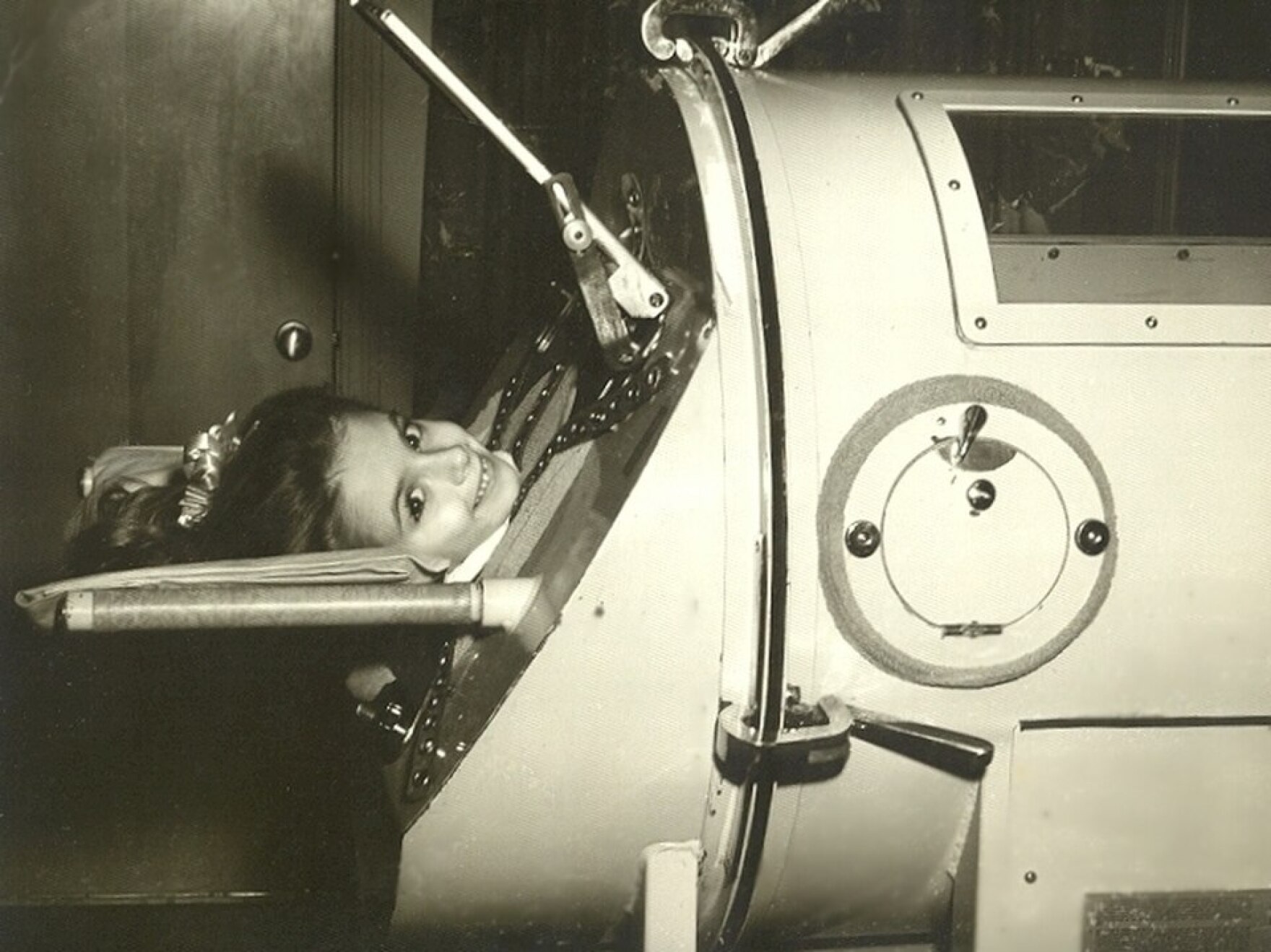
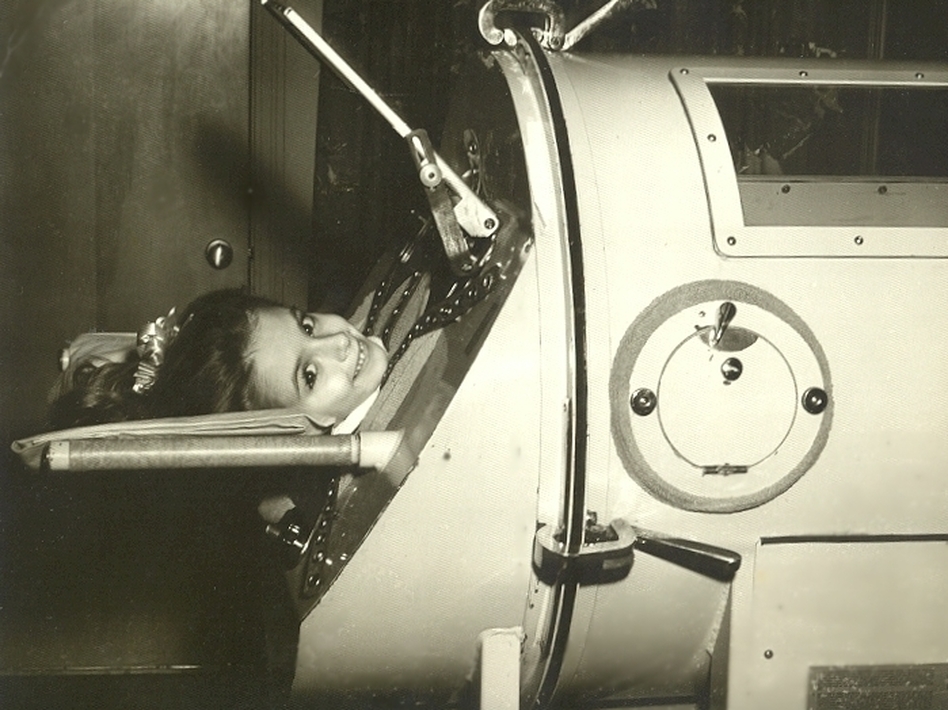
Martha Ann Lillard, the last American to rely on an iron lung, has died at age 78 in Shawnee, Oklahoma. She passed away on June 26 from complications of long-haul COVID-19, just eight days after speaking with a local television station about her desperate need for repairs to the decades-old machine that had sustained her for 73 years.
Lillard contracted polio on her fifth birthday in 1953, when she woke up with a sore throat and severe neck pain. Within four days, she fell unconscious, unable to breathe or move her arms and legs. She spent six months in the hospital, initially spending 23 hours a day in the iron lung while her damaged lungs relearned how to function. The machine that saved her life would never leave her side.
The timing of her illness was tragic and deliberate. Lillard’s family had celebrated her birthday at Joyland, an amusement park in Kansas, on June 8. Eleven days later, the poliovirus had paralyzed her. She had contracted the disease just two years before Jonas Salk’s polio vaccine was officially declared safe and effective in 1955. In 1953 alone, 35,000 Americans contracted polio, and about half of them were paralyzed.
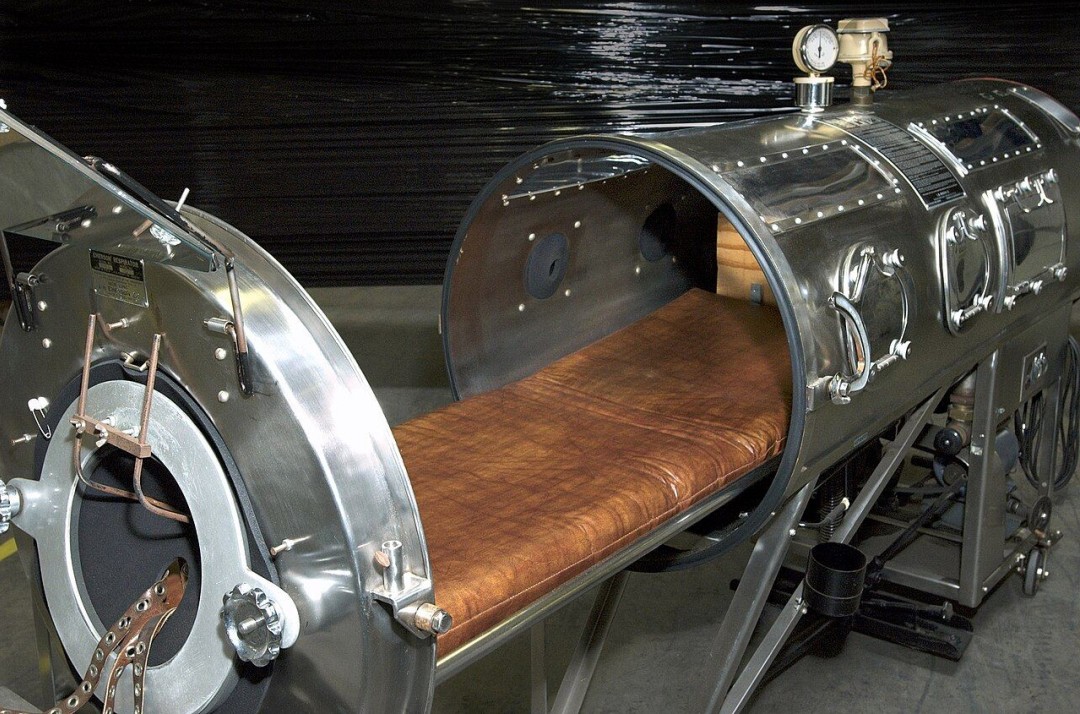
An iron lung is a large metal chamber about 7 feet long in which patients lie with only their heads outside. A seal around the patient’s neck creates a vacuum, and bellows at the base of the machine do the work of a human diaphragm, creating the negative pressure that allows air to flow into the lungs and the positive pressure that allows exhalation. In Lillard’s case, the device used External Negative Pressure Ventilation to facilitate steady breathing.
Over the decades, as polio was eradicated through childhood immunizations, the iron lung became obsolete. Most other polio survivors transitioned to more modern ventilators. But Lillard refused. She had tried all available alternatives, she explained, but none could generate the 21 pounds of pressure per square inch that her lungs required. “None of them could get up to 21 pounds per square inch, which is what I needed to breathe,” she said. “So they just weren’t effective.”
In her healthiest years, Lillard achieved a remarkable independence. She used the iron lung only at night, about nine hours while she slept, and spent her days living outside the machine. She taught herself to walk again despite her paralysis, though her right arm remained permanently disabled. Her grandfather had even retrofitted her iron lung, adding a secondary motor so she could open the hatch from inside. She lived independently, fixing her own meals and caring for herself, volunteering at the Pottawatomie County Humane Society, a local daycare center, and a crisis phone line in Shawnee.
Lillard was an artist and musician of considerable talent. She created hundreds of paintings and wrote poetry throughout her life. Despite living with only 25 percent lung capacity, scoliosis, and her paralyzed right arm, she composed music for the left-handed piano. She also loved animals, rescuing dogs and lizards over the years.
Her independence lasted until the COVID-19 pandemic. Lillard contracted COVID-19 twice and then developed long-haul COVID-19, a devastating long-term complication of the virus. As her health deteriorated, her time in the iron lung increased dramatically. In the last eight months of her life, she was confined to the machine 24 hours a day. She also developed post-polio syndrome, a debilitating long-term effect of the original poliovirus infection that caused progressive weakness and fatigue.
The aging iron lung itself began to fail. The machine, which dated back to the 1940s, started breaking down in the 1990s, and Lillard had searched desperately for replacement parts ever since. Some components came from vehicles manufactured in the 1940s and were nearly impossible to locate. Her sister, Cindy McVey, explained the impossible situation the family faced: “Some of the parts are from the chevs of the forties, and they’re hard to locate. We have a spare motor, but we don’t have anyone to put it back in if we needed it.”
The fragility of Lillard’s situation became starkly clear last year when a tornado knocked out power to her home. Her backup emergency generator failed to start. Her husband, Baha Seleh, whom she had met in a Yahoo chat room in 2005 and married in February 2026, performed mouth-to-mouth resuscitation until help arrived. She struggled with access to healthcare and faced a dwindling number of technicians who understood the mechanics of her low-tech respirator.
Three weeks before her death, desperate for help with repairs, Lillard invited a local news crew to her home to publicize her plight. She hoped the media attention might help her find someone who could repair or even replace her failing machine. Eight days after that interview, she died.
Lillard is survived by her husband Baha Seleh, her sister Cindy, and numerous cousins, nieces, and nephews. She left behind not only the artistic legacy of her paintings, poems, and compositions but also a living testimony to human resilience in the face of devastating disease. Her life spanned the era before polio vaccines were available to the moment when polio was nearly eradicated in America, a journey that illustrated both the cruelty of disease and the power of medical innovation to sustain life against nearly impossible odds.