


A popular vacation hotspot has been added to the list of destinations where travelers are being urged to stay more alert, following an updated advisory from the US Government.
As summer travel ramps up and temperatures rise across much of the US, many people are looking abroad for a break.
For plenty of American travelers, that usually means heading to well-known getaway spots in the Caribbean, South America, or long-haul favorites such as Bali and Thailand.
But for anyone dreaming of white-sand beaches, tropical weather, and days spent relaxing with a drink in hand, there’s now a fresh warning to consider.
One of those sought-after destinations has been placed under a Level 2 “Exercise Increased Caution” advisory because of crime concerns.
The notice is especially significant given how heavily the destination relies on American tourism. Turks and Caicos has long been a top Caribbean escape for US visitors, with American travelers making up the majority of arrivals there.
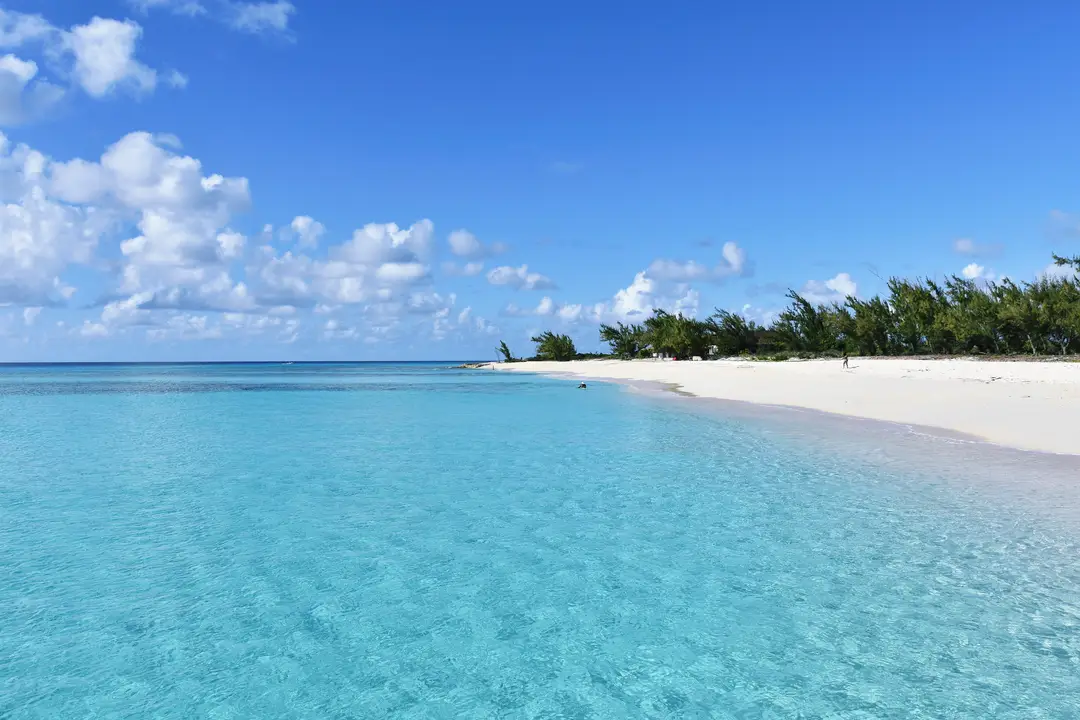
That destination is the British Overseas Territory of Turks and Caicos, a place widely associated with upscale resorts and striking ocean views.
However, anyone planning a trip to the beaches of Grand Turk or elsewhere in the islands may want to check the latest guidance before booking or traveling.
US officials say Providenciales, the main tourism hub in the Turks and Caicos Islands, sees the highest level of crime in the territory. The State Department’s most recent update, issued on July 7, 2026, says there are no changes to the advisory level or risk indicators, but the advisory summary was refreshed.
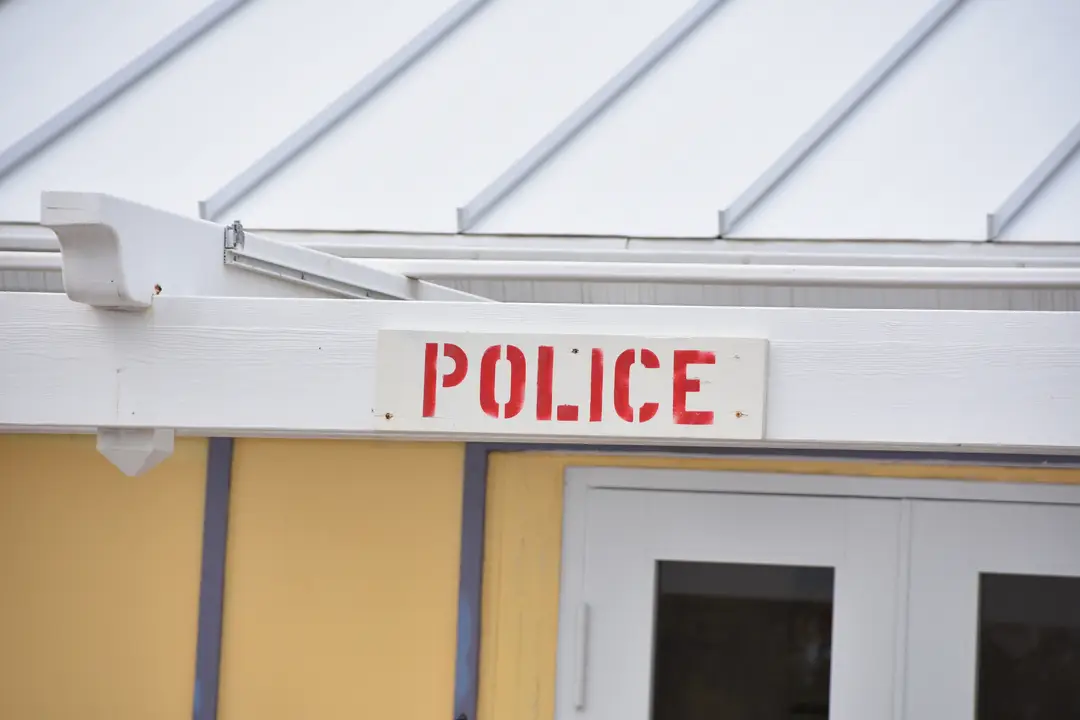
Even travelers only passing through Providenciales International Airport (PLS) on the way to another island are being advised to stay aware. State Department officials say police there “may have limited resources to investigate crimes”, and add that “there have been reports of sexual assaults in the Turks and Caicos Islands.”
The advisory also states that “petty crime is common, especially in popular tourist locations” and warns that visitors ‘may encounter aggressive vendors’ attempting to scam them.
According to the notice, some may offer “‘free’ gifts ‘that lead to money demands’.”
Even so, the update notes that tourist police may be available to assist in certain cases.
The State Department further says that “most crimes against foreigners are crimes of opportunity, like purse snatching and pickpocketing,” and that “tourists should beware of overcharging and scams in tourist areas.”
If a visitor is targeted by scammers or becomes the victim of a crime, the guidance recommends reaching out to the U.S. Embassy Nassau in The Bahamas, which assists US citizens in the Turks and Caicos Islands. The U.S. Consular agency in Providenciales is permanently closed, so embassy support now comes through Nassau.
Visit Turks and Caicos also says, “muggings and armed robberies, where victims are confronted by one or more armed criminals, are somewhat common” and adds that “victims may be targeted if they are thought to be carrying large amounts of cash or jewelry, or are easy targets.”
It also says incidents involving home invasions, theft, and spiked drinks have been reported in Providenciales.
Travelers are advised not to walk alone at night and to avoid using ATMs after dark.
The warning comes as Turks and Caicos continues to draw record visitor numbers. Official tourism data show the islands remain heavily dependent on the US market, while new flight connections and luxury resort growth have kept the destination firmly on the radar of American vacationers.
For many travelers, that mix of easy access, year-round sunshine, and postcard beaches is exactly what makes the islands so popular. Providenciales, in particular, remains the center of the islands’ tourism industry, with Grace Bay and other resort areas among the best-known spots in the Caribbean.
Even with the caution advisory in place, the State Department is not advising Americans to avoid Turks and Caicos altogether. Instead, it is urging travelers to stay alert, use common sense, and take extra care in tourist areas where petty crime and scams are more likely.