

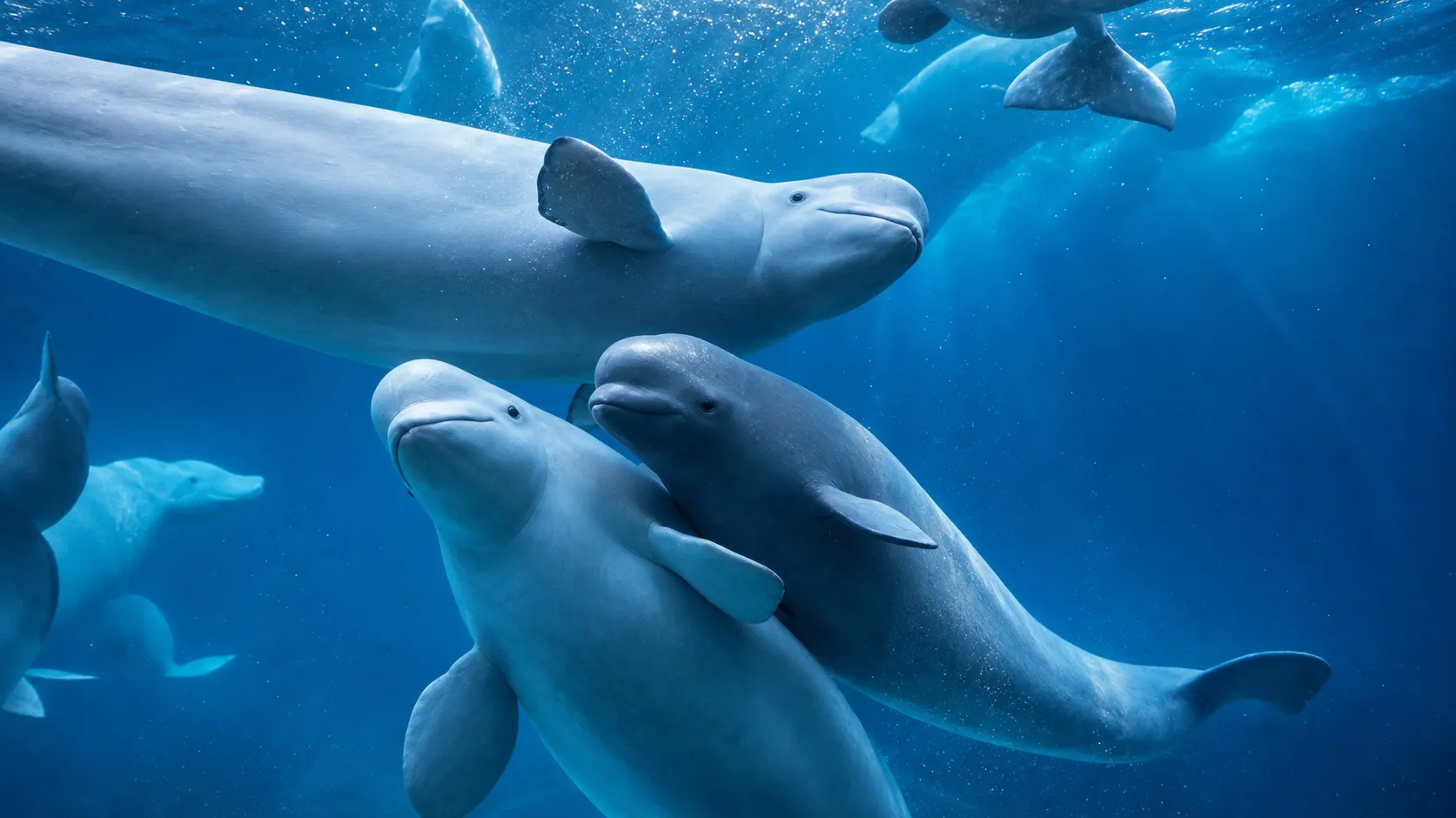
A major international animal rescue effort has now been approved, clearing the way for 30 beluga whales stranded at a shuttered Canadian marine park to be moved out.
US authorities have signed off on an emergency import plan for the large group of whales currently held at the former Marineland site in Niagara Falls, Ontario, after Canadian officials had already endorsed a rescue proposal for the animals.
The approval follows months of uncertainty and public alarm after the facility’s operators issued a stark warning about the animals’ future.
Marineland closed to the public after the death of owner Marie Holer in 2024, and reports have said the park was spending around $2 million each month to care for the animals despite having no admission income.
As finances deteriorated, management triggered widespread backlash by saying all 30 belugas and four dolphins could be euthanized unless emergency funding arrived or export authorization was granted.
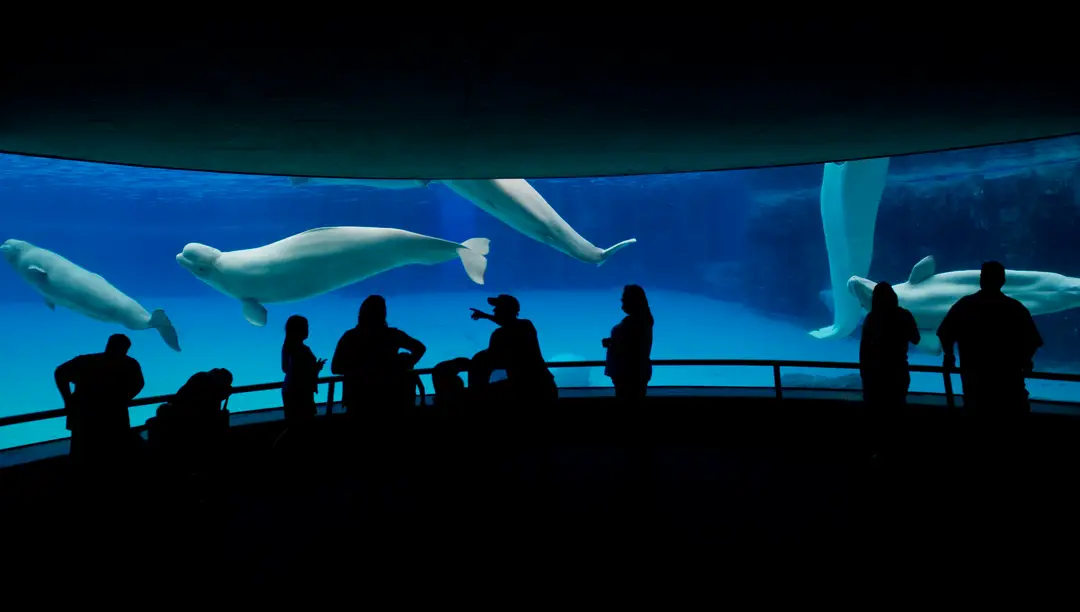
With time running short, a group of accredited marine institutions in the US assembled a rescue proposal intended to remove the animals from the closed park.
Under the plan approved by the US National Oceanic and Atmospheric Administration (NOAA), 28 of the belugas will be transferred permanently to facilities in the United States.
That arrangement would send 13 whales to SeaWorld San Antonio, 10 to Chicago’s Shedd Aquarium, three to SeaWorld San Diego, and two to Georgia Aquarium in Atlanta. The remaining two belugas, along with four dolphins, are expected to go to a specialized center in Spain.
Even with the authorization in place, organizers have stressed that moving so many cetaceans is an enormous undertaking that ‘cannot happen overnight.’
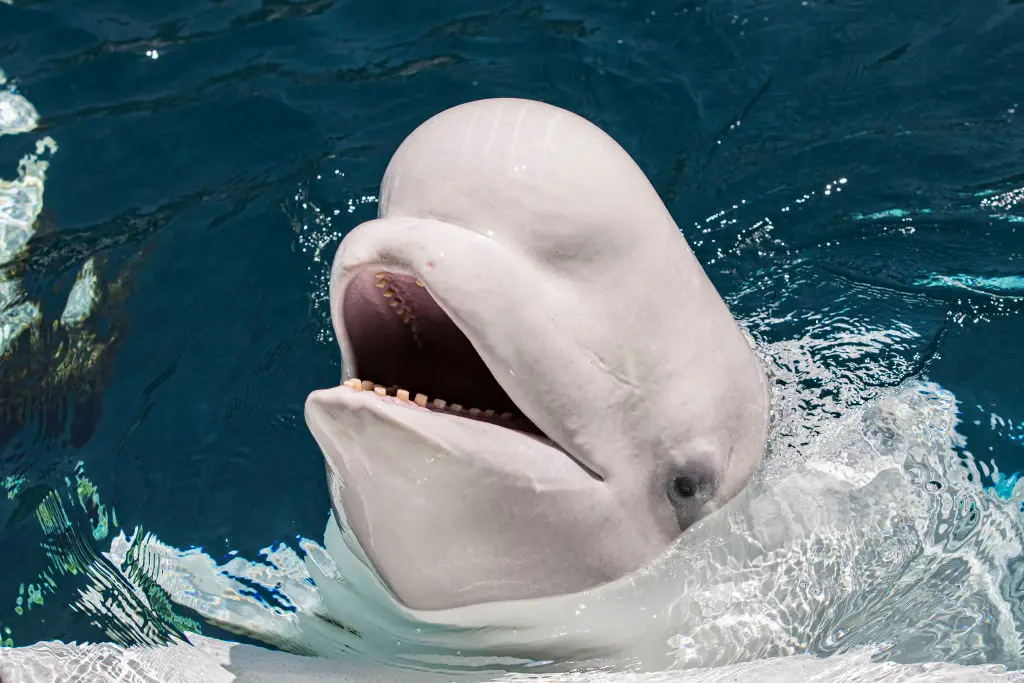
Belugas can reach lengths of 16 feet and weigh as much as 3,500 pounds, meaning the relocation will require custom support slings, temperature-controlled transportation, and veterinary oversight at every stage.
Before any transfer begins, independent veterinarians in Canada must carry out full medical assessments on each animal to confirm they are healthy enough to withstand the move.
Some animal advocates have said a sea sanctuary would be the ideal outcome, but many also accept that this rescue may be the ‘least worst option’ for removing the whales from the enclosed tanks where they are currently being kept.
The latest approval marks a significant step toward getting the animals into long-term care environments better suited to their needs, although the full relocation is still expected to take time and careful coordination across multiple facilities and countries.