

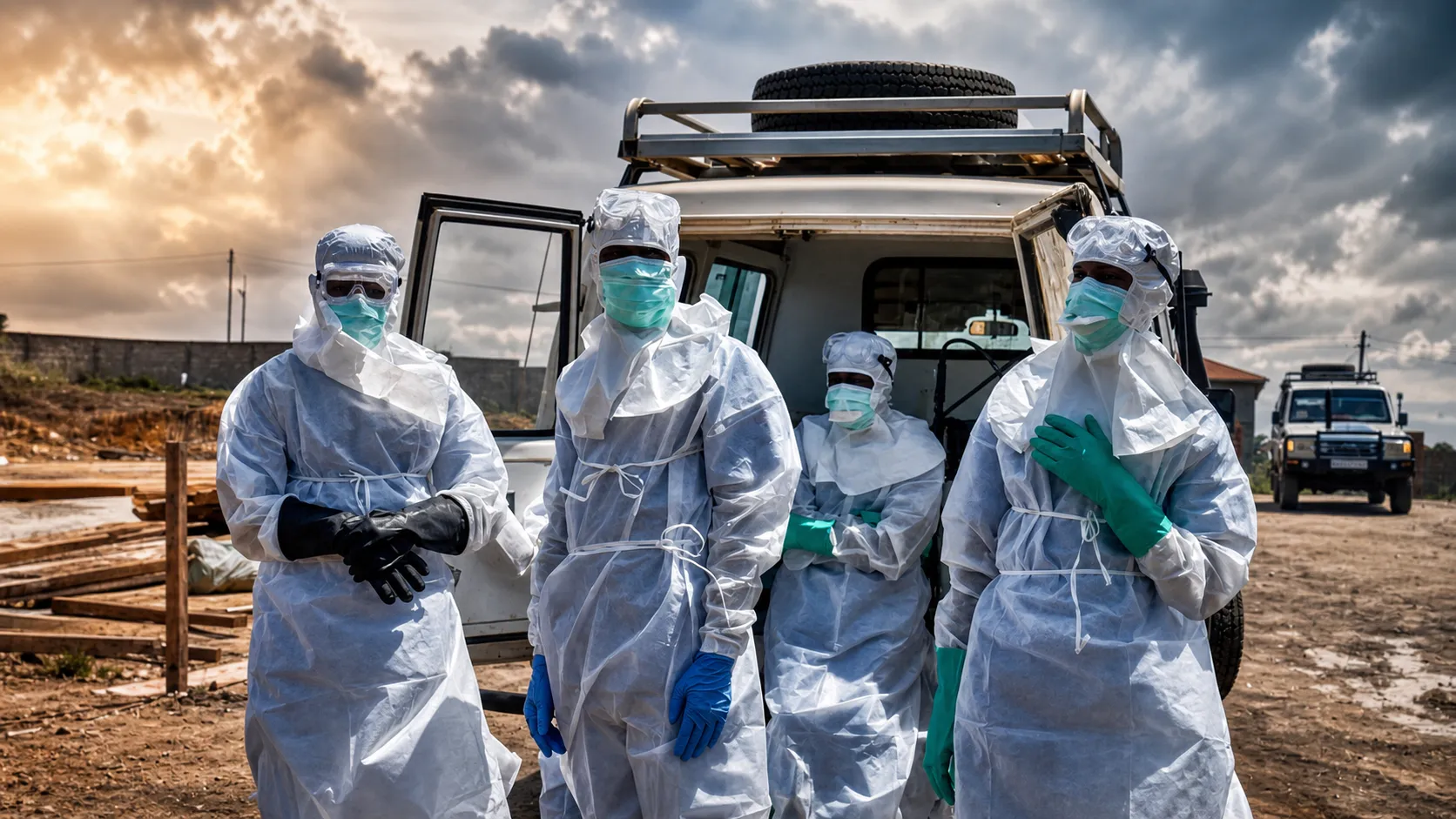
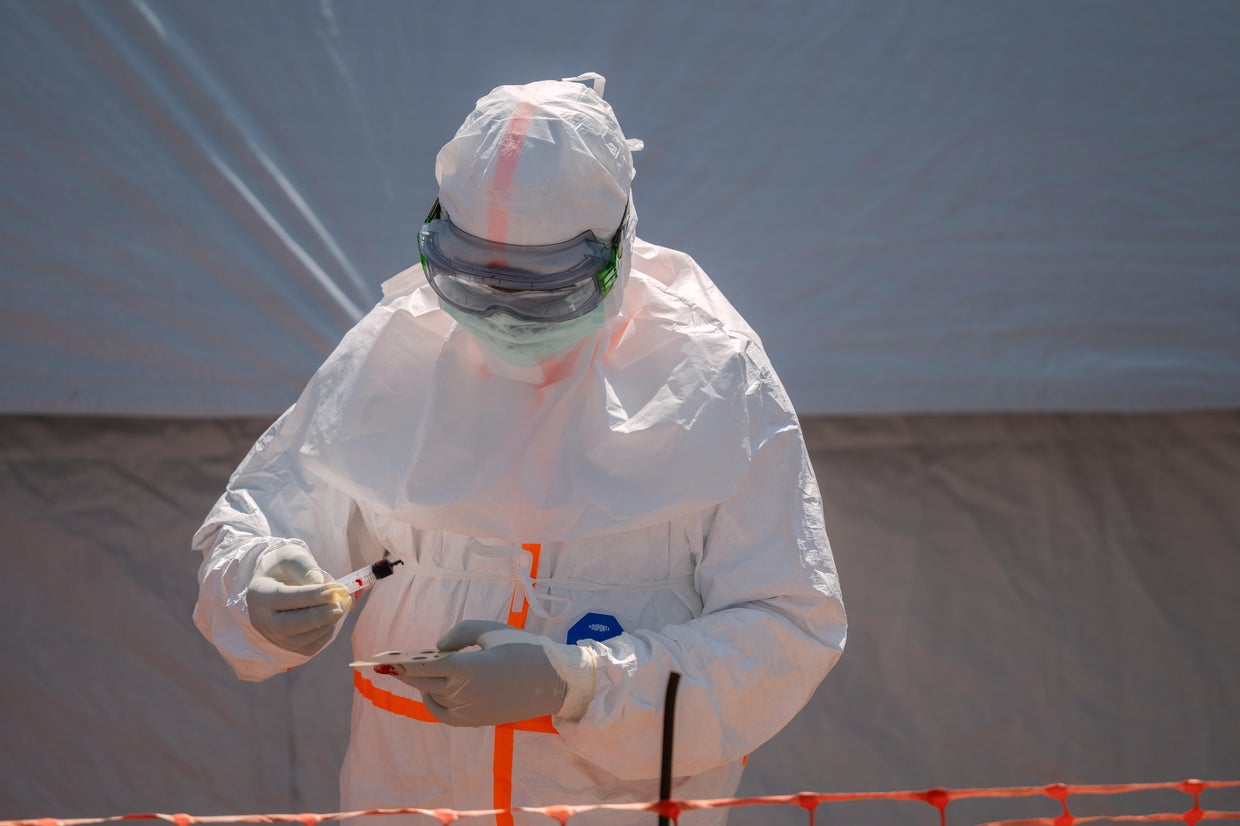
A U.S. Citizen working for a humanitarian organization in the Democratic Republic of Congo has tested positive for the Bundibugyo strain of Ebola, marking another American affected by the rapidly spreading outbreak, federal health officials announced Friday. The Centers for Disease Control and Prevention confirmed the case, saying it is working with the patient’s employer, other U.S. Agencies, public health authorities and Congolese partners to prevent further transmission and identify high-risk contacts.
The CDC provided no additional details about the patient’s identity, current medical condition or location. The State Department said it was “aware of this case” and was “actively facilitating support for the American citizen affected.”
This marks the second American known to be impacted by the outbreak. In May, Dr. Peter Stafford, a Christian missionary physician, tested positive for Ebola after presenting symptoms consistent with the virus. Stafford was evacuated to Berlin, Germany, where he was treated in a hospital isolation unit and recovered. His wife and four children, all under age seven, were monitored for signs of infection but remained asymptomatic. The family was released in early June after quarantine.
The latest case comes as Congo struggles to contain what authorities are calling the fastest-growing Ebola outbreak ever recorded on the African continent. As of Friday, Congo had recorded 1,830 confirmed cases and 648 deaths, a staggering toll reached in just two months since the outbreak was officially declared on May 15. That declaration came after the disease had been circulating undetected for weeks in remote northeastern communities.
The outbreak is driven by the rare Bundibugyo virus, which has no approved vaccine or treatment, complicating response efforts significantly. Most existing Ebola vaccines and treatments were developed for the more common Zaire virus, which caused the devastating West African epidemic of 2014-2016 that killed more than 11,000 people. Clinical trials for potential Bundibugyo treatments only recently began in the region last week.
The outbreak expanded from its epicenter in Ituri Province to neighboring North Kivu and South Kivu provinces. Cases have also been confirmed across the border in Uganda, with 20 confirmed cases and two deaths reported as of early July. Last month, a humanitarian worker from France tested positive after returning from a mission in Congo, marking the first confirmed case outside Africa during this outbreak.
Regional instability is severely hampering containment efforts. Ongoing armed conflict in eastern Congo, particularly involving the M23 rebel group, has displaced hundreds of thousands of people, facilitating virus transmission across wide areas. Mining operations in the region, which drive high levels of population movement and cross-border travel, have created additional transmission hotspots that evade health monitoring. Violence against healthcare workers and attacks on burial teams have further undermined response efforts. Healthcare worker shortages and inadequate personal protective equipment have led to numerous medical staff becoming infected while treating patients.
Mistrust in government institutions and the spread of misinformation have also complicated public health messaging. Some communities have resisted safe burial protocols or fled treatment centers, sometimes citing hunger and lack of adequate care. Contact tracing coverage has declined dramatically to just 56.5 percent, far below the 95 percent target needed for effective outbreak control.
The strain on local health infrastructure is acute. Authorities have warned of funding gaps, insufficient diagnostic capacity, and limited access to laboratory testing. The Trump administration has requested $1.4 billion in supplemental funding from Congress to respond to the outbreak in Congo, Uganda and elsewhere. Early treatment capacity, though expanding, remains severely limited compared to case numbers.
The rapid spread has alarmed global health experts. The outbreak reached 1,000 confirmed cases within 40 days of response activation, compared to the 2018 North Kivu outbreak, which took approximately 235 days to reach that threshold. By early June, the World Health Organization noted this was already the largest number of confirmed cases in the first month of any Ebola outbreak in Africa.
A humanitarian worker is the second American known to be impacted by this outbreak. The first American, Dr. Peter Stafford, was evacuated to Germany in May for treatment and recovered. White House officials have indicated that if more Americans contract Ebola and require medical care, they would be sent to Europe rather than transported to the United States.
The Trump administration initially planned to send Americans exposed to Ebola while working abroad to a quarantine facility in Kenya. However, that plan faced violent protests in Kenya and was suspended after a Kenyan court issued a temporary order blocking it. The 50-bed facility at Laikipia Air Base in the town of Nanyuki had generated significant local opposition.
The CDC and federal health agencies have implemented strict entry screening and restrictions at U.S. Ports of entry. An order issued in late June suspends entry for 30 days for most foreign nationals who have been in Congo, Uganda, or South Sudan within the preceding 21 days, though U.S. Citizens and permanent residents are exempt. All returning Americans from affected areas must enter through designated airports for health screening.
Despite the escalating crisis, the CDC and international partners assess the risk to the U.S. General public as low. No Ebola cases linked to this outbreak have been confirmed on American soil, and the strength of U.S. Public health infrastructure and infection control measures would significantly limit spread if a case were diagnosed domestically. However, health officials continue closely monitoring the situation as the outbreak evolves rapidly.