

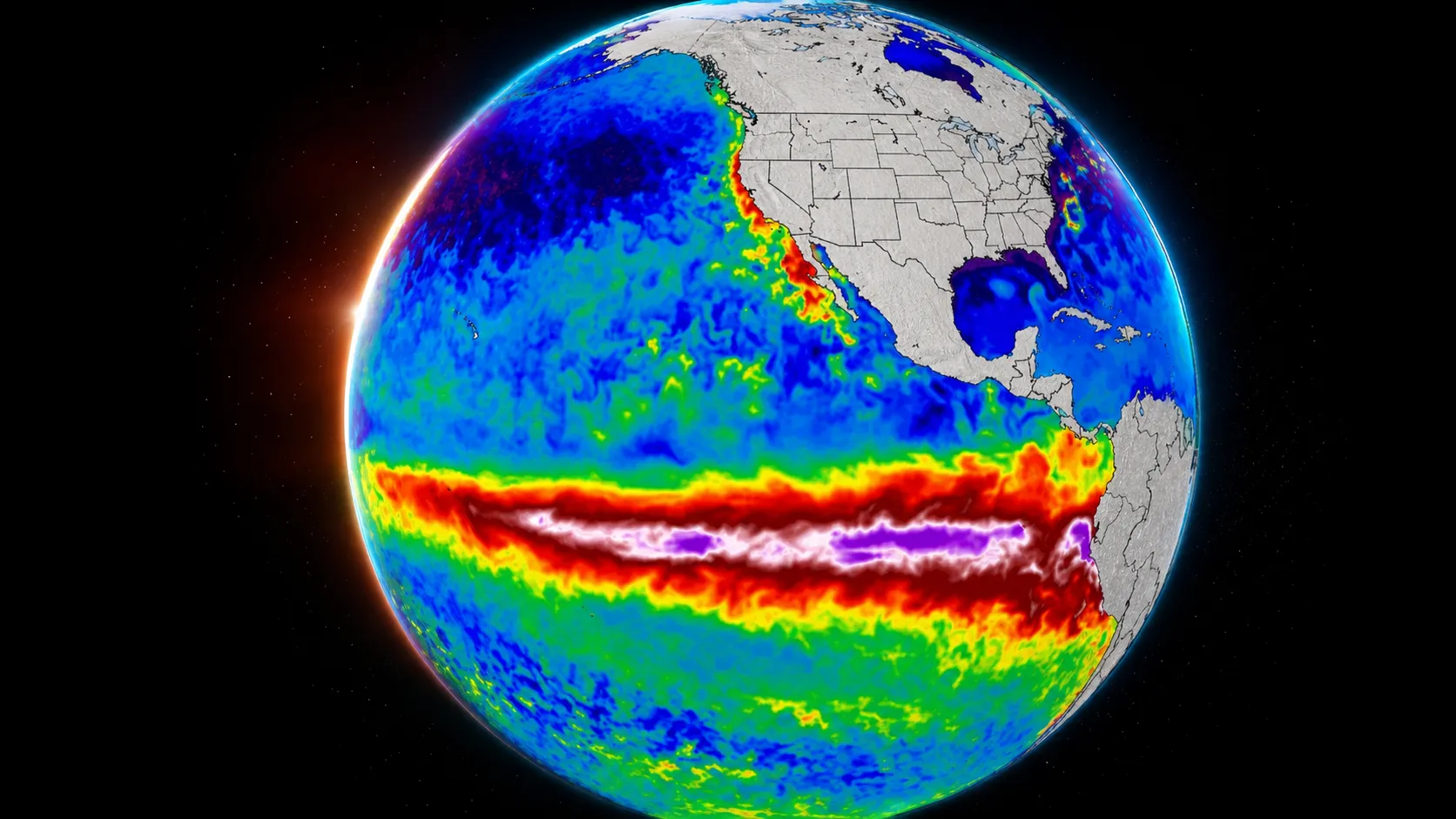
CARE International has warned that a powerful El Niño forecast is likely to place a disproportionate burden on women, particularly as reductions in overseas aid have already weakened support systems across parts of Africa.
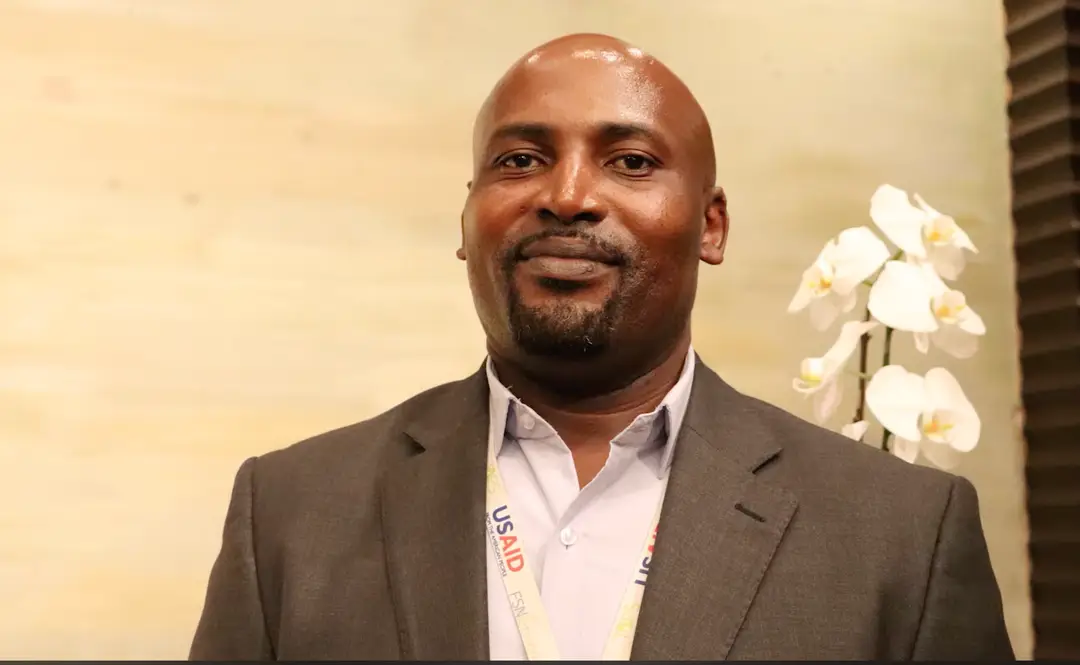
Speaking to The Independent, Walter Mwasaa, CARE International’s regional director for East and Southern Africa, said women are expected to face some of the harshest consequences as the weather pattern worsens. He said the effects are likely to be felt across healthcare, nutrition and everyday family life for millions of people.
“We should be very worried about the coming super El Niño, and we should absolutely be viewing it as a women’s health problem,” said Mwasaa, who oversees CARE programmes across 12 countries in the region.
Mwasaa said the pattern seen in major emergencies is repeating itself, with women once again carrying the greatest load when communities come under pressure.
“As with war, and as with Ebola, it is women in communities who are going to struggle the most,” he said.
“In both rural and urban areas, it is they that will face the biggest health challenges, and also they who bear the burden of taking care of families and households.”
El Niño is a naturally recurring climate event linked to unusually warm ocean temperatures in the Pacific. Its effects vary by location, often bringing extreme dryness to some areas while causing unusually heavy rainfall in others.
Forecasters believe this year’s El Niño could be especially intense. Countries to the north, including Tanzania, Kenya, Ethiopia and Somalia, are expected to experience far heavier rain, while southern nations such as Malawi, Mozambique, Zimbabwe and Madagascar are braced for severe drought.
Climate and health agencies say the risks are not limited to weather extremes alone. El Niño can intensify food insecurity, disrupt health services and increase the spread of some diseases when flooding, drought and displacement strain already fragile systems. The World Health Organization says the effects of ENSO vary by intensity and timing, but can include wetter conditions in equatorial East Africa and drier conditions in southern Africa, while the World Meteorological Organization says even moderate El Niño events can increase the likelihood of extreme weather.
Evidence from previous climate shocks supports his concerns. Research has linked climate-related disasters to a 40 per cent increase in child marriage in Bangladesh. In Somaliland, drought has pushed girls into spending long hours collecting water rather than going to school. Studies have also shown that after disasters wipe out household savings, families are more likely to keep boys in education while girls lose out. At the same time, pregnant women and babies still require nutritious diets even when food shortages affect entire communities.
Recent humanitarian data from the Horn of Africa underline how quickly climate shocks can deepen existing crises. In Somalia, CARE said in June 2026 that almost two million children were acutely malnourished, nearly 500,000 of them severely so, while around 50 CARE-supported health and nutrition centres had closed since January because of funding shortfalls. United Nations agencies have separately warned that more than 1.8 million children under five are expected to face acute malnutrition in Somalia this year, with wide-scale aid cuts forcing agencies to reduce rations and scale back essential services.
“Mothers will usually work the hardest to provide food, and she will be allowed less rest, and she will typically eat last,” Mwasaa said.
He also described the case of a woman in Mozambique who had to give birth in a tree during flooding. He said that if floods become more common and more health facilities shut down, those kinds of emergencies are likely to happen more often.
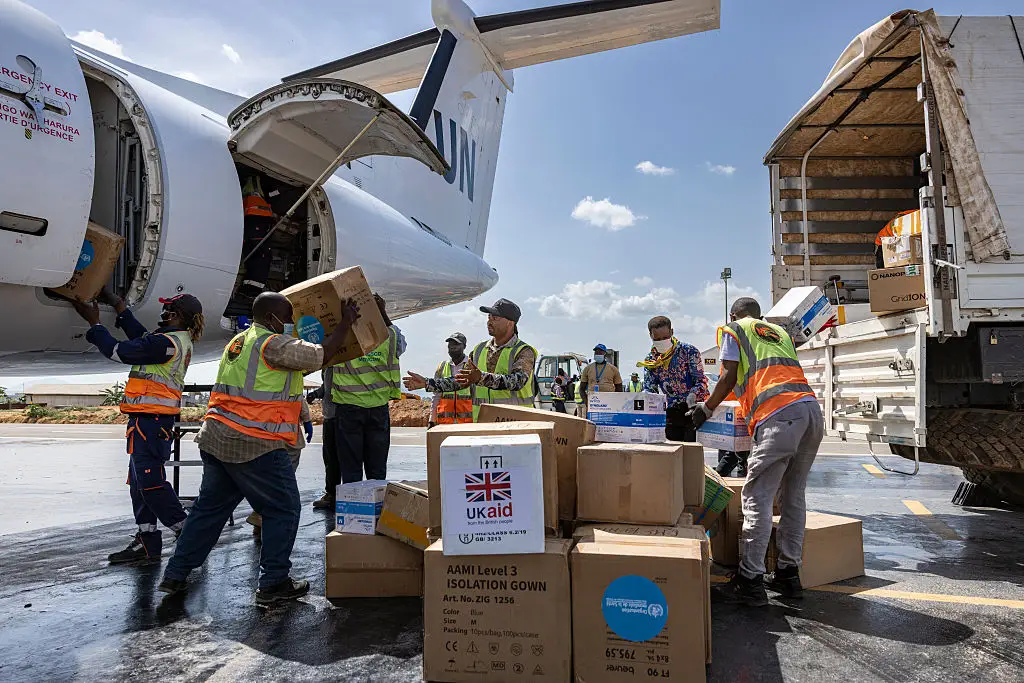
The warning comes as CARE’s work in East and Southern Africa is being cut back because of declining foreign aid. The organisation’s regional budget is projected to drop from roughly $250 million in 2024 to $140 million by the 2027 financial year.
Mwasaa said the reduction has been especially stark in Ethiopia, where funding has fallen from $130 million to $15 million. He added that Malawi is currently the only country in the region expected to receive direct US foreign aid in 2027, with $8 million allocated.
In Somalia, around 50 CARE-backed health and nutrition centres have closed since January 2026. This is happening while about two million children are dealing with acute malnutrition, including close to 500,000 suffering from severe acute malnutrition, which can be fatal.
According to Mwasaa, nurses still working in CARE-supported services are seeing many more pregnant women arrive drained and dangerously dehydrated after travelling for days without enough food or water, often only to find that nearby care has disappeared.
As government-backed aid becomes harder to secure, CARE is increasingly exploring partnerships with private companies to bridge some of the funding shortfall. Mwasaa said that approach could eventually help communities by making them less reliant on traditional aid streams.
Even so, he said the shift is far from straightforward.
“Development partners, and especially Western governments, are telling us that we now need to find ways of doing business with them, but oftentimes it is hard to find products from rich countries that people in African countries need or can afford,” he said.