

—
Florida is confronting an uncomfortable question that has rarely arisen in American capital punishment: Is a person ever too old to execute?
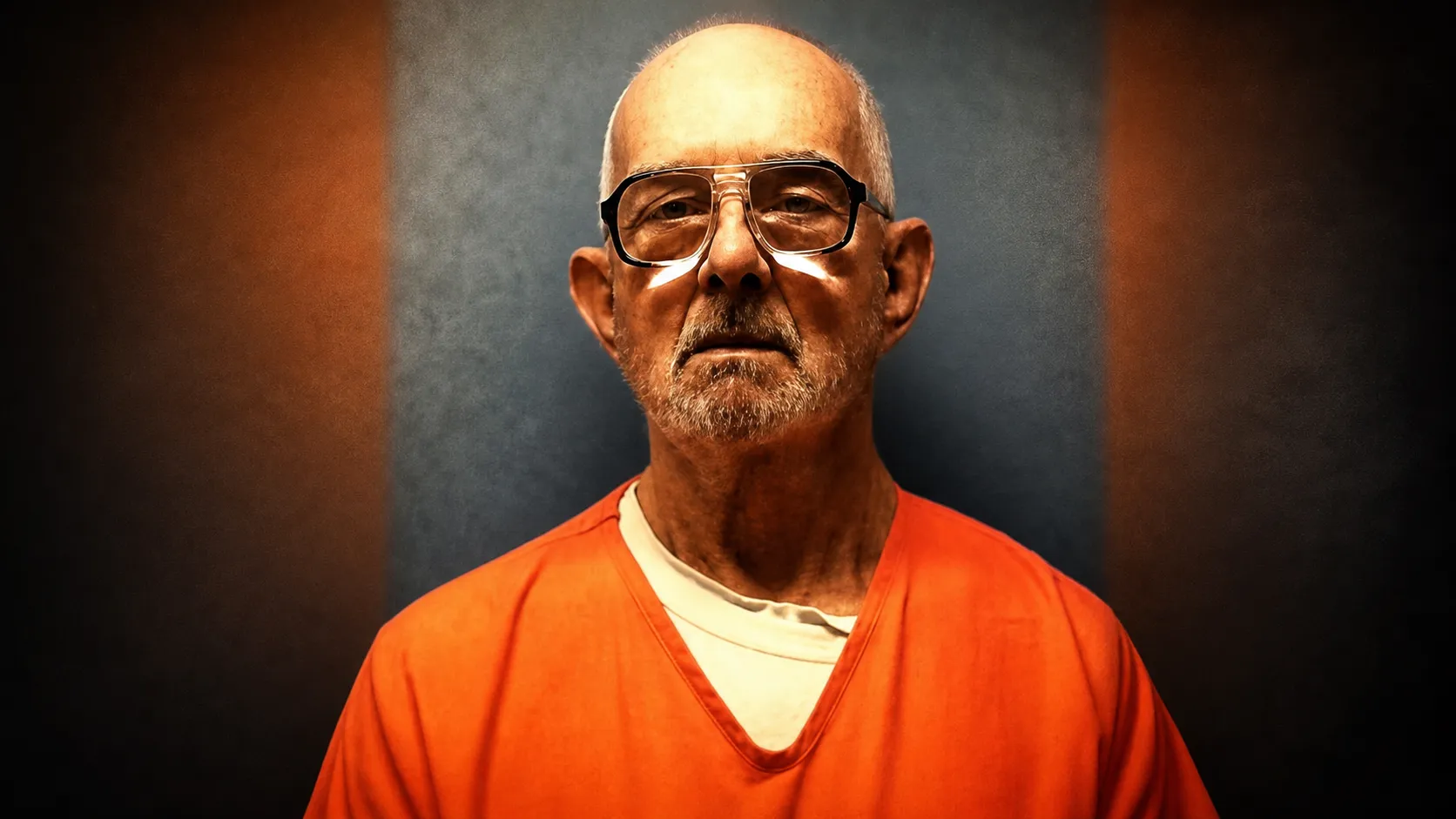
The issue came to a head in late June when the state put to death 74-year-old Dusty Ray Spencer, becoming the oldest inmate executed in Florida’s modern history. But that record barely lasted weeks. Florida has scheduled two more elderly death row inmates for execution in July: 74-year-old Dennis Sochor on July 14 and 80-year-old Dominick Occhicone on July 28. If Occhicone’s execution proceeds, he will become the oldest person ever executed in Florida since the death penalty was reinstated in 1976.
The executions have reignited a longstanding debate over the meaning of capital punishment and whether advanced age, combined with decades of incarceration, should exempt someone from the ultimate sentence. Supporters argue that the death penalty remains justified regardless of an inmate’s age. Opponents question whether executing elderly, infirm men who have spent most of their remaining lives in prison serves any legitimate purpose.

Spencer was convicted in 1992 of stabbing his wife Karen to death in Orange County. He had spent more than 30 years on death row pursuing multiple appeals before his execution. His attorneys argued that his health problems, including liver disease, posed a heightened risk of suffering during the lethal injection process, and that executing him at his advanced age would constitute cruel and unusual punishment under the Eighth Amendment. Both Florida’s Supreme Court and the U.S. Supreme Court rejected these arguments without comment.
Before his death, Spencer’s spiritual advisor, Rev. Jeff Hood, called the execution a “nursing home execution” and challenged Governor Ron DeSantis to personally carry it out if he wanted to proceed. According to national statistics, of the 1,669 people executed in the United States since 1976, only 12 were aged 74 or older at the time of their execution. None had previously been executed in Florida.
Spencer’s case has become emblematic of a dramatic shift in Florida’s approach to capital punishment. The state executed 19 people in 2025—more than any state in the past decade and more than double its previous modern record of eight executions. Executions have averaged one every 16 days, accounting for 40 percent of all executions nationwide. Florida has executed nine people so far in 2026, making it an unprecedented pace compared to the rest of the nation.
This acceleration coincides with changes to Florida’s death penalty law. In 2023, DeSantis signed legislation that eliminated the requirement for unanimous jury recommendations in capital cases, allowing juries to impose death sentences with just 8 of 12 jurors in agreement—the lowest threshold in the country. All three of the elderly inmates set for execution were sentenced under non-unanimous jury procedures.

The debate surrounding these executions extends beyond age to fundamental questions about the purpose of capital punishment. Some residents and legal experts argue that executing an inmate decades after a crime offers little value, particularly when the state is spending substantial resources to carry out a sentence far removed in time from the offense. Florida spends roughly twice as much on death row inmates as on prisoners in the general population.
Death penalty opponents contend that long confinement on death row itself constitutes punishment. They point out that inmates like Spencer and Sochor have already served prison sentences equivalent to multiple life terms, having spent the overwhelming majority of their adult lives incarcerated. Legal scholars have argued that the combination of decades in solitary confinement followed by execution may violate the Eighth Amendment’s prohibition on cruel and unusual punishment, though the U.S. Supreme Court has never fully addressed this “Lackey claim.”
Meanwhile, supporters of the executions emphasize that age should not exempt someone from a lawfully imposed death sentence. They argue that the punishment was ordered by a jury and upheld through the appeals process, and that victims’ families deserve to see justice carried out even after many years have passed.
Governor DeSantis has justified the acceleration of executions by citing victims’ families who he says have waited decades for justice. He has said that many of the crimes were committed in the 1980s and that he wants to bring closure to families who continue to suffer. “Some of these crimes were committed in the ’80s,” he said in a recent statement, noting that many inmates have been safely housed and incarcerated for 30, 40 or nearly 50 years.
Religious leaders have raised alarm about the pace. The Florida Conference of Catholic Bishops urged DeSantis to commute Spencer’s sentence, arguing that the death penalty is unjust and unnecessary, and that society can be protected through life imprisonment. Miami Archbishop Thomas Wenski noted that most of the rest of the world has abandoned capital punishment and argued that Florida would be better served doing the same.
As Florida prepares for the July executions, the broader question remains unresolved in American jurisprudence: whether executing someone in their eighth decade, after having aged behind bars for decades waiting for an appeal process that the Constitution itself requires to be thorough, serves the legitimate aims of criminal justice or instead represents a form of punishment that has outlived its purpose.