

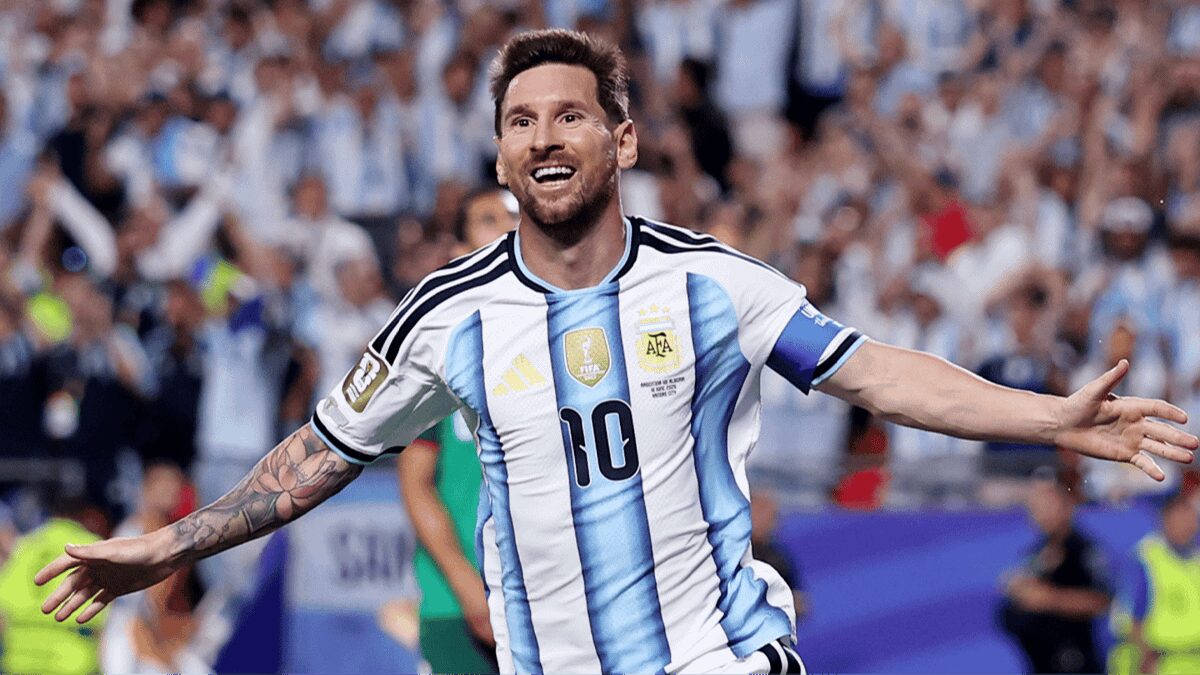
Argentina have reportedly asked FIFA for a change ahead of Wednesday’s (July 15) World Cup semi-final with England, and the idea is already sparking debate online.
England booked their place in the last four after beating Norway 2-1 in the quarter-finals on Saturday (July 11), setting up a huge clash with Lionel Messi’s Argentina.
With a place in the World Cup final on the line, the match is already drawing plenty of attention. But alongside the football itself, there is also discussion about what Argentina will be wearing.
Following their 3-1 victory over Switzerland, Argentina reportedly asked FIFA for permission to switch kits for the semi-final. Under FIFA’s match-colour process, the final shirt selection is decided by the competition’s kit regulations and the combination of both teams’ strips, with each side typically assigned the option that avoids a clash on the day.
Argentina pidió jugar con la camiseta azul contra Inglaterra.
Se define el martes. pic.twitter.com/eE8ijAo3Jz— Gastón Edul (@gastonedul) July 13, 2026
Journalist Gaston Edul said on X that Argentina want to wear their all-blue strip rather than their traditional blue-and-white striped shirt.
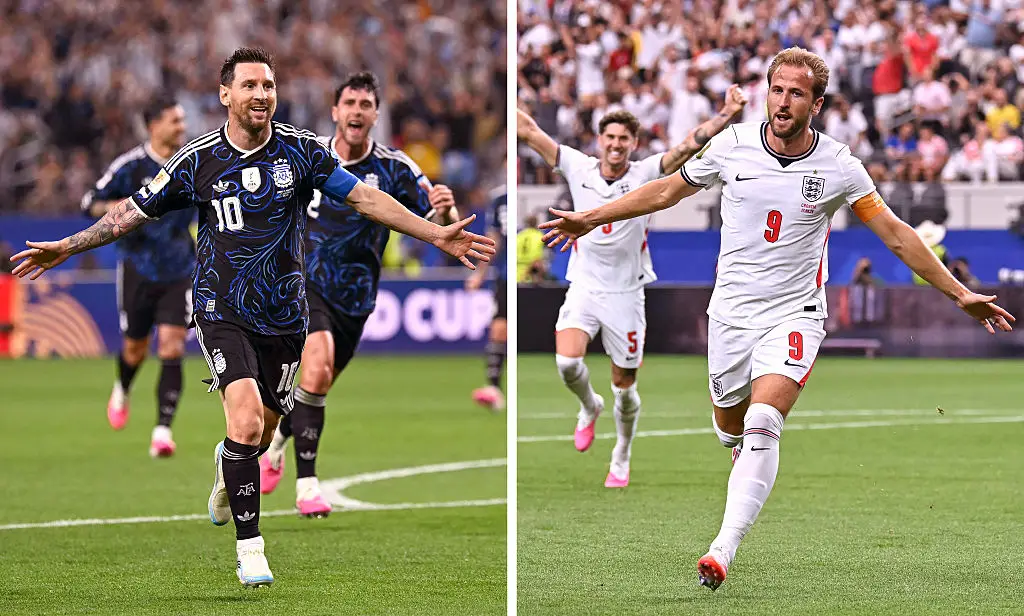
Argentina have worn their famous striped kit for most of the tournament, with the all-blue version only appearing in the June 28 match against Jordan.
Now, according to the report, they want to use that same kit again against England.
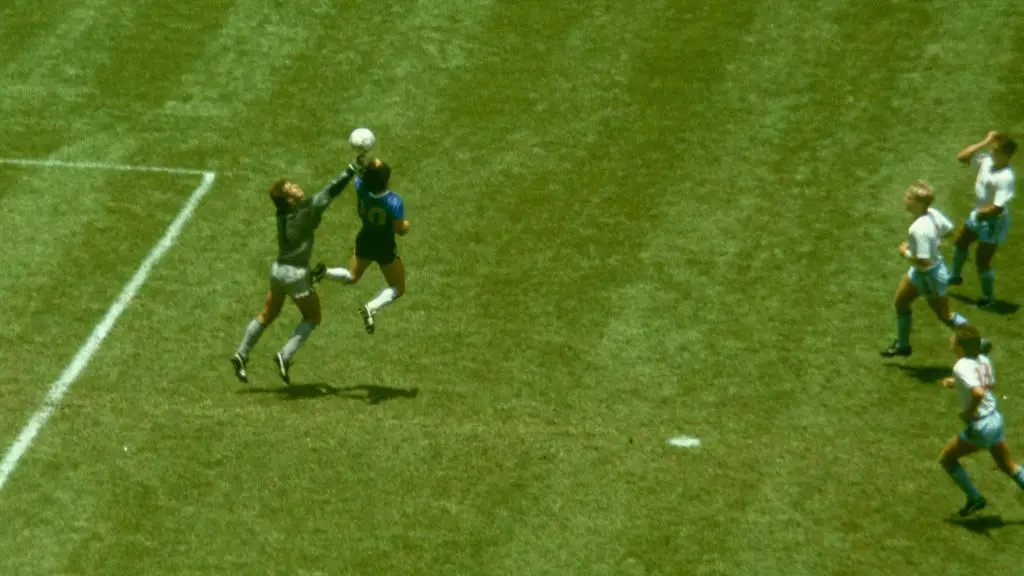
Some supporters believe the choice may be more than a simple aesthetic decision. The blue away kit has been linked with past Argentina wins over England, including the 1986 World Cup quarter-final, when Diego Maradona scored the infamous ‘Hand of God’ goal in a 2-1 victory.
Argentina also beat England in France in 1998 while wearing the same away colours, adding to the superstition around the shirt.
That history has not gone unnoticed by fans online.
“And they’re gonna score another handball goal like in ’86, Gastón???”
Messi has also spoken about the significance of facing England, describing it as a special occasion even while stressing the scale of the challenge.
“Everything I have seen and remember is from videos and images that Argentinians constantly watch and relive,” Messi said Argentina about the 1986 win. “But I think this group is used to playing football matches regardless of the opponent.
“Obviously, playing against England is special because they are a powerhouse, and matches against powerhouses are always special.
“Personally, it’s the first time I’m going to play against them. I’ve played against everyone except England, so it will be nice for that reason too.
“And we’ll experience it for what it is: a World Cup semi-final against a powerhouse, a great team, and we’ll try to arrive in the best possible shape to compete again.”
Edul has since reported that the blue kit has been approved for Argentina’s meeting with England.
England, meanwhile, are expected to play in their all-white home strip.
Elsewhere in the tournament, reports said that France will wear their traditional blue home kit in the first semi-final, while Spain are set to use their off-white away strip.
This year’s World Cup has also introduced a number of rule changes aimed at reducing time-wasting and keeping matches moving. FIFA and IFAB have said the focus is on increasing effective playing time, with several of the new measures being trialled across the tournament.
Substituted players are now required to leave the pitch within ten seconds using the nearest exit. If they fail to do so, the incoming player must wait until the next stoppage and their team will temporarily play with 10 men.
Referees can also begin a five-second countdown if they believe a player is delaying a throw-in or goal kick. If the ball is not put back into play in time, possession changes: the other side gets the throw-in, or a corner is awarded if the delay comes from a goal kick.
Players who receive treatment off the field after an injury must remain off the pitch for one minute, again meaning their team has to continue briefly with 10 players.
VAR has been expanded too. It can now review wrongly awarded corner kicks, second yellow cards that lead to a red, cases where the wrong player is punished with a yellow or red card, and attacking fouls committed before the ball comes into play.
Another major change concerns player conduct. Anyone who covers their mouth during a confrontation can be shown a red card, amid concerns that players may do so to hide abusive language from lip readers.
And if a player leaves the pitch to protest a referee’s decision, that can also result in a red card. Teams that walk off and cause a match to be abandoned will forfeit the game.