


Federal bank regulators issued new guidance Monday aimed at managing credit risks associated with lending to borrowers who lack legal work authorization in the United States. The directive represents the latest step in the Trump administration’s effort to use the financial system as an enforcement tool for immigration policy.
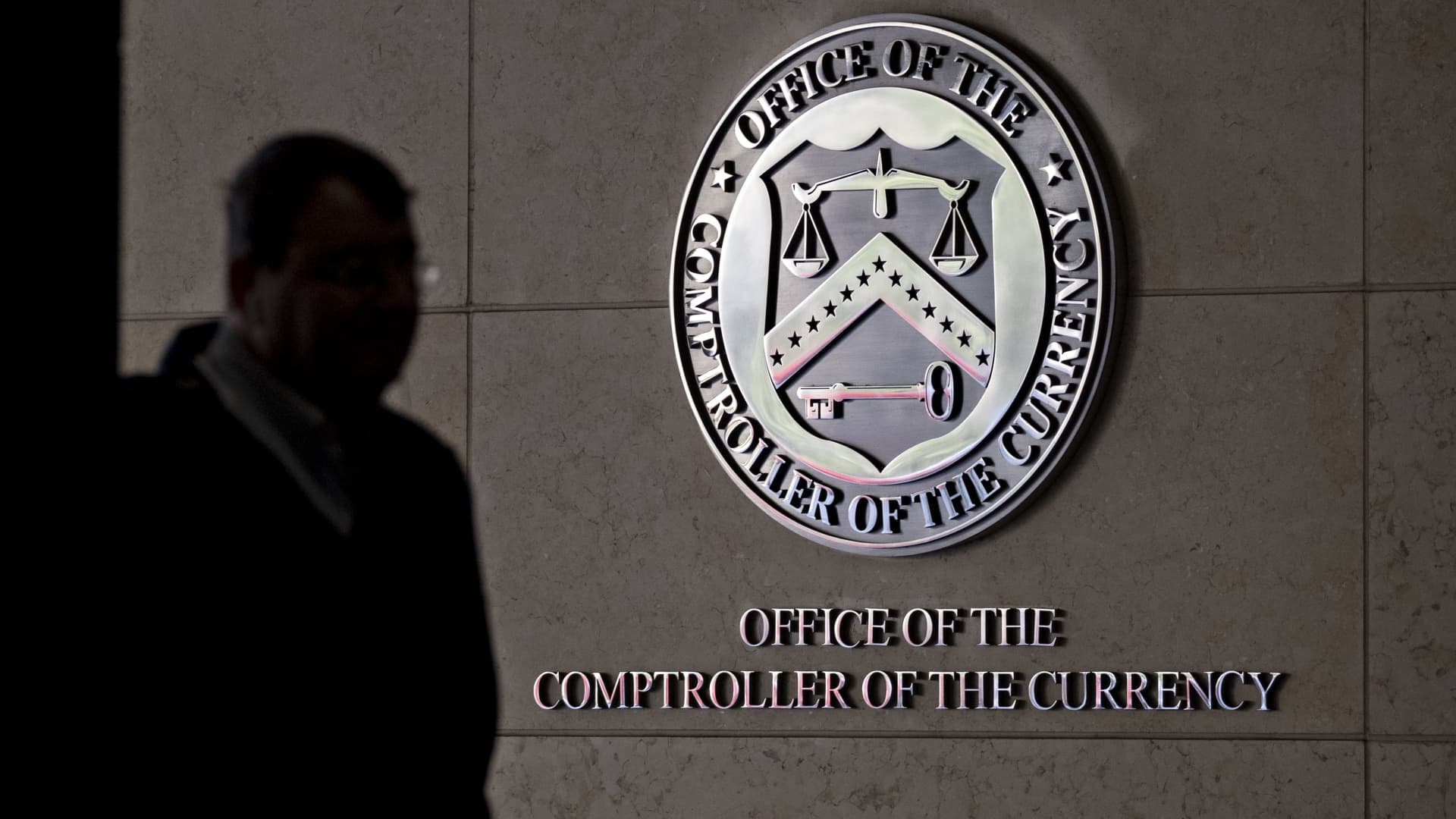
Three federal agencies—the Office of the Comptroller of the Currency, the Federal Deposit Insurance Corporation, and the National Credit Union Administration—jointly announced the guidance, which calls on banks and credit unions to treat immigration status and employment authorization as factors when evaluating credit risk for mortgages, auto loans, credit cards, and other consumer lending products.
The guidance instructs financial institutions to identify, measure, monitor, and control credit risks through what the agencies describe as safe and sound underwriting practices. Banks should assess whether uncertainties related to employment authorization may affect the stability of income, repayment capacity, collateral recovery, or other factors relevant to determining credit risk. The agencies noted that when a borrower’s income is derived from employment that is not legally authorized, the source of repayment may be less reliable and may present increased credit risk.
The regulators identified several scenarios that could affect a borrower’s ability to repay. These include loss of employment due to an employer’s discovery of unauthorized status, an inability to become legally employed, or the borrower’s removal from the United States through deportation. Banks are also directed to consider the possibility that repayment could be disrupted by immigration enforcement actions.
The guidance is nonbinding and does not impose new legal requirements on banks, but rather reminds financial institutions of obligations that already exist under law. The agencies emphasized that banks should incorporate these immigration-related risks into their underwriting, account management, credit classification, and compliance processes while remaining consistent with applicable consumer protection laws.
The action implements an executive order signed by President Trump in May titled “Restoring Integrity to America’s Financial System.” That order directed the Treasury Department and federal financial regulators to develop guidance addressing financial risks associated with lending to individuals without work authorization. The executive order reflected broader administration concerns about what officials characterized as structural risks to the banking system posed by extending credit to the undocumented population.
In May, the Treasury Department’s Financial Crimes Enforcement Network had already issued an advisory identifying red flags and suspicious activity patterns financial institutions should monitor. That advisory flagged repetitive cash withdrawals following unusual patterns, the use of foreign consular identification cards to open accounts, and the use of platforms associated with off-the-books wage payments.
The guidance also directs banks to consult a June statement from the Consumer Financial Protection Bureau clarifying that the Equal Credit Opportunity Act permits lenders to consider potential deportation and loss of wages as factors in evaluating an applicant’s ability to repay under federal Truth in Lending Act standards.
Data on the extent of lending to undocumented immigrants remains limited. Studies indicate that between 5,000 and 6,000 mortgages were issued to borrowers using Individual Taxpayer Identification Numbers in 2023, a small fraction of the roughly 4.6 million mortgage originations that year. Most ITIN holders are undocumented immigrants, though the identification numbers are also used by legal residents and temporary visa holders. The guidance identifies ITIN use as a potential risk factor triggering enhanced due diligence.
Banking industry groups had previously expressed concerns about an earlier version of the executive order that would have required banks to collect citizenship information from all customers. Finance leaders warned that such a requirement would be operationally expensive and legally risky under fair lending laws. The final guidance-based approach was seen by some in the industry as preferable, though financial institutions remain cautious about future regulatory requirements the Treasury Department and other agencies may propose.
The measures represent part of a broader nine-month effort by the Trump administration designed to discourage people living illegally in the United States from interacting with the formal financial system. In November, the Treasury Department moved to reclassify certain refundable tax credits as federal public benefits, barring some immigrant taxpayers from receiving them even if they filed and paid taxes. Tax experts indicated that immigrants brought to the country illegally as children, known as DACA recipients, and those with Temporary Protected Status would be affected by that change.
The banking guidance is expected to influence how financial institutions approach lending decisions. Industry analysts suggest banks could respond by demanding larger down payments, charging higher interest rates, or denying loan applications when repayment depends on income from unauthorized work. The extent to which the guidance will be implemented varies, with some lenders potentially moving more aggressively than others to incorporate immigration risk assessment into their underwriting standards.
Legal experts and civil rights organizations are evaluating potential legal challenges to the order on grounds including alleged violations of fair lending laws and the Equal Credit Opportunity Act, which prohibits discrimination based on national origin. However, the administration maintains that considering immigration status falls within lawful risk assessment practices.