

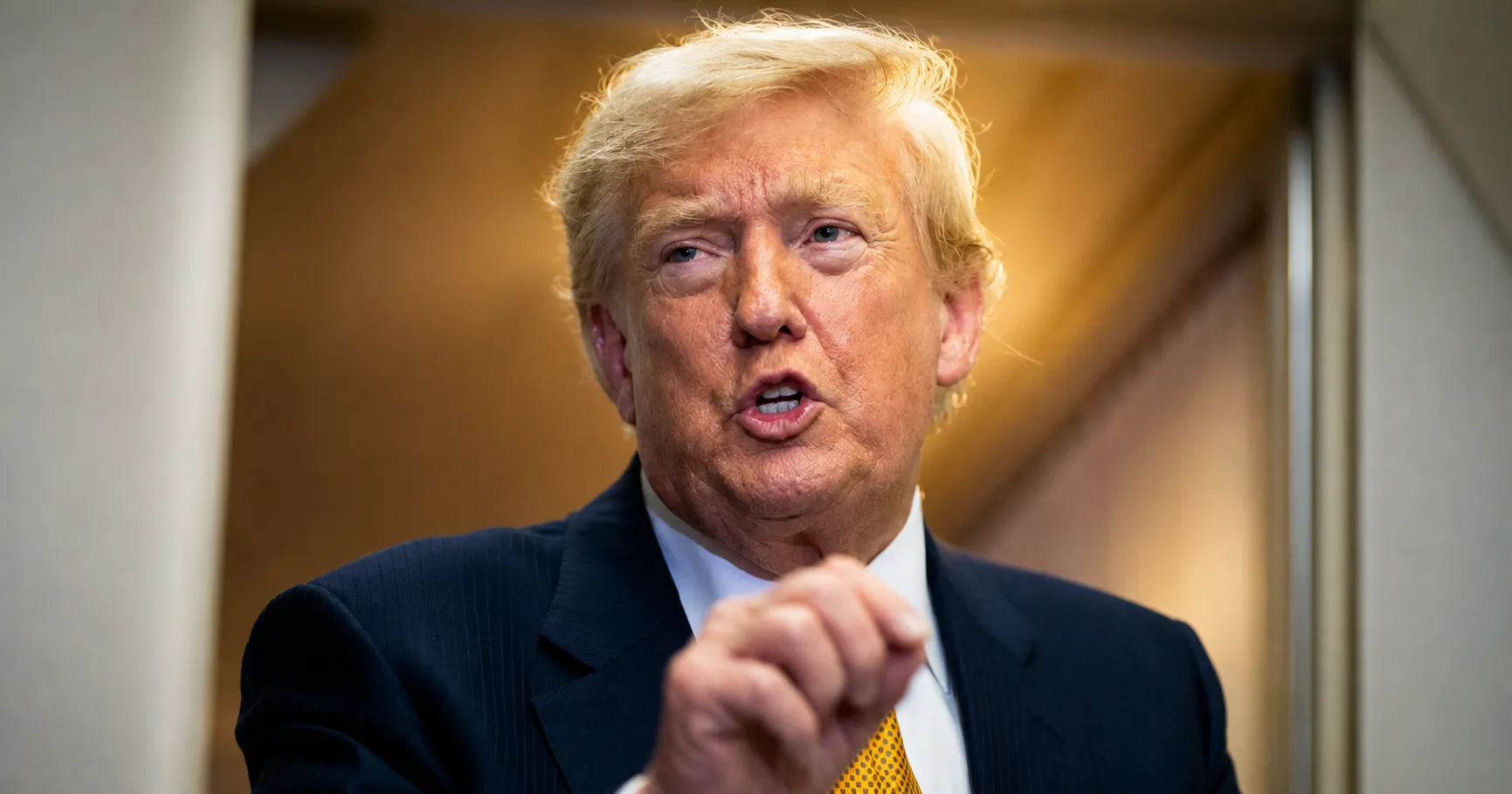
A federal judge on Monday issued a scathing 56-page decision that found President Donald Trump’s $10 billion lawsuit against the Internal Revenue Service was filed for an “improper purpose” and referred one of his attorneys for potential disciplinary action, delivering a stark rebuke to the administration’s handling of the case and settlement.
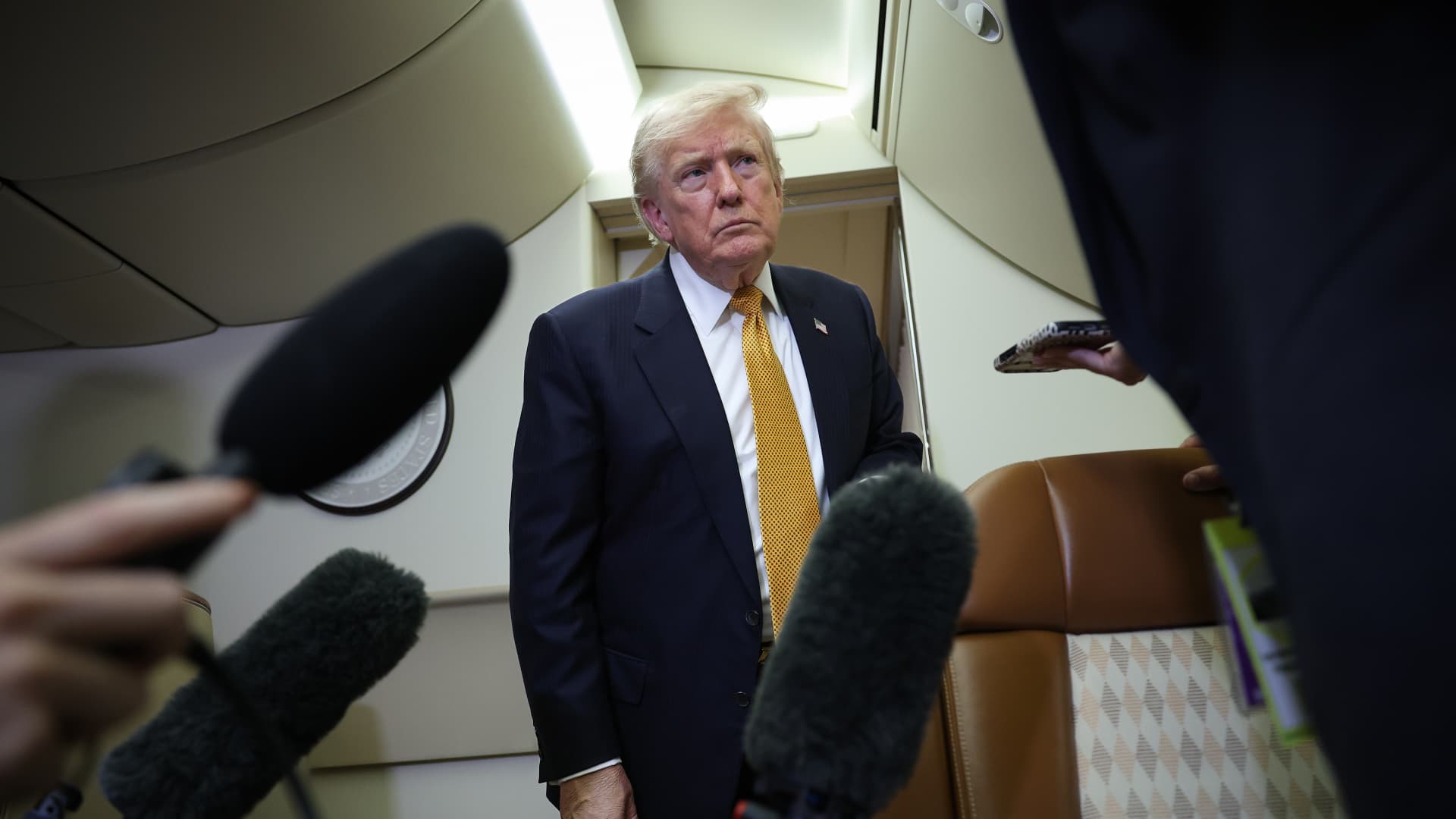
U.S. District Judge Kathleen Williams ruled that Trump had sued the IRS not to pursue a legitimate legal claim but rather to gain what she called the “imprimatur of judicial legitimacy” for a highly controversial settlement that gave the president and his businesses effective immunity from tax audits and initially created a $1.776 billion government fund intended to compensate the president’s allies.
“This action was never about a party seeking judicial resolution of a legal issue or a factual dispute,” Williams wrote in her decision issued Monday from her courtroom in Miami. “The nature of the suit itself and the conduct of the Parties and counsel from its filing make plain that this was an attempt to use the Court to provide some legitimacy to an agreement to confer immunity to people and entities affiliated with the President and to earmark billions of dollars from American taxpayers to redress grievances not defined in the law.”
The ruling came in response to concerns raised by a group of 35 former federal judges who, in late May, asked Williams to reopen the case after it had been hastily dismissed. Those former judges, including retired 4th Circuit Judge Michael Luttig and retired District of Massachusetts Judge Nancy Gertner, argued that Trump and the Justice Department had perpetrated a “fraud on the court” by concealing a settlement agreement while the litigation was still pending.
The lawsuit stemmed from a 2023 leak of Trump’s tax records by former IRS contractor Charles E. Littlejohn, who was later sentenced to five years in prison for the unauthorized disclosures. Trump filed the case in January 2026, seeking $10 billion in damages from the IRS and Treasury Department for their alleged failure to prevent the leak.
In May, just as Williams was preparing to rule on whether the lawsuit presented a legitimate “case or controversy” under the Constitution, the Trump administration abruptly settled the case. The settlement included the creation of the $1.776 billion “anti-weaponization” fund to compensate individuals who claimed they had been wrongly targeted by the federal government, as well as a sweeping provision that permanently barred the IRS from pursuing any tax audits or investigations of Trump, his sons, his companies, and affiliated entities related to tax returns filed before the settlement date.
Williams noted a fundamental legal problem with the case: Because Trump, as president, controls both the IRS and the Justice Department, there was no true legal adverseness between the parties. She found that Trump essentially sued himself, exploiting the judicial system to manufacture what appeared to be a legitimate legal basis for extraordinary benefits he awarded to himself.
“In sum, the facts before this Court demonstrate there was never adverseness between the Parties; there was never a case or controversy; and there was never a question as to who would prevail,” the judge wrote.
Williams was particularly critical of the role played by Acting Attorney General Todd Blanche, Trump’s former personal criminal defense attorney, who signed off on the settlement on behalf of the federal government. The judge pointed to Blanche’s testimony before Congress in early June, when he announced that the “anti-weaponization” fund was no longer moving forward following bipartisan backlash over concerns that it would use taxpayer money to compensate Capitol riot participants.
“Acting Attorney General Blanche’s apparent capacity to speak for both Plaintiffs and Defendants, sign a ‘settlement’ document on behalf of all Parties to this action, and then repudiate part of that agreement, demonstrates that there was only one party whose interests were being represented throughout this case,” Williams wrote.
The judge also raised ethical concerns about Blanche’s and Associate Attorney General Stanley Woodward’s involvement in negotiating the settlement, noting that both men had prior professional relationships with Trump or his allies that should have required them to recuse themselves from the case.
“Instead of either recusing because of their previous representations or vigorously defending this lawsuit as required to do so by DOJ policies and procedures, these lawyers agreed to a ‘settlement’ involving a staggering amount of money potentially benefitting former clients,” she wrote.
As a result of her findings, Williams referred Trump’s personal attorney in the case, Alejandro Brito, to the Florida Bar for potential disciplinary action. She also limited the ability of another Trump lawyer, Daniel Epstein, to practice in the Southern District of Florida for up to a year.
Additionally, Williams directed that her order be sent to the State Bar of New York and the District of Columbia Bar, where disciplinary proceedings are already underway against Blanche and Woodward based on ethics complaints.
Most significantly, Williams barred Trump, the Justice Department, and the IRS from citing or relying on the settlement agreement as evidence of an actual settlement in any judicial, administrative, regulatory, or other proceedings. The decision essentially voids the legal validity of the agreement, though the judge stopped short of explicitly enjoining the government from maintaining the audit protections Trump had negotiated.
The judge suggested that Trump and the Justice Department could potentially reach a private settlement arrangement outside the judicial system if they wished, but it could not claim to be the result of legitimate litigation. “Whether Executive Branch actors can privately agree to give themselves and their former clients blanket immunities and billions of dollars in tax monies for legally undefined grievances was never an issue advanced to this Court,” Williams wrote.
Williams’ decision carries significant political implications. It comes just two days before Blanche is scheduled to appear before the Senate Judiciary Committee for his confirmation hearing as attorney general. Trump nominated Blanche to permanently lead the Justice Department after his record as acting attorney general sparked intense bipartisan criticism, particularly over the “anti-weaponization” fund.
A spokesman for Trump’s legal team declined to address the judge’s findings about the lawsuit’s improper purpose, instead issuing a statement focused on the original IRS leak. “The IRS wrongly allowed a rogue, politically-motivated employee to leak private and confidential information about President Trump, his family, and the Trump Organization,” the statement said, adding that “President Trump continues to hold those who wrong America and Americans accountable.”
While the practical impacts of Williams’ ruling may be limited—the lawsuit was withdrawn months ago and the administration had already abandoned the fund—the decision amounts to one of the strongest judicial rebukes of Trump’s legal and political conduct to date. It represents a rare instance in which a federal judge has accused the Trump administration of manipulating the courts themselves to achieve predetermined political outcomes.