

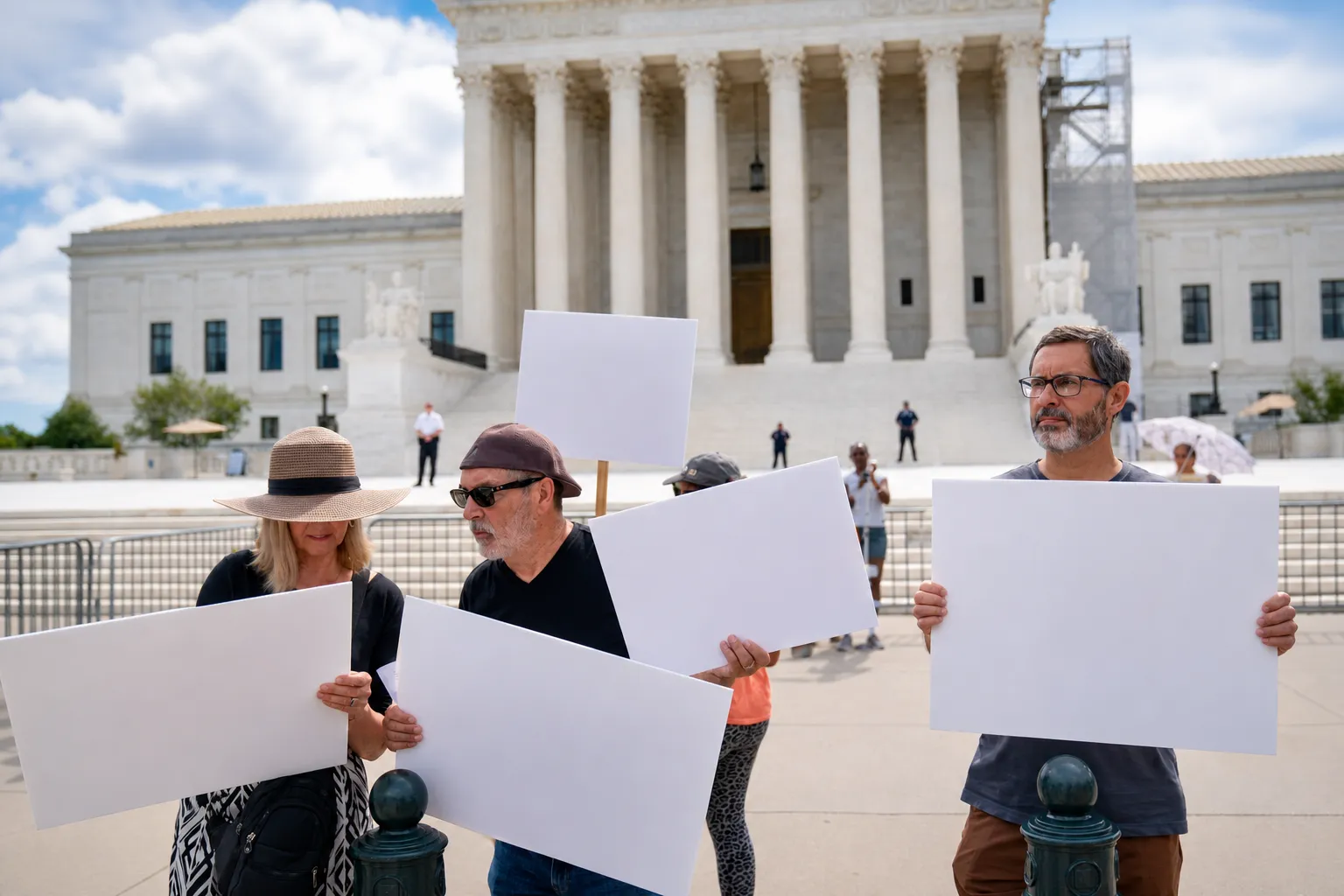
Abortion rights will be directly decided by voters in four states on November 3, creating a pivotal moment for reproductive access as Americans weigh in on some of the most consequential ballot measures since the Supreme Court overturned Roe v. Wade in 2022. The contests span vastly different political landscapes and reveal divergent approaches to abortion policy, from states seeking to strengthen existing protections to others attempting to overturn recent reforms.
Idaho voters will decide whether to roll back one of the nation’s strictest abortion bans by voting on the Reproductive Freedom and Privacy Act, a citizen-led initiative that would decriminalize abortion and allow the procedure until fetal viability and in medical emergencies. The state’s current law permits abortion only in cases of rape, incest, or when the mother’s life is in danger, with victims of rape or incest required to provide a police report to the abortion provider. The Idaho initiative has already set records, with organizers collecting more than 110,000 signatures—the most ever for a qualified ballot initiative in the state and over 1.5 times the required amount. The measure would require only a simple majority to pass, but faces significant uncertainty given Idaho’s deeply conservative political landscape, though early polling suggests roughly 60 percent of residents support the initiative, including support from Republican voters.
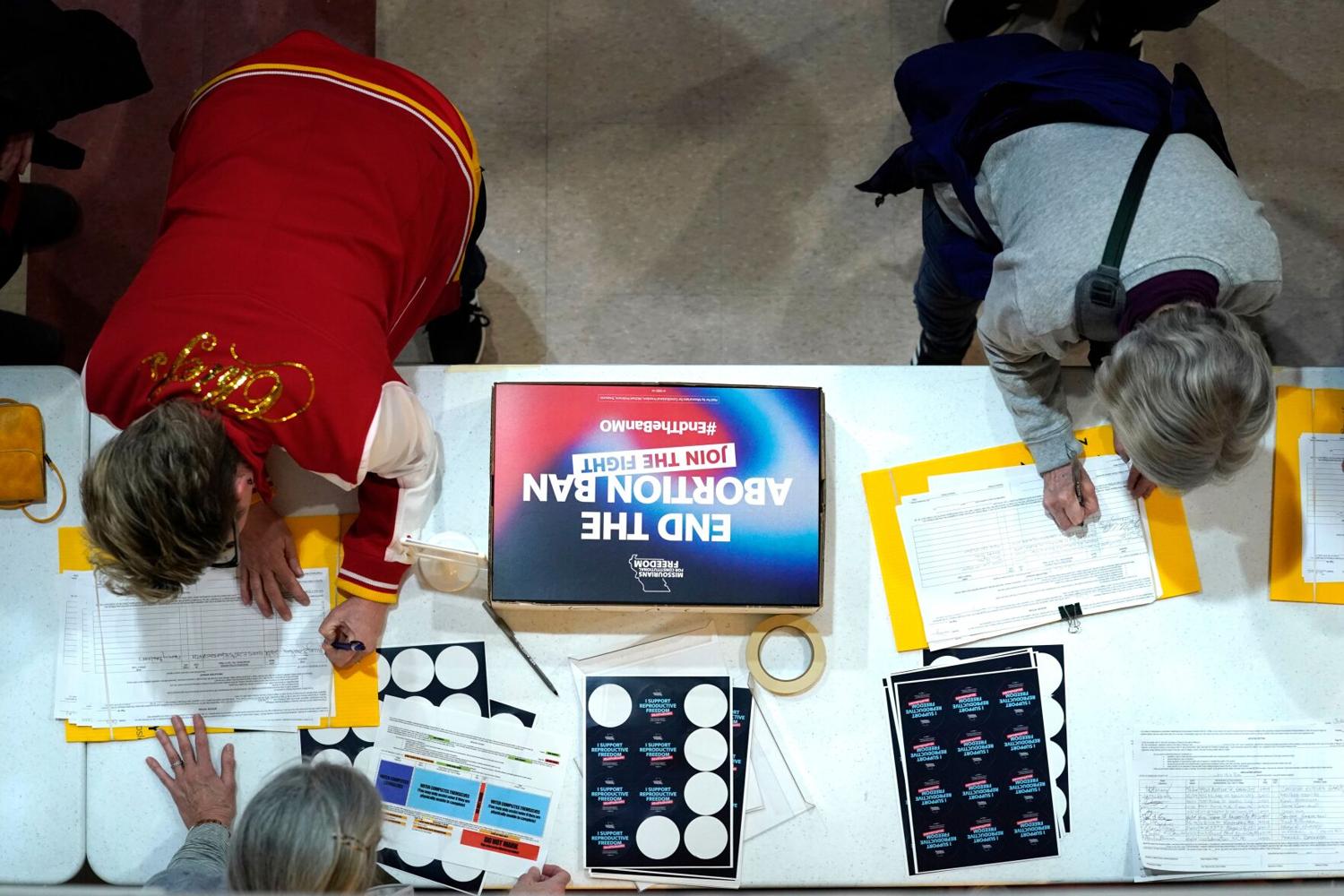
Missouri presents perhaps the most dramatic reversal. Just two years after voters became the first in a state with a total abortion ban to use a ballot measure to strike it down, the state now asks voters to reverse course. In 2024, Missouri voters approved Amendment 3, the Right to Reproductive Freedom Amendment, which guaranteed a right to abortion until fetal viability. Now, the Republican-controlled legislature has placed an initiative on the 2026 ballot that would repeal that protection. The new measure would reinstate an abortion ban with limited exceptions for medical emergencies, fetal anomalies, and pregnancies resulting from rape or incest, while also including a ban on certain gender-affirming medical procedures for minors. The measure marks the first time in American history that voters are being asked to repeal a state constitutional amendment protecting abortion rights. Missouri was the first state to enforce a statewide abortion ban throughout pregnancy after Roe fell, and it was also the first to use a ballot measure to overturn such a ban.
Nevada and Virginia represent a different dynamic. Both states currently allow abortion through at least 24 weeks of pregnancy, and voters in each are considering constitutional amendments to formalize those protections. In Nevada, voters approved a nearly identical measure in 2024 by a nearly 2-to-1 margin, but state law requires amendments to pass in two consecutive election cycles before taking effect. The measure returning to Nevada’s November ballot as Question 6 would establish a fundamental right to abortion until fetal viability or when necessary to protect the pregnant person’s health, while allowing the state to regulate abortion after viability except in medical emergencies. For Virginia, voters will decide on the Right to Reproductive Freedom Amendment, which would amend the state constitution to guarantee a fundamental right to abortion until the third trimester, as well as protections for contraception and fertility care. The amendment would allow Virginia to regulate abortion in the third trimester, but abortion could not be prohibited if the pregnant person’s life or physical, mental, or emotional health is at risk.
Melanie Folwell, executive director of Idahoans United for Women and Families, emphasized the cross-partisan nature of the abortion debate in conservative states. “I would encourage them to get out of their bubbles of activism and actually begin to engage with the public on where folks are at,” she said, pointing to the estimated 28 percent of Idaho’s initiative signatures that came from registered Republicans.
These ballot measures matter because they can provide stronger legal protections than ordinary laws or court rulings. Constitutional amendments are harder to overturn than statutes and provide a clearer legal foundation to challenge existing restrictions or protect against future ones. In states like Arizona, Ohio, and Missouri, where voters have recently approved abortion-related constitutional amendments, courts have already begun using these measures to block pre-existing abortion bans.
The 2026 elections come as abortion continues to be one of the most motivating issues for American voters across the political spectrum. Since the Dobbs decision overturned the federal constitutional right to abortion, voters in 14 of 17 states where ballot measures appeared have sided with abortion rights advocates, with 11 states successfully amending their constitutions to protect abortion rights. However, the defeats of ballot measures in Florida, Nebraska, and South Dakota in 2024 demonstrated that abortion rights advocates cannot assume victory, particularly in more conservative states or where higher vote thresholds apply.
The outcomes in November could reshape abortion access across America’s regions. Idaho’s measure would represent a dramatic shift in one of the nation’s most conservative states, potentially creating a Midwest access point. Nevada’s ratification would protect one of the few remaining West Coast abortion destinations. Virginia’s success would solidify protections in a state that has become a destination for out-of-state abortion seekers from across the restrictive South. Missouri’s measure would determine whether a state can reverse course on abortion rights after voters have spoken, setting a precedent with national implications.
These contests also highlight how ballot measures have become a primary tool for abortion advocates following the Dobbs decision, as many states with Republican-controlled legislatures and governors have proven unwilling to protect or expand abortion access through normal lawmaking channels. In states like Idaho and Missouri, ballot initiatives may represent the only realistic path forward for those seeking to change abortion policy.