

—
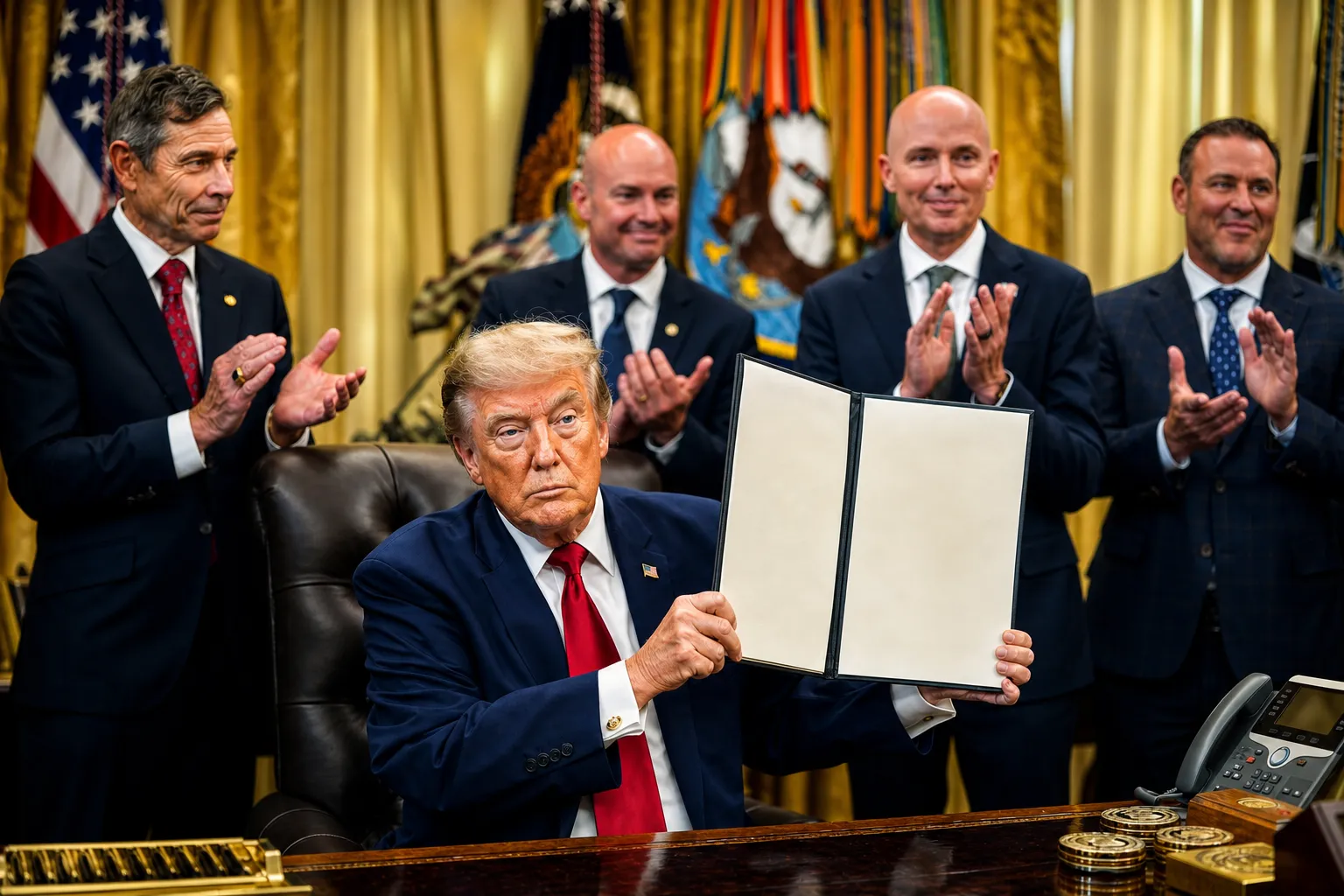
President Donald Trump signed executive orders on Monday shrinking two Utah national monuments by nearly 3 million acres combined, reducing Bears Ears and Grand Staircase-Escalante to a fraction of their current size and reigniting a bitter political battle over presidential authority to modify public lands protections.
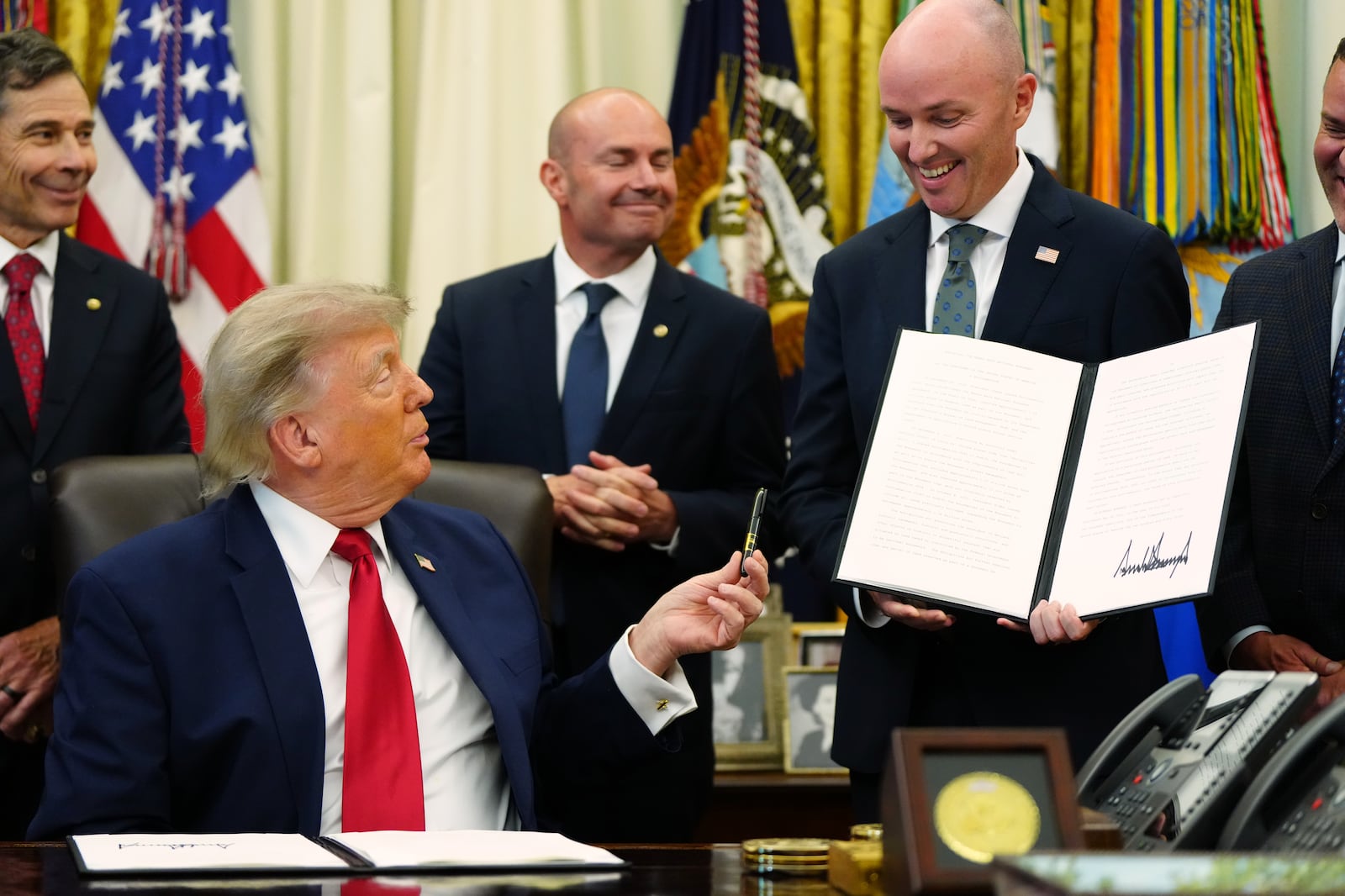
The orders reduce Grand Staircase-Escalante from approximately 1.87 million acres to roughly 181,500 acres and Bears Ears from 1.36 million acres to about 121,000 acres. Trump claimed the reductions represent a larger restoration of land to the people of Utah than his first-term actions in 2017. Speaking during a signing ceremony flanked by Utah’s entire Republican congressional delegation, Governor Spencer Cox, and state House Speaker Mike Schultz, Trump said, “We’re actually giving more than we did the first time back to the people of Utah.”
This marks the second time Trump has dramatically cut the monuments. During his first presidency in 2017, he reduced Bears Ears by approximately 85 percent and Grand Staircase-Escalante by nearly half in what was then considered the largest reduction of federal land protections in U.S. History. President Joe Biden restored both monuments to their original boundaries in 2021, adding 12,000 additional acres to Bears Ears. Trump’s latest action reverses those restorations and makes even deeper cuts.
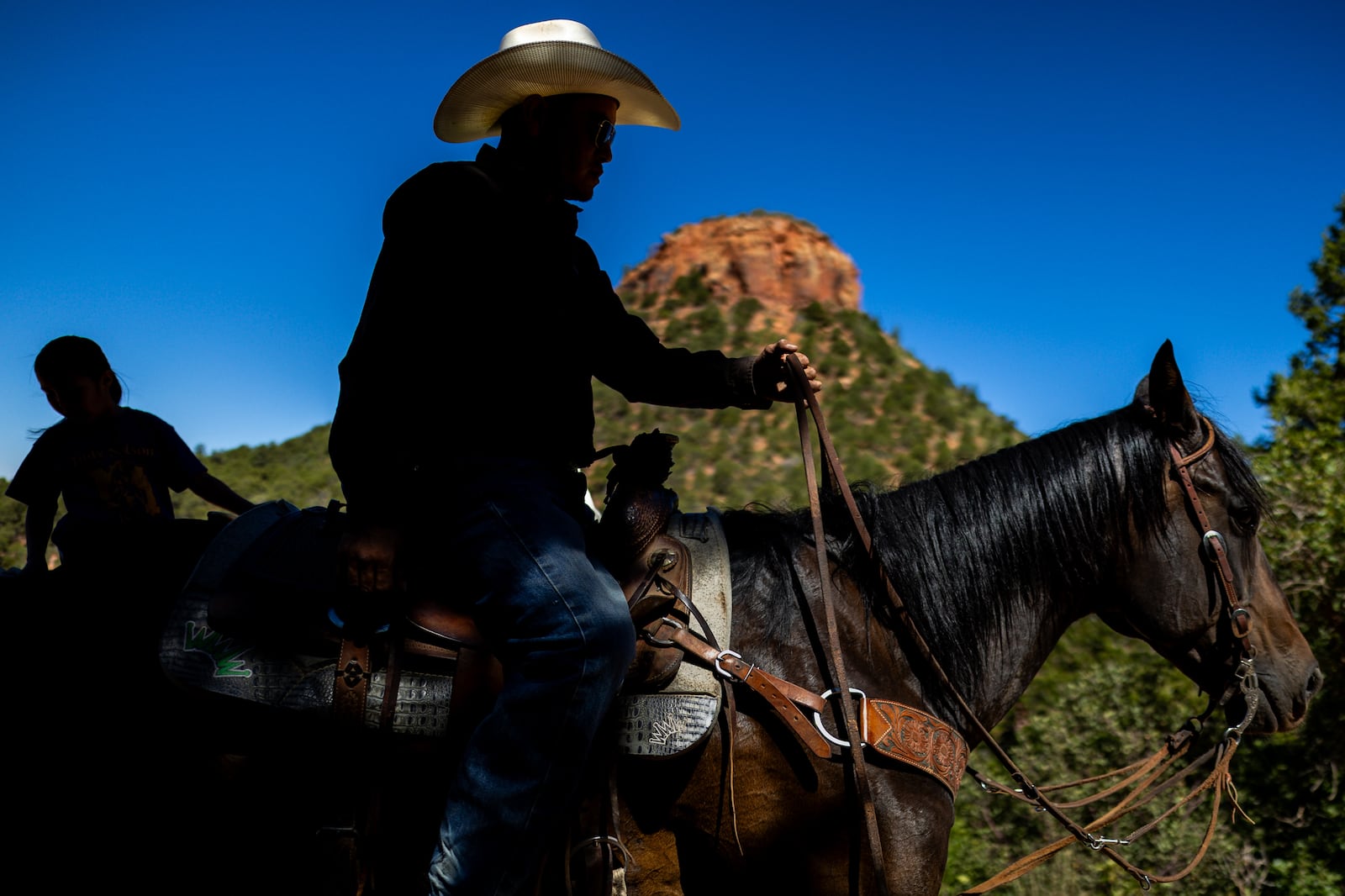
The monuments have been at the center of a three-decade political struggle pitting Utah’s Republican leaders and industry interests against conservation groups, environmental advocates, and tribal nations. The Grand Staircase-Escalante monument was established by President Bill Clinton in 1996 as the largest national monument ever created at that time. Bears Ears was designated by President Barack Obama in 2016 at the request of five tribal nations who consider the area sacred.
Trump and his Republican allies frame the reductions as returning land to local control and addressing what they view as an overreach of the Antiquities Act, the 1906 law authorizing presidents to establish monuments on federal lands. Senator Mike Lee, a Utah Republican, stated the proclamations show Trump “respects the limits Congress placed on the Antiquities Act,” arguing that “for too long, presidents have weaponized monument designations to lock up millions of acres, close roads, restrict grazing, and cut rural communities off from lands their families have lived on and worked for generations.”
Governor Cox argued the monuments should be smaller, stating that multi-million-acre designations “bigger than the state of Delaware certainly do not fit” the law’s requirement that monuments protect only the smallest area necessary to safeguard historic or scientific objects.
However, environmental organizations and tribal representatives strongly oppose the reductions. Conservation groups argue the Antiquities Act is a “one-way statute” that allows presidents to create monuments but does not give them authority to shrink those created by predecessors. The Southern Utah Wilderness Alliance called the action “unlawful, unwise and unacceptable,” with legal director Steve Bloch vowing to challenge it in court.
The order also cuts a planned collaborative relationship between federal agencies and tribal nations. Bears Ears was the first national monument in U.S. History to be created at the request of Native American tribes and was designed to be co-managed by the five tribes of the Bears Ears Commission: the Navajo Nation, Ute Indian Tribe, Ute Mountain Ute Tribe, Hopi Tribe, and Pueblo of Zuni. Tribal representatives say the sites contain thousands of years of cultural heritage, including ancient dwellings, petroglyphs, and ceremonial spaces still used today for traditional practices.
Davina Smith-Idjesa, a Navajo representative and co-chair of the Bears Ears Inter-Tribal Coalition, said the decision demonstrated that tribal nations “are overlooked” in the decision-making process and characterized the area as “a living cultural site.” The order specifically revoked the tribal co-stewardship framework for both monuments that had been established through the Biden administration’s approach.
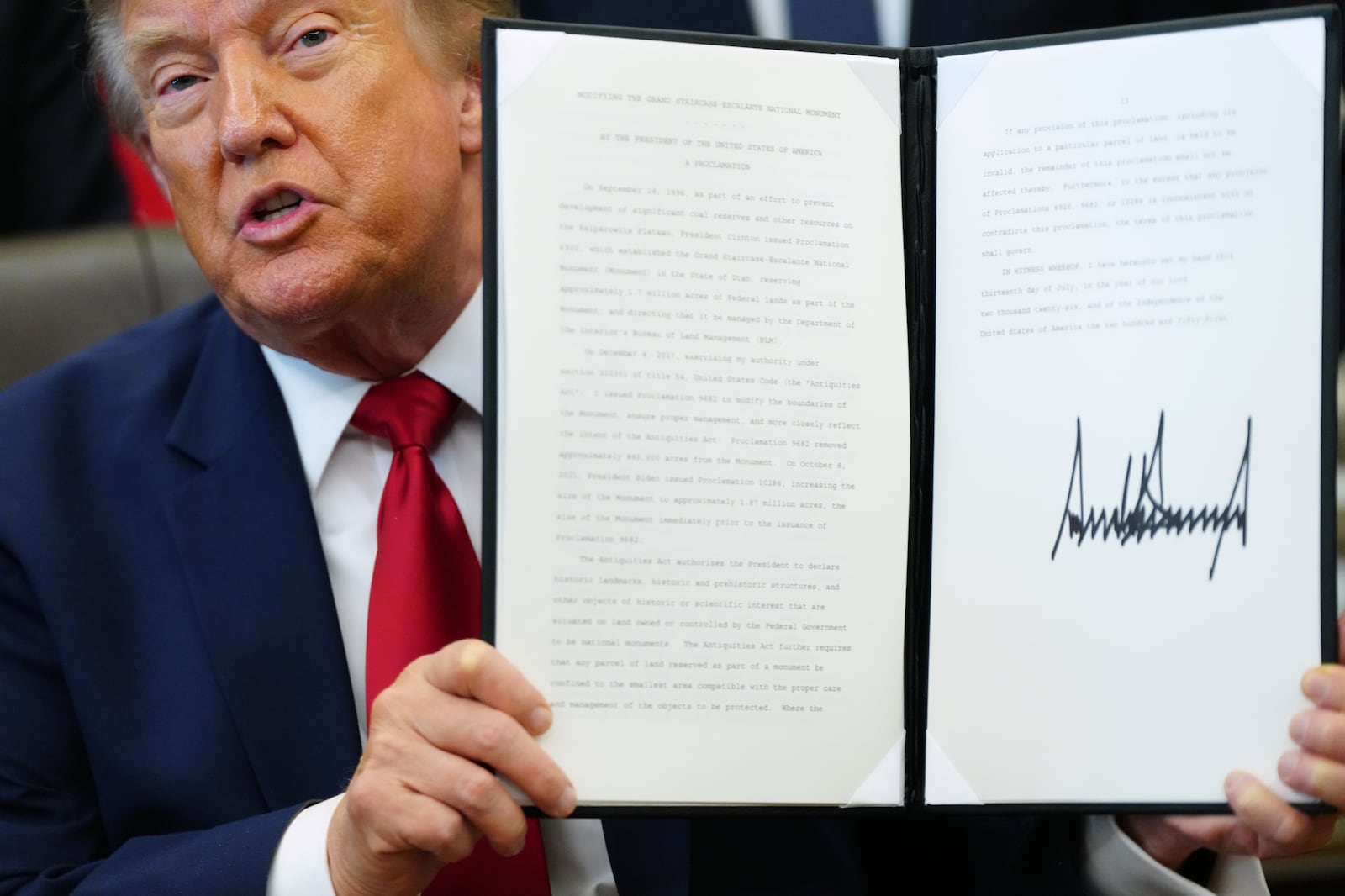
The reductions create significant legal uncertainty. Several lawsuits from the 2017 reduction remain pending in federal court, including challenges filed by tribes and conservation groups. Courts have not yet resolved whether presidents have authority under the Antiquities Act to rescind or diminish monuments created by predecessors. A Justice Department opinion issued in May 2025 concluded that presidents do have such authority, reversing a 1938 opinion that said otherwise. This legal question is likely to reach courts again, as conservation groups have already vowed to challenge Monday’s action.
The monuments contain valuable mineral deposits, particularly uranium in the Bears Ears region and coal reserves in Grand Staircase-Escalante. While the Bureau of Land Management previously found that these areas have little oil and gas potential, they remain attractive for mining operations. Trump administration officials have emphasized the strategic importance of minerals like copper and uranium for national security, citing an energy emergency declared in early 2025.
Public opinion data presents a mixed picture. A 2024 poll commissioned by the Grand Canyon Trust found that 71 percent of Utah voters supported maintaining Bears Ears and 74 percent supported keeping Grand Staircase-Escalante at their current sizes. A separate 2025 Conservation in the West poll showed 82 percent of Utahns supported leaving monument designations in place. However, a 2023 Deseret News poll found about 42 percent of Utahns supported keeping Bears Ears at its original size while 26 percent opposed it.
The reductions affect how these lands can be used. Monument designations restrict mining claims, oil and gas leasing, coal exploration, and new commercial infrastructure development while preserving opportunities for hunting, fishing, camping, and recreation. Removing land from monument designation does not immediately open it to development but allows those uses to be considered in the future.
The Trump administration has indicated through Interior Secretary Secretarial Order 3418 that further reviews of protected federal lands may be forthcoming. Conservation groups warn that six additional national monuments may be targeted for reduction.
Whether Trump’s orders will withstand legal challenge remains uncertain. The fundamental question of whether presidents can modify monuments created by predecessors has never been definitively resolved by courts, making this a potential high-stakes legal battle for years to come.