

When the power goes out, homeowners face a critical decision: invest in a traditional fuel-powered generator, a battery backup system, or a portable power station. As power outages become more frequent and severe across the United States, understanding the strengths and weaknesses of each option has become increasingly important for families trying to protect their homes and maintain their way of life.
Power outages have reached historic levels, with 2024 marking the highest number of outages in a decade. Recent major weather events including hurricanes, winter storms, and wildfires have demonstrated that outages can extend far longer than expected. Winter Storm Fern in January 2026 left more than one million customers without power, with some areas remaining dark for six days or more. Hurricane Helene in 2024 knocked out power to nearly 5 million customers, with some mountain communities remaining without electricity for two weeks.
Homeowners typically choose between three main backup power solutions, and the best choice depends heavily on anticipated outage duration, budget, and lifestyle priorities.
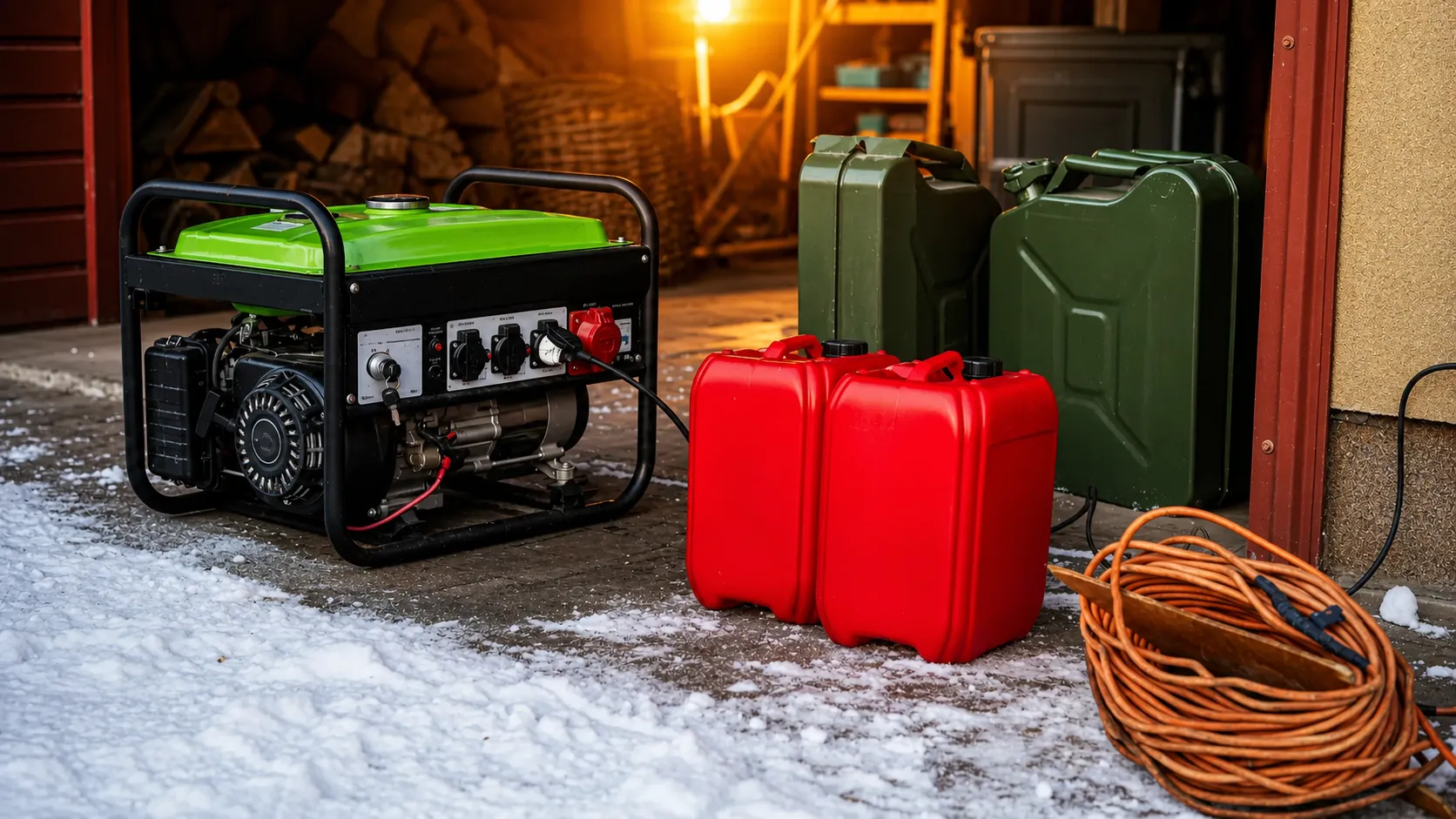
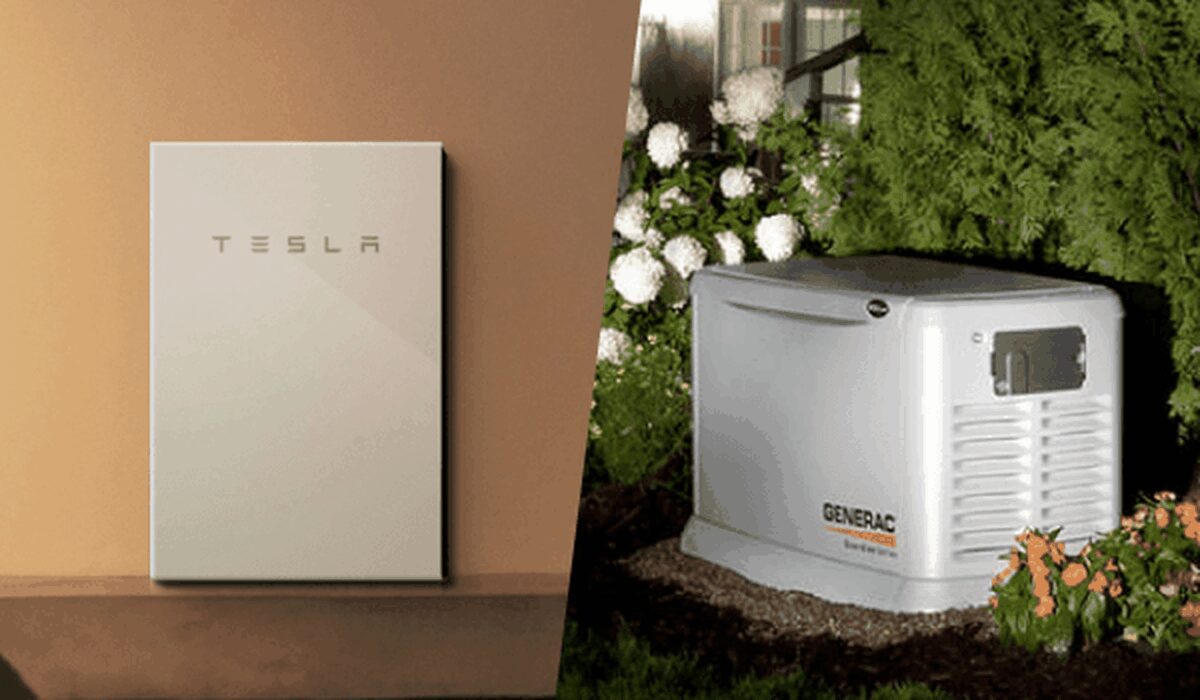
Standby generators—the traditional backup power solution—operate by burning fuel such as natural gas, propane, or diesel to produce electricity. They offer several significant advantages. As long as fuel is available, they can provide unlimited runtime and can power an entire home indefinitely. They require no installation by an electrician in many cases and cost less upfront than battery systems, often starting around ten thousand dollars. These units detect outages automatically and turn on without manual intervention.
However, generators come with notable drawbacks. They are large, loud machines that can disturb neighbors and aren’t practical for apartment dwellers or homes without outdoor space. Regular maintenance is required, including periodic testing, battery replacement, and spark plug changes. Owners must store fuel and rotate it every few months to prevent degradation. During widespread outages caused by natural disasters, fuel can become scarce and expensive. Operating costs add up, with owners spending three hundred to eight hundred dollars annually on fuel and maintenance even when outages don’t occur.
Portable power stations—rechargeable battery systems—have surged in popularity and offer a dramatically different approach to backup power. These units are essentially large lithium-ion batteries with integrated inverters and multiple outlets. They operate silently, produce no emissions, and can be used safely indoors without ventilation concerns. They require minimal maintenance and have no ongoing fuel costs. When paired with solar panels, they can recharge during daylight hours, potentially providing indefinite runtime during extended outages. Prices have dropped significantly, with quality units available for fifteen hundred to five thousand dollars for essential-load backup.
The primary limitation is capacity. A portable power station has a finite amount of stored energy measured in kilowatt-hours. Once depleted, the unit must be recharged—either from the grid when power returns or from solar panels if available. A typical system might power essential loads like refrigerators, lights, and Wi-Fi routers for eight to twenty-four hours, depending on capacity and usage patterns. They are also less convenient than automatic generators, requiring manual setup and connection of extension cords or electrical integration.
Whole-home battery systems represent the premium option, offering comprehensive household backup with automatic operation. Professionally installed units like the Tesla Powerwall or Enphase systems connect directly to a home’s electrical panel with an automatic transfer switch. When the grid fails, these systems detect the outage in milliseconds and restore power almost instantly—so quickly that home occupants may not even notice an interruption. These systems can integrate with solar panels and are designed for long-term operation, providing backup power for hours or days depending on capacity and load management.
The tradeoff is substantial upfront cost. Whole-home battery systems typically range from fifteen thousand to thirty thousand dollars installed, often exceeding the price of a generator system. However, unlike generators, these systems earn their keep year-round by reducing electricity bills. During peak-rate hours, they can power homes using stored energy charged during off-peak periods. In many regions, they qualify for federal tax credits and utility incentives that can significantly reduce the net cost.
The choice between options ultimately depends on outage patterns and priorities. Shorter outages lasting hours to overnight are best handled by portable power stations or whole-home batteries, which provide instantaneous backup without noise or fuel concerns. For extended outages lasting multiple days, particularly in remote areas without solar resources, generators with sustained fuel supply remain more practical. Many energy experts now recommend combining approaches: a battery system handling short-term outages automatically while a backup generator provides extended runtime during catastrophic events.
What matters most when deciding is knowing which appliances truly must stay powered during an outage. A household using only essential loads—refrigerator, lights, medical equipment, and communications—requires far less capacity than one attempting to maintain HVAC and electric heating. Mapping these priorities before purchasing any backup system ensures the investment matches realistic needs and budget constraints rather than unnecessary overbuying.
For most suburban homeowners experiencing typical outages of eight to sixteen hours, battery systems and solar generators offer superior convenience and lower lifetime costs despite higher initial investment. Those in areas prone to week-long outages or without solar access may still find generators more practical. As technology advances and battery prices continue to decline, more households are discovering that the best backup solution isn’t always the cheapest upfront option, but rather the system that best matches their specific situation and keeps their home running when it matters most.