


Gov. Kathy Hochul has signed an executive order imposing the nation’s first statewide moratorium on the construction of large data centers, blocking environmental permits for new facilities for up to one year to allow the state to create protective standards before these power-hungry operations reshape New York’s energy landscape.
The ban applies to hyperscale data centers that use 50 megawatts or more of power, massive facilities that house thousands of computer servers and require enormous amounts of electricity and water to keep cool. Hochul, a Democrat, signed the order Tuesday morning, positioning New York ahead of all other states in directly confronting the rapid expansion of artificial intelligence infrastructure.
“As data center development threatens to hike up utility bills, deplete our natural resources, and create uncertainty for New Yorkers, it’s my responsibility to take action and lead,” Hochul said in a statement. The order pauses state permitting and directs regulators to develop standards addressing environmental impacts, energy demand, water usage, and other critical factors.
The moratorium comes amid unprecedented growth in data center proposals seeking connections to New York’s electrical grid. As of May, more than 12 gigawatts of very large energy-using loads, including data centers, were in line to connect to the state’s system. The New York Independent System Operator reported its large-load interconnection queue grew from six projects totaling roughly 1,045 megawatts in 2022 to 48 proposals totaling approximately 12 gigawatts by December 2025, reflecting the explosive demand driven by artificial intelligence development.
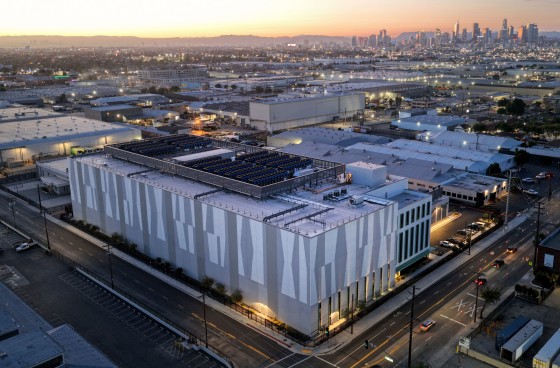
The expansion of data centers nationwide is driving concerns about rising electricity bills and environmental strain. A recent the outlet/Ipsos poll found that only one in three Americans approve of the fast pace of data center construction, with most opposing facilities in their own communities. Dozens of state legislatures have introduced bills to manage data centers’ effects on power bills and local environments, making New York the first to impose a full statewide freeze.
The move follows the legislature’s own efforts to address the issue. In June, both houses of the New York State Legislature passed the Responsible Data Center Development Act, which defines large data centers as facilities with a peak demand of at least 20 megawatts and imposes a one-year moratorium on permits. The Senate approved the bill 44-16 and the Assembly 102-39 in the final hours of the legislative session. Hochul’s office initially described the legislation as complex and said additional work was needed. Rather than wait, the governor opted for executive action that would take effect immediately.
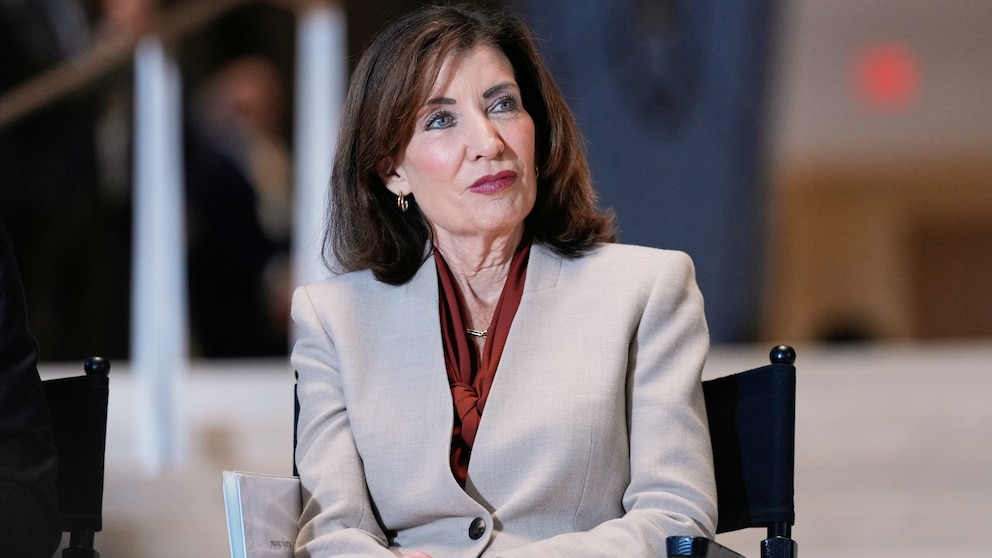
The executive order initiates a broader regulatory process. During the moratorium, the state’s Department of Environmental Conservation will not issue discretionary permits not already deemed complete. The Department of Public Service will work to create a generic environmental impact statement for evaluating proposed projects’ effects on water and air quality as well as energy impacts. The state will also seek to require data centers to contribute to funds supporting the electrical grid and establish frameworks to help localities negotiate their own agreements.
Hochul also signaled intent to pursue additional legislation when the state legislative session resumes in January to repeal existing sales tax exemptions for large data centers. That exemption has sparked controversy, particularly in Rockland County where a local agency approved $77 million in tax breaks for JPMorgan Chase to expand a data center, triggering public outrage.
The decision reflects growing national debate over data center expansion. Maine’s legislature passed a similar moratorium in April, but Gov. Janet Mills, a Democrat, vetoed it because it would have blocked a proposed data center in a town struggling after a local mill closure. With Maine’s veto, New York became the first state to successfully enact a comprehensive statewide ban.
Opposition to the moratorium exists, particularly among economic development advocates and the technology industry. Hochul’s Republican opponent in the governor’s race, Nassau County Executive Bruce Blakeman, opposes the statewide moratorium and argues local governments should be allowed to strike deals with tech companies for data center projects that promise sufficient economic benefits. Tech companies and other backers of data center expansion contend that blocking construction hurts job growth for local communities and surrenders competitive advantage to China in the race to lead the rapidly growing AI industry.
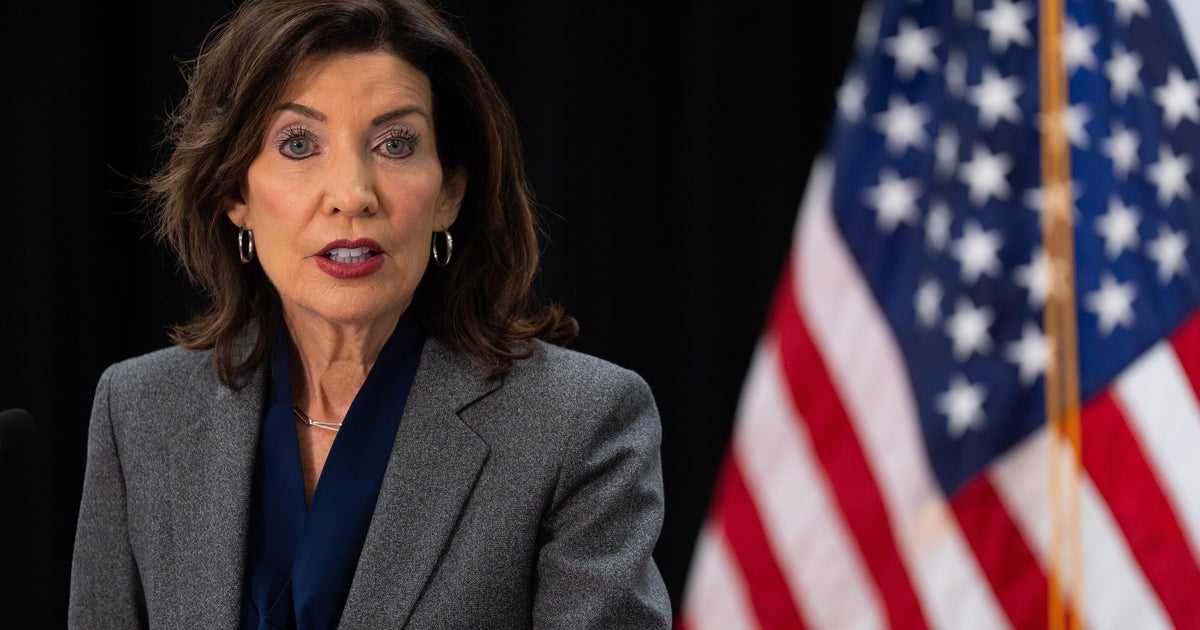
Supporters of the pause, however, emphasize environmental and consumer protection. Environmentalists note that one in four New Yorkers already struggle to afford energy bills without the rapid buildout of AI data centers. The facilities consume massive amounts of electricity and water, potentially straining both resources and raising costs for ordinary ratepayers, particularly if utilities must invest in grid infrastructure upgrades to accommodate the new demand.
The moratorium positions New York as a test case for how states might manage artificial intelligence’s infrastructure needs. Data center proposals are increasingly appearing across the state, though New York has not yet become a major destination for the largest hyperscale facilities. Lawmakers and regulators in dozens of states are now weighing their own measures to limit data centers’ effects on electricity grids, utility bills, and local communities, with many watching how New York’s framework develops.