

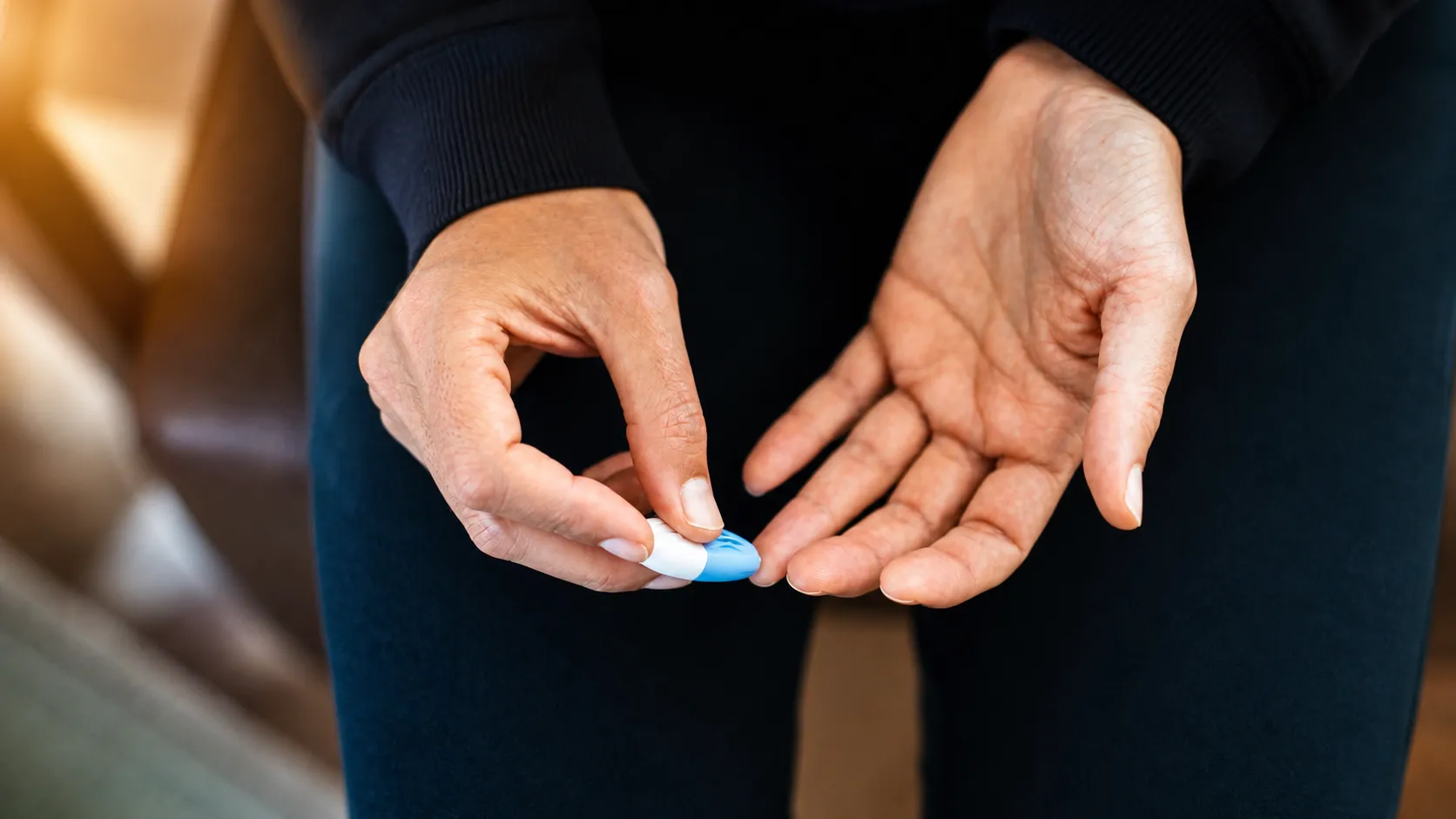
A simple finger-prick blood test may one day help doctors spot who is more likely to develop major illnesses, including cancer.
The process uses a tiny blood sample taken from the fingertip and sent away to be examined.
At the moment, finger-prick tests are commonly used to monitor markers such as blood sugar, cholesterol, hormone levels, vitamin and mineral status, and allergies.
Now, scientists say the same approach could also be useful for monitoring metabolic health linked to non-communicable diseases, often shortened to NCDs.
The World Health Organization says these diseases ‘tend to be of long duration and are the result of a combination of genetic, physiological, environmental and behavioural factors’. The main types of NCDs are cardiovascular diseases, cancers, chronic respiratory diseases, and diabetes.
NCDs remain one of the world’s biggest health threats. WHO says they are responsible for about 74 percent of all deaths globally, and over 43 million people died from them in 2021. Researchers believe wider use of straightforward blood testing could help identify risk earlier, giving people more time to seek treatment or make changes before disease develops.
That could have major implications for healthcare systems globally, especially as the burden of NCDs continues to rise alongside ageing populations, obesity, diabetes, and other metabolic risk factors.

In a paper published in Frontiers in Science, researchers pointed to the glucose ketone index, or GKI, as a potentially important tool for assessing risk factors tied to NCDs. Measuring GKI requires a finger-prick blood test.
GKI looks at the relationship between glucose and ketones in the blood, offering a more detailed snapshot of a person’s metabolic condition.
In practice, GKI has mainly been discussed as a monitoring tool for ketogenic or metabolically focused therapies rather than as a mainstream screening test, and experts say more validation is needed before it could be used routinely to predict disease risk.
If testing shows that somebody may be at higher risk, it could give them the chance to adjust their lifestyle in response. For instance, a person vulnerable to cardiovascular disease might reduce sodium and saturated fat intake or increase how often they exercise.

Explaining why GKI and finger-prick testing may help reduce the number of people developing these conditions, lead author Thomas Seyfried, Professor of biology and genetics from Boston College, said (per News Medical):
“Within the next few decades, NCDs could account for up to 75 percent of all disability-adjusted life-years, contributing to a substantial decline in life expectancy.
“These conditions are not the result of genetic fate but are largely shaped by lifestyle factors. This GKI-based metabolic roadmap outlines a proposed clinical pathway that could support the prevention and management of cancer and chronic disease.”
Even so, the researchers cautioned that more clinical research is still needed to confirm whether finger-prick testing can reliably predict a person’s disease risk.