

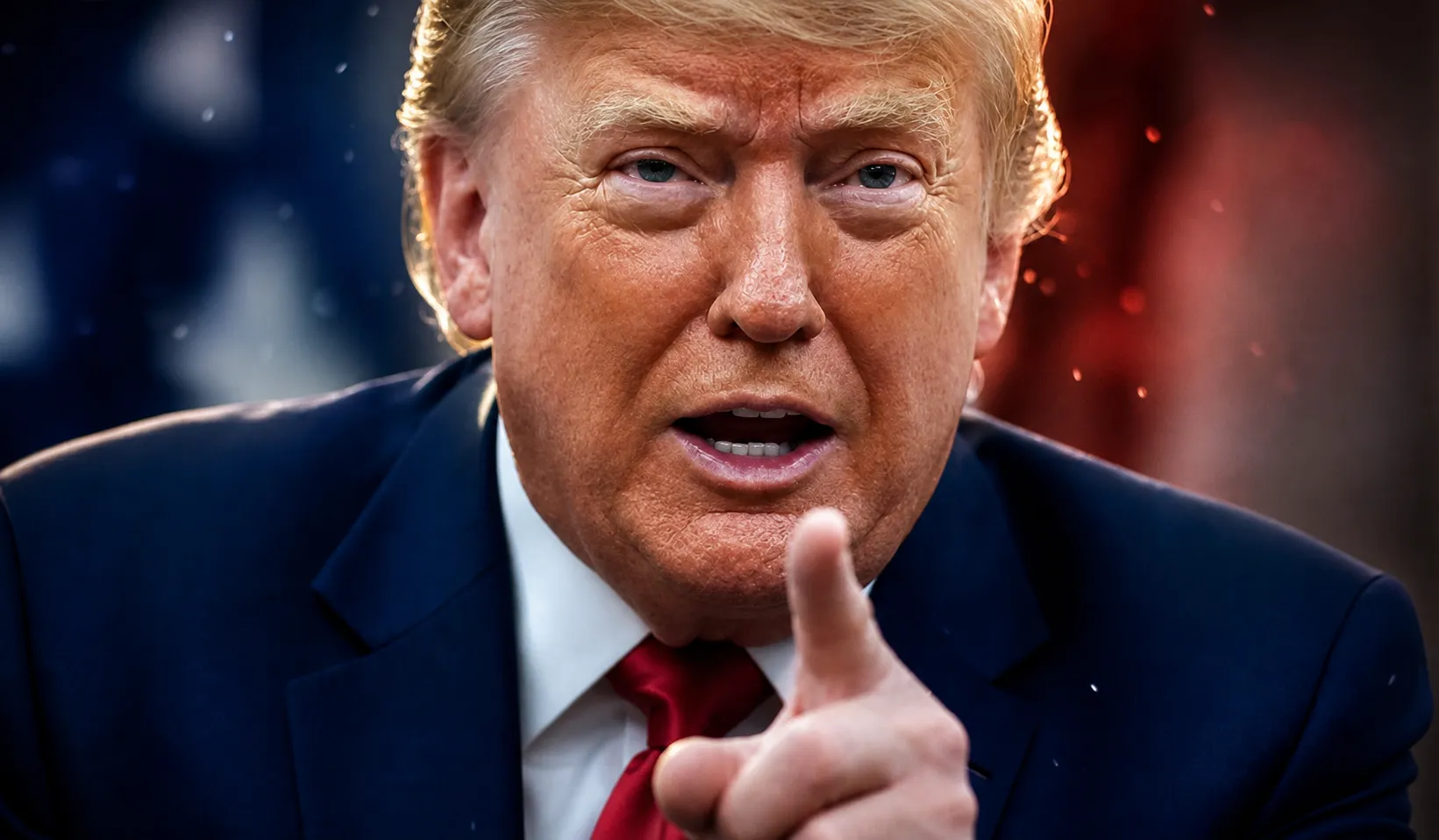
President Donald Trump will deliver a primetime address Thursday evening focused on elections, continuing a pattern of revisiting long-debunked conspiracy theories about his 2020 defeat to Democrat Joe Biden. The speech, scheduled for 9 p.m., comes as Trump has intensified efforts to reshape voting rules ahead of November’s midterm elections that could threaten his hold on Congress.
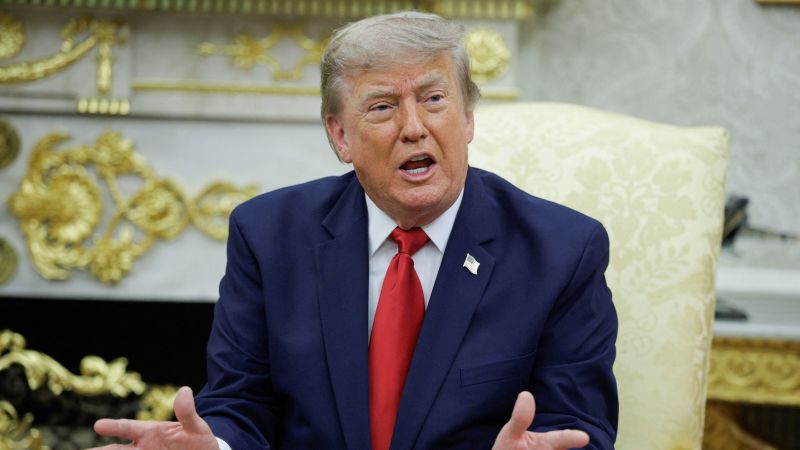
Trump has remained coy about the specific details of his address, telling reporters Tuesday that he wanted to “save it” for the moment. “It doesn’t get bigger, because without free and fair elections, you don’t have a country,” he said in the Oval Office. He added that the speech would be “a very big announcement” while acknowledging there would be “other things” to discuss as well.
According to reports, Trump plans to discuss voting machine security and what he describes as vulnerabilities in American elections. The address is expected to feature newly declassified intelligence that the White House asserts reveals irregularities in voting systems from the 2020 election. Security experts and Democratic officials have raised concerns that Trump will use the platform to amplify false election fraud claims before an audience of millions during a critical election season.
The speech comes as Trump has escalated his assault on federal election institutions. Last week, he ousted the remaining three members of the bipartisan Election Assistance Commission, a panel that had resisted his efforts to require voters to document their U.S. Citizenship before registering. The Democratic commissioners were fired by email, while the Republican commissioner was asked to resign. All three had been confirmed by the Senate unanimously.
The Election Assistance Commission, created in 2002 following the 2000 election disputes, was structured deliberately as a bipartisan agency to help states run secure elections. Without commissioners, the agency lacks a quorum and cannot formally act on matters ranging from certifying voting systems to updating guidance for states. Democratic Senate leaders called the move a “brazen attempt to seize control” of elections.
Trump’s fixation with 2020 election fraud claims extends back years. In 2016, after refusing to say whether he would accept defeat to Hillary Clinton, he created a voting integrity commission after winning. That commission disbanded without finding evidence of widespread voter fraud. After losing to Biden in 2020, Trump pressured Georgia’s secretary of state to “find 11,780 votes” to overturn the election result. He and more than a dozen allies were indicted in Georgia on charges related to those efforts, though the charges were later dropped.
Repeated audits and reviews, many conducted by Republicans including Trump’s own attorney general at the time, have found no significant fraud in the 2020 election. Yet Trump has made voting regulation central to his second term, demanding legislation requiring voter ID and sharply limiting mail-in voting. He has frequently declared that he won the White House “three times.”
Recently, Trump renewed baseless claims about the Los Angeles mayoral primary. During a Monday interview, he claimed Republican Spencer Pratt lost his primary because of fraud, citing California’s slow vote counting process. Federal prosecutors opened fraud investigations in California after Trump drew attention to the claim.
Democratic opposition to Thursday’s address has been swift. Georgia Senator Jon Ossoff said Trump’s continued focus on 2020 reflects his inability to accept the possibility of losing. “The failed president, pocketing billions as he drives up prices, is afraid to lose the midterms,” Ossoff said on social media. “So he will reheat debunked election conspiracy theories and tell bizarre new lies to deny his 2020 defeat and attack voting rights.”
Maryland Governor Wes Moore, campaigning for Democratic candidates in Georgia, said Americans are exhausted by conversations about an election nearly six years past with a settled answer. “He continues to bring this up because he cannot get out of his mind that he actually could have lost,” Moore said.
Since returning to office, Trump has staffed his administration with officials who embrace his false claims about 2020 election fraud. The Justice Department, led by appointees willing to pursue Trump’s election grievances, has struggled to prosecute cases of voter fraud based on the conspiracy theories the administration has prioritized. Meanwhile, FBI agents have raided election offices in Fulton County, Georgia, seizing materials from 2020, with Trump’s then-director of national intelligence Tulsi Gabbard overseeing the operation.
Trump’s address is the latest in a series of efforts by the administration to release classified documents and sow doubt about election integrity before the midterms. Election security experts warn that by continually spreading false claims about how elections are run, Trump is creating pretexts to challenge potential Democratic victories in November and laying groundwork to justify restrictive voting legislation that advocates argue would disenfranchise voters rather than protect election integrity.