

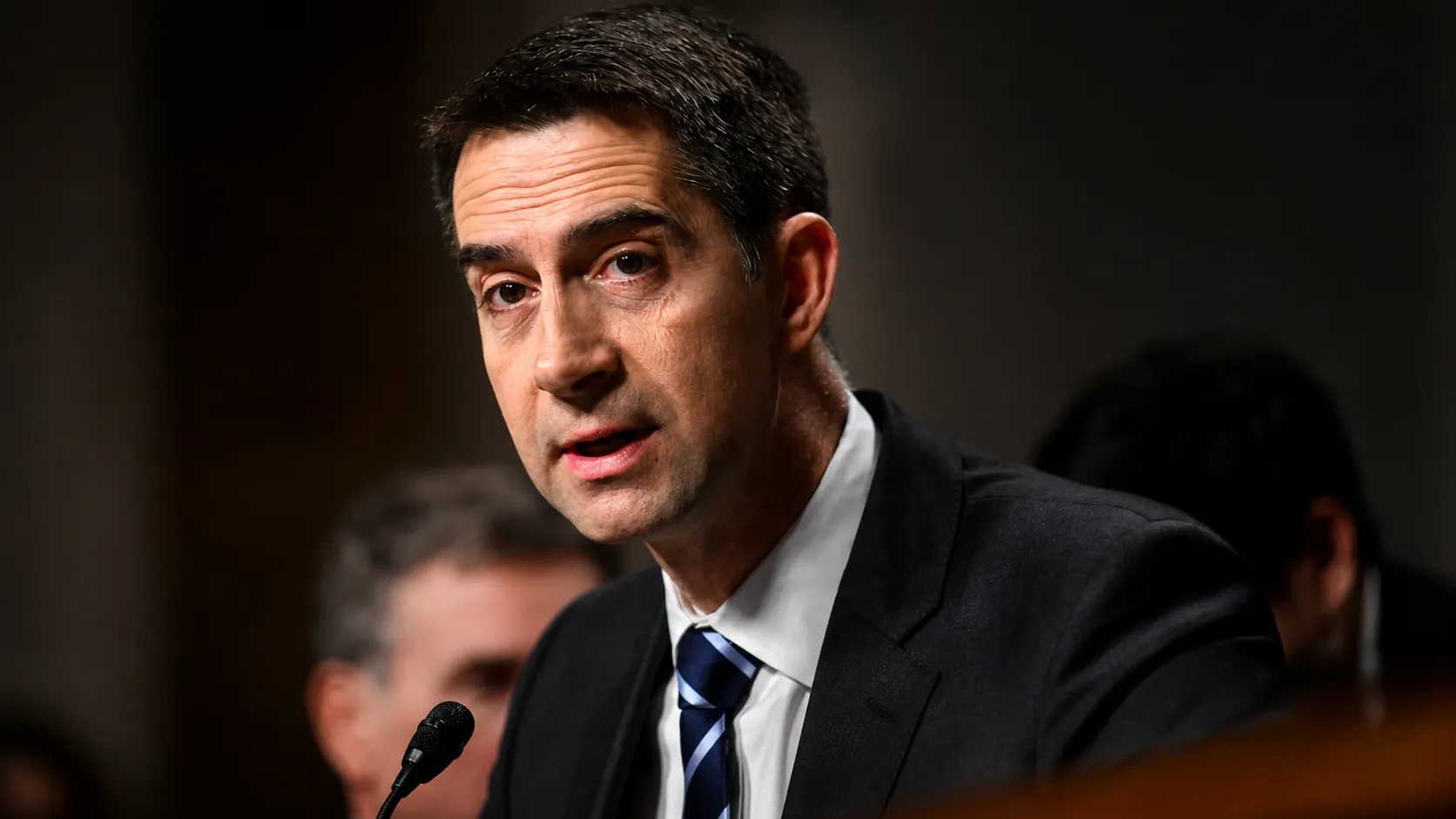
Jay Clayton, President Donald Trump’s pick to head the nation’s intelligence agencies, is testifying before the Senate Intelligence Committee on Wednesday following a weeks-long delay triggered by the president himself.
Clayton, the U.S. Attorney for the Southern District of New York and a former Securities and Exchange Commission chairman, will appear for his confirmation hearing after Trump abruptly canceled his originally scheduled appearance last month. The unusual reversal came as Trump pushed Senate Republicans to delay the hearing, citing concerns about moving too quickly and demanding that the Senate first approve a replacement for Clayton in his role as the federal prosecutor for New York.
The delay allowed Bill Pulte, Trump’s controversial pick for acting director of national intelligence, to take office on June 19. Pulte, the director of the Federal Housing Finance Agency with no known intelligence background, has drawn swift criticism from Democrats and some Republicans who expressed alarm over his lack of qualifications and his history of using his government positions to investigate Trump’s perceived political adversaries.
The appointment of Pulte triggered a serious standoff in Congress. Democrats refused to provide necessary votes for bipartisan legislation to renew Section 702 of the Foreign Intelligence Surveillance Act unless Trump withdrew or reversed Pulte’s temporary appointment. Section 702, which authorizes the government to monitor communications of targeted foreigners located outside the United States without a warrant, is considered critical to counterterrorism efforts. The provision expired in June after Congress failed to extend it, marking the first lapse since 2008.
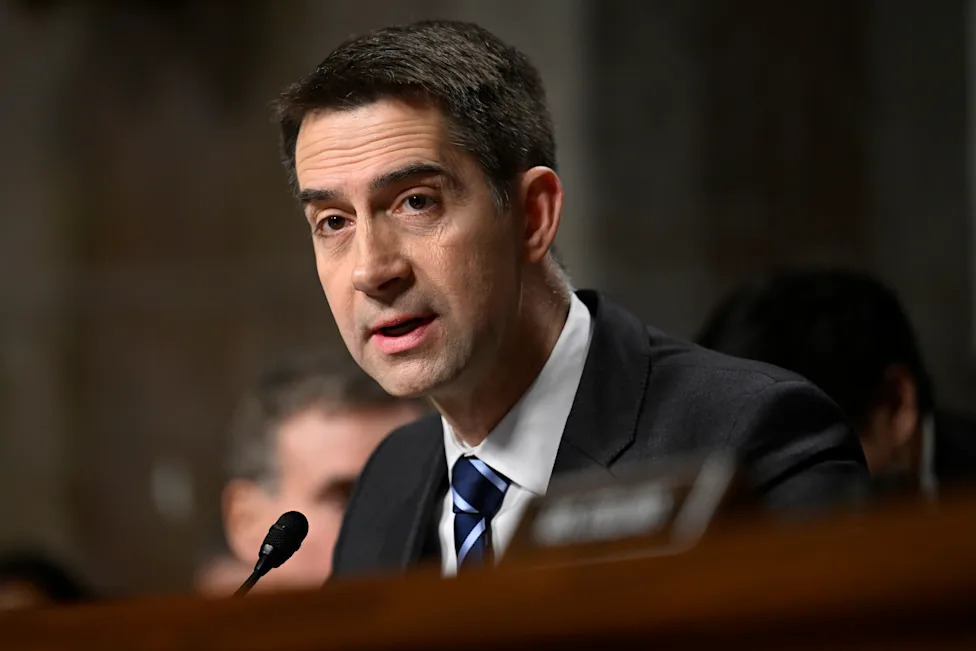
Trump ultimately nominated Clayton for the director of national intelligence position permanently on June 11, hours before the surveillance authority expired. Clayton’s nomination came after intense pressure from Senate Republicans alarmed by Pulte’s selection and the dysfunction it created. Senate Intelligence Committee Chairman Tom Cotton, a Republican from Arkansas, expressed frustration over Trump’s decision to delay Clayton’s hearing, saying in a social media post that Clayton had been instructed not to appear at the originally scheduled confirmation hearing.
Cotton eventually rescheduled the hearing for three weeks later, with apparent approval from the White House. “Mr. Clayton is a patriot and a highly qualified nominee, as the president has said repeatedly,” Cotton said of Clayton.
Republicans and even some Democrats have expressed eagerness to quickly confirm Clayton, viewing him as a qualified alternative to Pulte. The interim arrangement at the Office of the Director of National Intelligence had created what lawmakers across both parties saw as an untenable situation. The position was created in the aftermath of the September 11, 2001, attacks to ensure that information was shared across the country’s spy agencies. The director oversees 18 spy services and serves as the president’s principal intelligence adviser.
Clayton’s confirmation hearing comes amid serious Democratic concerns that the Trump administration could attempt to use intelligence agencies to interfere with midterm elections scheduled for November. The timing coincides with Trump’s plans to deliver a primetime address Thursday focused on elections, raising Democratic worries that he could revisit debunked conspiracy theories about his 2020 defeat to Democrat Joe Biden.
While Clayton has received bipartisan praise, Democrats are expected to aggressively question him during Wednesday’s hearing about how he would approach the issue of election interference and whether he would provide unvarnished intelligence assessments to the president rather than analyses shaped by political considerations.
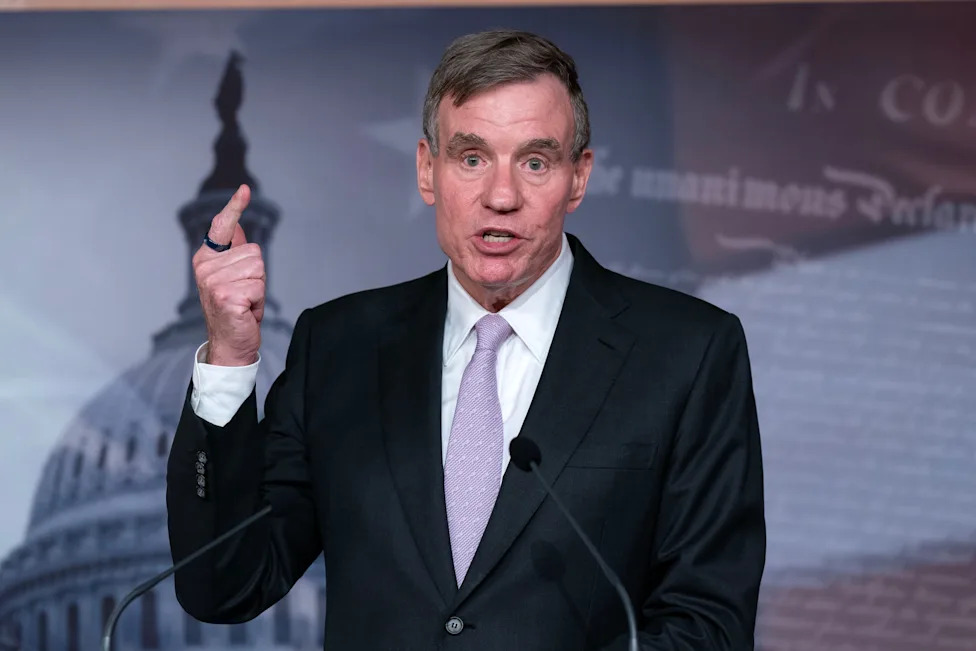
Senior Democrats who have praised Clayton include Virginia Senator Mark Warner, the top Democrat on the Senate Intelligence Committee, who said in June that he has “known and respected Jay Clayton for many years and believe he is a capable public servant.” Connecticut Representative Jim Himes, the top Democrat on the House intelligence panel, noted that when Clayton served as SEC chairman, “he had the independence of mind and respect for the law that are necessary for any Director of National Intelligence.”
However, Oregon Senator Ron Wyden, a Democratic member of the intelligence committee, has accused Trump of expecting “whomever is Director of National Intelligence to promote his baseless election conspiracy theories.”
Clayton faces additional scrutiny over subpoenas he issued to three the outlet journalists last week after they reported on security features missing from the new Air Force One, which was donated by Qatar. The journalists have been ordered to testify before a Manhattan federal grand jury on Wednesday, the same day as Clayton’s confirmation hearing.
Democrats have suggested they may allow an accelerated vote on Clayton’s confirmation to replace Pulte, though most are still expected to ultimately oppose his nomination. Connecticut Senator Richard Blumenthal said Tuesday that while he expects to oppose Clayton, he would not object to an expedited confirmation process that could allow Republicans to move quickly if they choose to do so.
Clayton’s confirmation could potentially clear the way for renewed efforts to pass bipartisan legislation extending Section 702. However, it remains unclear whether Trump would sign such legislation. In his June social media post delaying Clayton’s nomination, Trump threatened not to sign the FISA renewal without his “SAVE America Act,” which would require proof of citizenship for all voters — legislation that lacks sufficient votes to pass the Senate.