

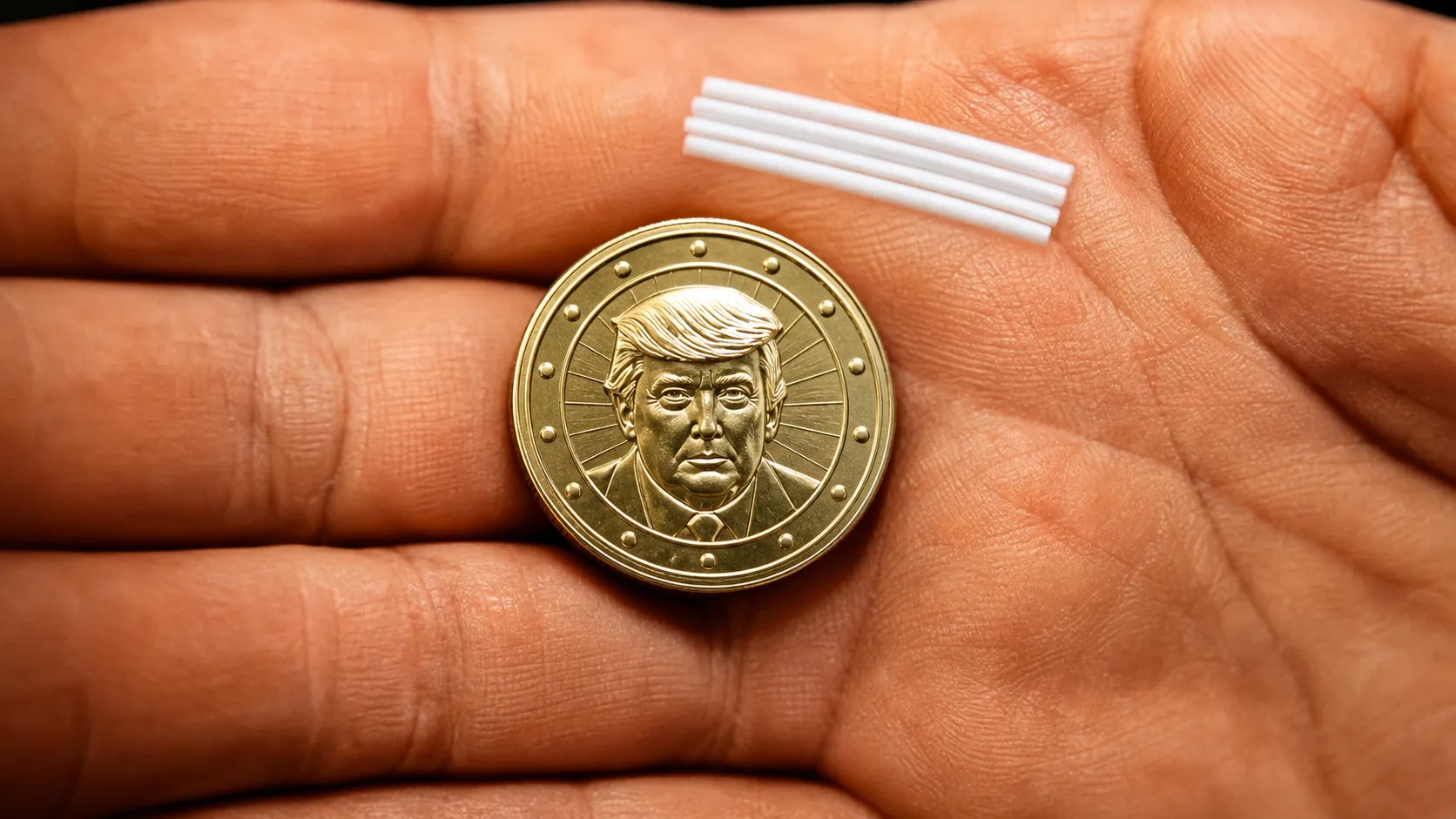
Donald Trump’s planned commemorative $1 coin for the United States’ 250th anniversary has sparked a legal debate, with critics questioning whether a living president can appear on a U.S. Coin at all.
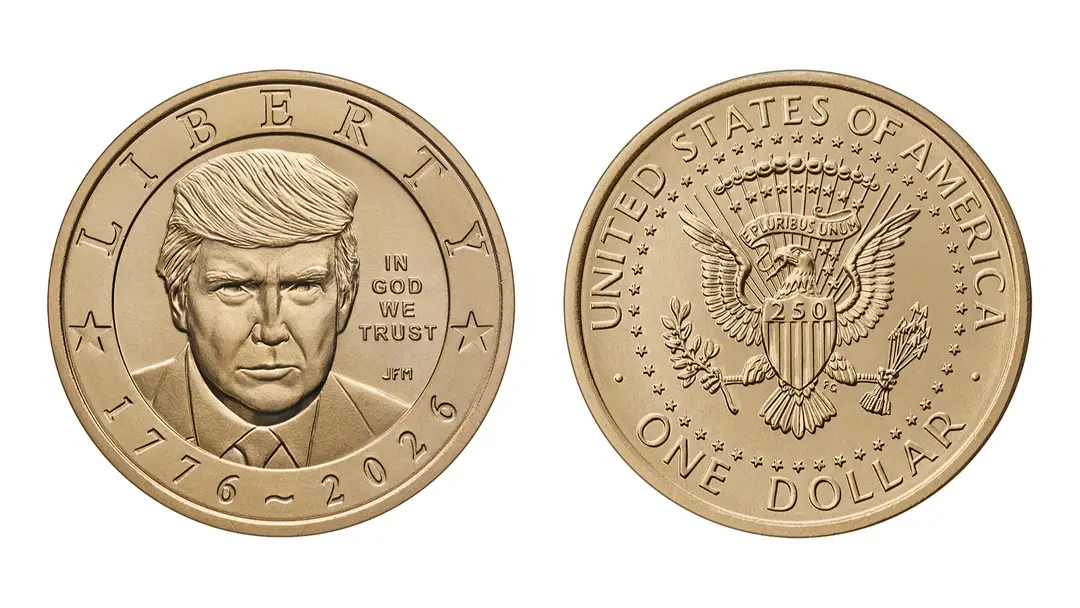
On July 15, 2026, the Treasury Department and the U.S. Mint publicly showed a gold-colored $1 coin design featuring Trump’s profile on the obverse and a bald eagle and the Great Seal on the reverse, saying the coin will be struck to mark America’s semiquincentennial. The Mint’s own media kit says the proposed design is part of the 2026 SemiQ $1 Coin Candidate Designs.
That prospect has triggered a fresh backlash online, largely because many people believe longstanding federal rules prevent living presidents from being shown on American money.
Some social media users argued the move is flatly illegal under historic legislation.
“Federal law strictly prohibits living individuals from being depicted on United States currency.
“Established by the Thayer Amendment of 1866, this law mandates that portraits on U.S. Notes, bonds, and securities only feature deceased persons.”
So, does that mean the proposed coin breaks the law?
The answer appears to be complicated.
On one hand, several federal laws are often cited as evidence that living individuals should not appear on U.S. Currency. On the other, whether those rules apply to this specific anniversary issue in the same way is where the dispute begins.
One of the main statutes being referenced is the 1866 Thayer Amendment, which is widely understood to bar the image of a living person from appearing on American currency, whether on paper money or coins.
There is also the Presidential $1 Coin Act, passed in 2005, which set out the framework for dollar coins honoring former U.S. Presidents.
It states: “No coin issued…may bear the image of a living former or current President, or of any deceased former President during the two-year period following the date of the death of that President.”
But the legal picture is narrower than some online posts suggest. The statutes most often cited by critics are aimed at specific kinds of currency and coin programs, and the Mint’s semiquincentennial $1 coin is being treated by the Treasury as a special anniversary issue rather than an ordinary circulating presidential dollar.
That distinction matters because the 2026 coin program was authorized separately by the Circulating Collectible Coin Redesign Act of 2020, and the Mint has said the $1 design is being produced as part of the nation’s 250th-anniversary commemorations.
That issue was tested in court by retired Portland lawyer James Rickher, who previously tried to block the coin from being produced on the basis that a living president should not be depicted.
However, the case did not end with a ruling on the merits. In June, the judge denied an effort to temporarily stop the coin from moving forward, finding that Rickher had not shown he would suffer the kind of direct personal injury needed to proceed. The court did not decide whether the coin itself violates federal law.
There is also another layer to the argument. Some interpretations suggest that if the piece is treated as a commemorative dollar rather than ordinary circulating currency, it may fall into a different category and not necessarily breach the same restrictions.
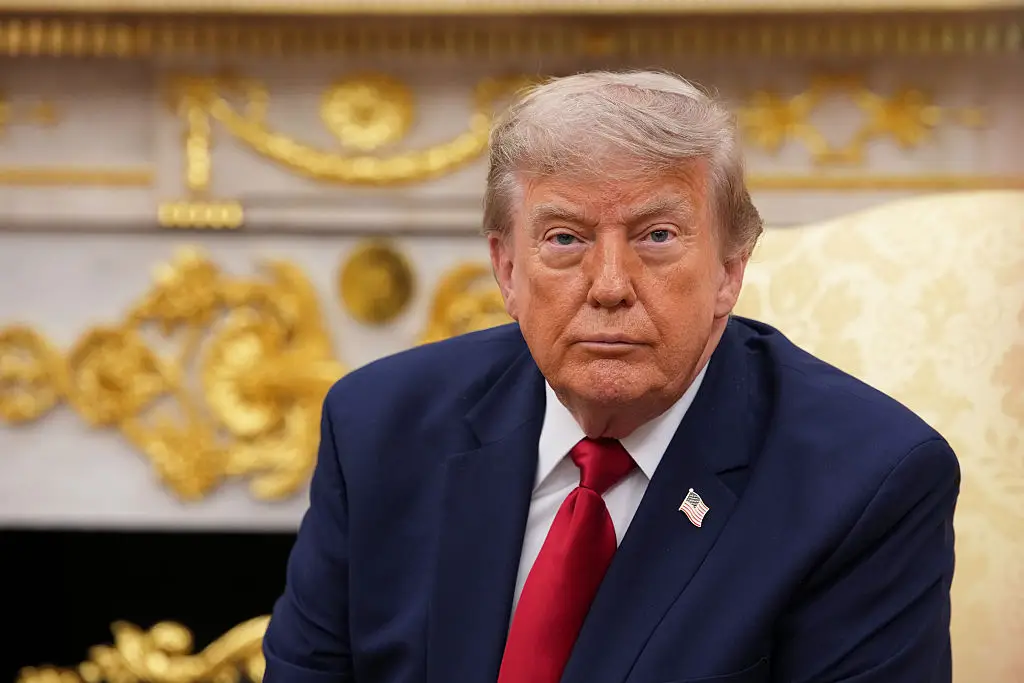
Historically, the U.S. Has almost never placed a living president on its money. Since the Mint began producing American currency in 1792, Calvin Coolidge is noted as the only sitting president to appear on a coin, in 1926.
For the nation’s 250th anniversary, the U.S. Mint has said it plans to issue $1 coins bearing Trump’s portrait. Supporters of the move point to the 2020 Circulating Collectible Coin Redesign Act, which gives the Treasury secretary power to authorize $1 coins “with designs emblematic of the U.S. Semiquincentennial” for a single year.
Even with the legal objections still being raised, Treasury Secretary Scott Bessent has insisted the plan is lawful. Speaking to Fox News on Jesse Watters Primetime, he argued that precedent allows it.
“As Treasury secretary, I only have two mandates: the currency has to say ‘In God We Trust’ somewhere on it and there cannot be an image of a living person,” Bessent said. “During the 150th, there was a Calvin Coolidge coin, so we can put living people’s images on a coin.”