


Meta and YouTube have formally appealed a landmark California jury verdict that held them financially liable for their role in a young woman’s social media addiction and mental health decline, marking the companies’ next step in fighting a ruling that experts say could reshape the social media industry.
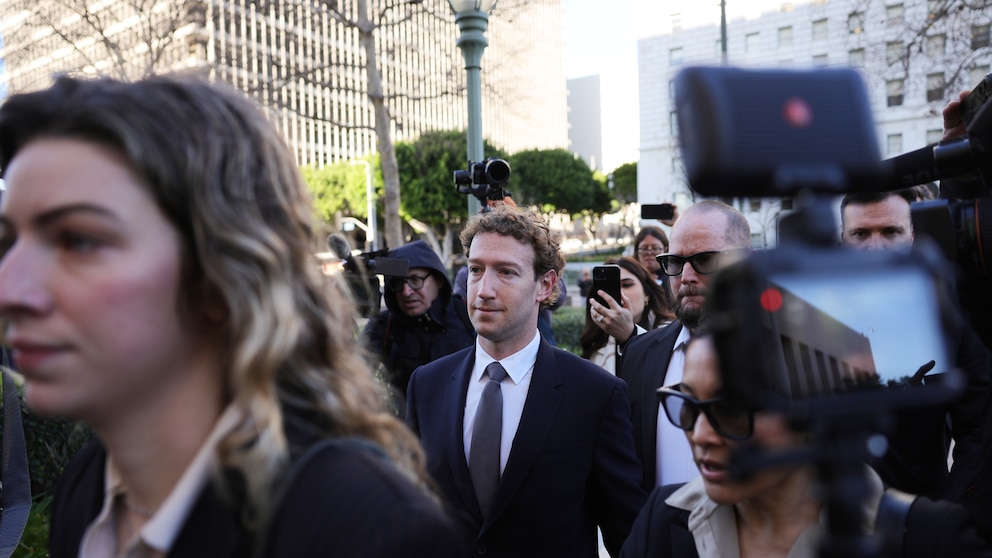
Meta filed its notice of appeal Tuesday in Los Angeles County Superior Court, with Google’s YouTube following suit. Both companies lost a trial that concluded in March after seven weeks of testimony and more than 40 hours of jury deliberations that stretched across nine days. The verdict represents the first time a jury has held major social media platforms accountable for designing products intentionally engineered to hook young users, bypassing longstanding legal protections the tech giants have relied upon for nearly three decades.
The case centered on a 20-year-old woman identified in court by her initials, KGM, and first name, Kaley, who alleged she became addicted to Instagram and YouTube as a child, leading to severe depression, anxiety, body dysmorphia, and suicidal thoughts. The jury found that negligence by both companies was a substantial factor in causing her documented mental health harm. They awarded her $3 million in compensatory damages, with Meta responsible for 70 percent of that amount and YouTube for 30 percent. Jurors also recommended an additional $3 million in punitive damages after concluding the companies acted with “malice, oppression, or fraud,” though final approval of that award rests with the trial judge.
Meta and Google had previously filed post-trial motions asking the court to throw out the verdict or grant a new trial, but Judge Carolyn B. Kuhl denied both requests in early June. With those options exhausted, the companies initiated formal appeals, which typically launch lengthy legal battles in higher courts.
Google characterized the appeal as routine procedure. A spokesperson said the company plans to appeal and that “these are standard motions for this case to move forward.” Meta issued a familiar refrain, stating that teen mental health is “profoundly complex and cannot be linked to a single app,” while vowing to “continue to defend ourselves vigorously.”
The appeals represent a critical juncture for the tech industry. Rather than focusing on the content users see on social media, the trial strategically spotlighted how platforms are architecturally designed. The plaintiff’s lawyers argued that Meta and YouTube deliberately built features including infinite scroll, autoplay, and algorithmic content delivery to maximize engagement in ways that exploit adolescent brain chemistry, much like gambling machines. Evidence presented at trial included Meta’s own internal research showing that Instagram usage worsened body image issues for roughly one in three teenage girls, as well as internal documents referencing platform features as “slot machines.”
To overcome the companies’ Section 230 defense—a legal shield that has protected internet platforms from liability for user-generated content since 1996—the plaintiff’s legal team made a crucial distinction. They argued that while platforms may be protected for what users post, they can still be held accountable for how they design the mechanisms through which content is delivered. Judge Kuhl instructed jurors to apply this distinction, a ruling that appears to have significantly weakened the companies’ traditional legal defense.
The implications extend far beyond this single case. More than 2,600 individual lawsuits are now pending in the national multidistrict litigation, with additional cases filed by school districts and state attorneys general. Experts have compared the litigation to the tobacco industry lawsuits of the 1990s, which ultimately forced major structural changes to how companies marketed their products.
The verdict comes as Meta faces legal troubles on multiple fronts. Just one day before the California jury’s decision, a New Mexico jury found Meta liable under state consumer protection laws for harming children’s mental health and safety, imposing a $375 million penalty against the company.
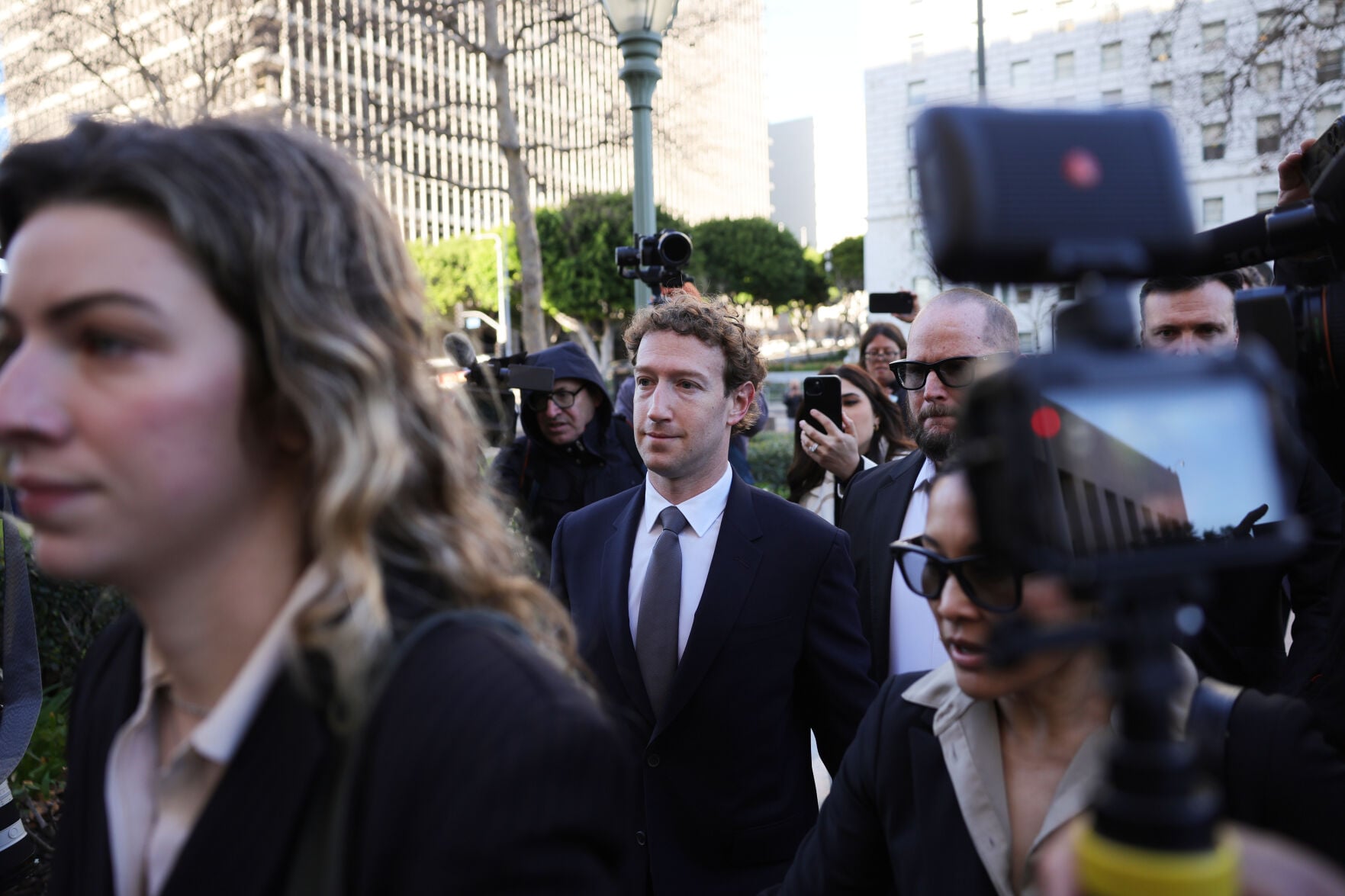
Meta and YouTube’s appeals will focus on legal arguments rather than the facts already decided by the jury, since appellate courts typically defer to juries on factual questions like causation. The companies will likely reiterate arguments about Section 230 protections and First Amendment concerns, challenging whether platform design decisions constitute “publishing” conduct protected from liability.
Mark Lanier, Kaley’s lead attorney, said the legal team expects the appellate court to “continue the careful application of the law to this case, affirming the verdict of the trial court.” As the appeals process unfolds, attention will focus on whether higher courts agree that social media platform design, rather than content alone, can be treated as a defective product subject to traditional product liability law—a determination that could reshape how these companies operate.