

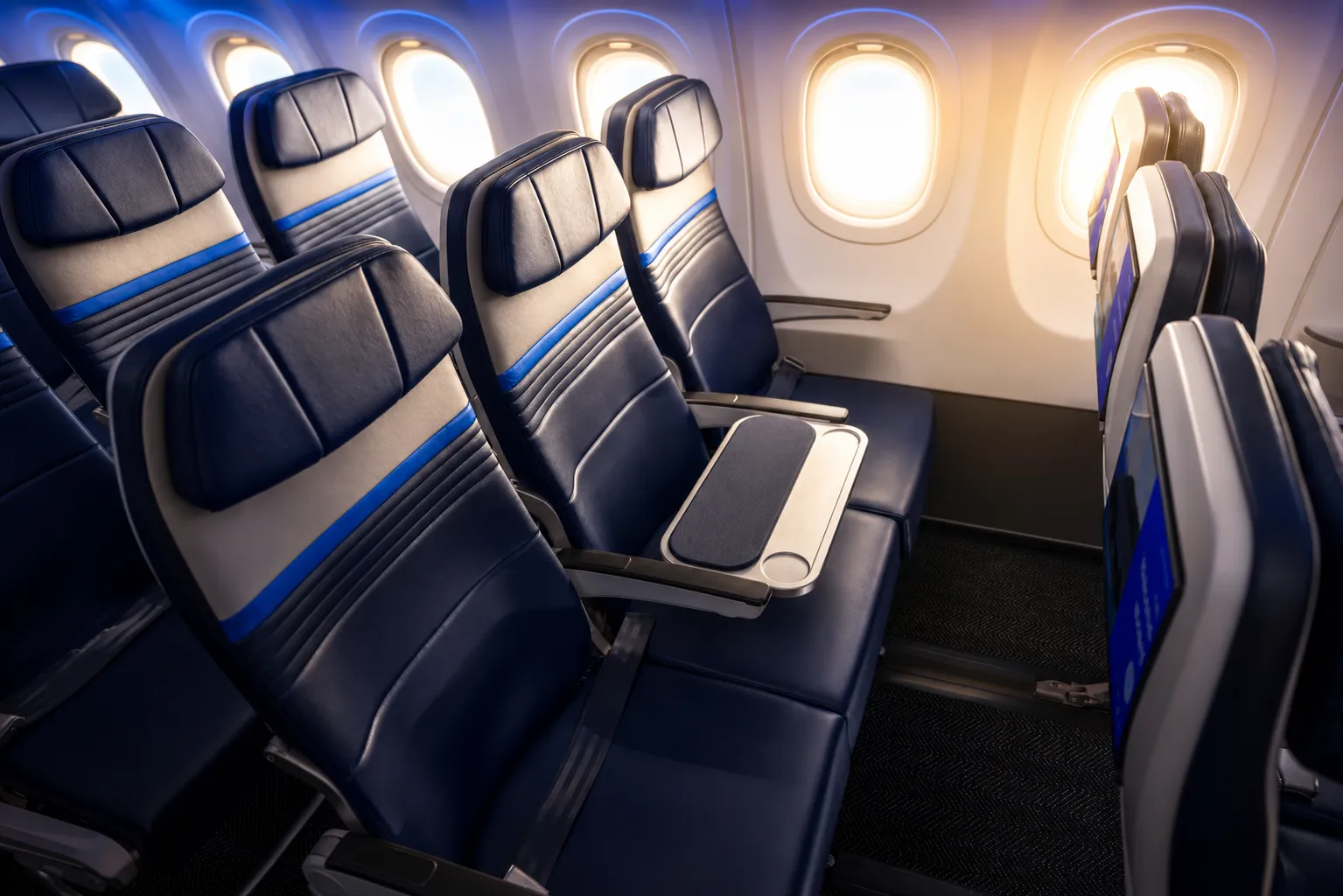
In a move that addresses one of air travel’s most universally disliked features, United Airlines announced this week that it will offer passengers the ability to pay extra for an empty middle seat on some of its newest aircraft. The new Economy Plus option will debut later this year on United’s Airbus A321XLR fleet, with the airline billing itself as the first U.S. Carrier to offer such a seating configuration.
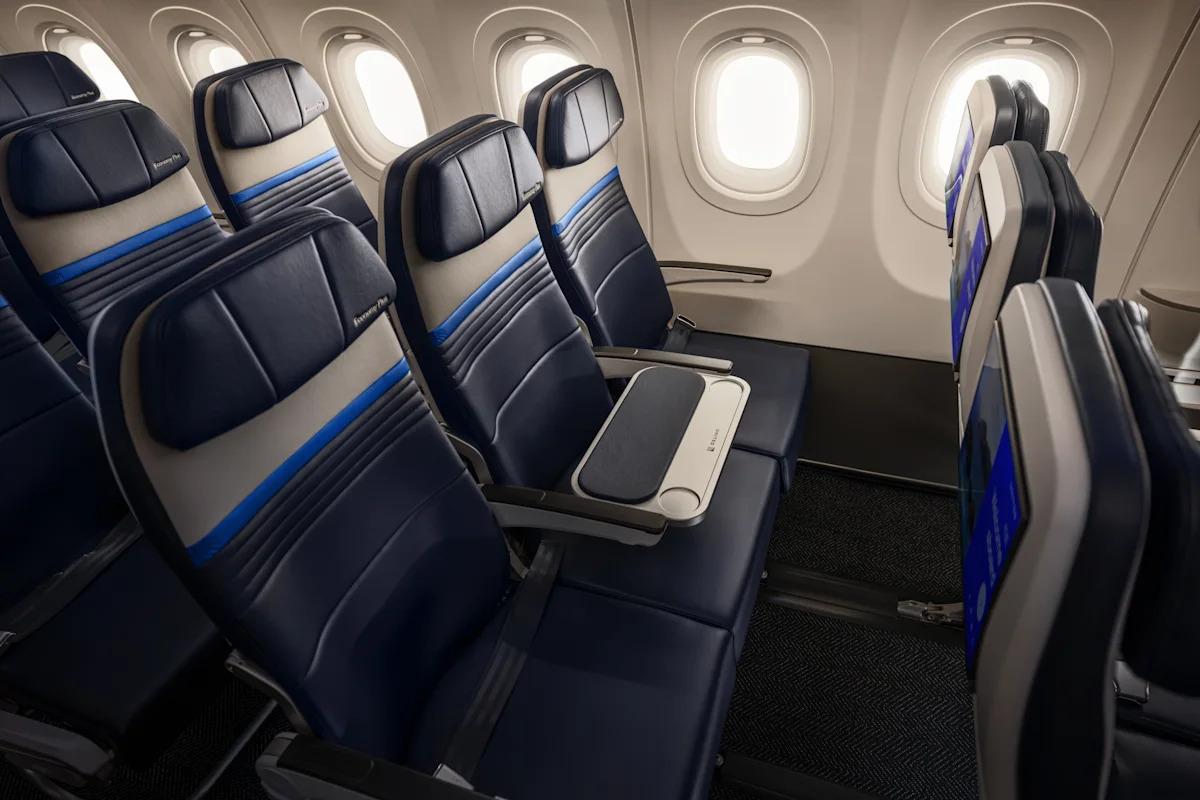
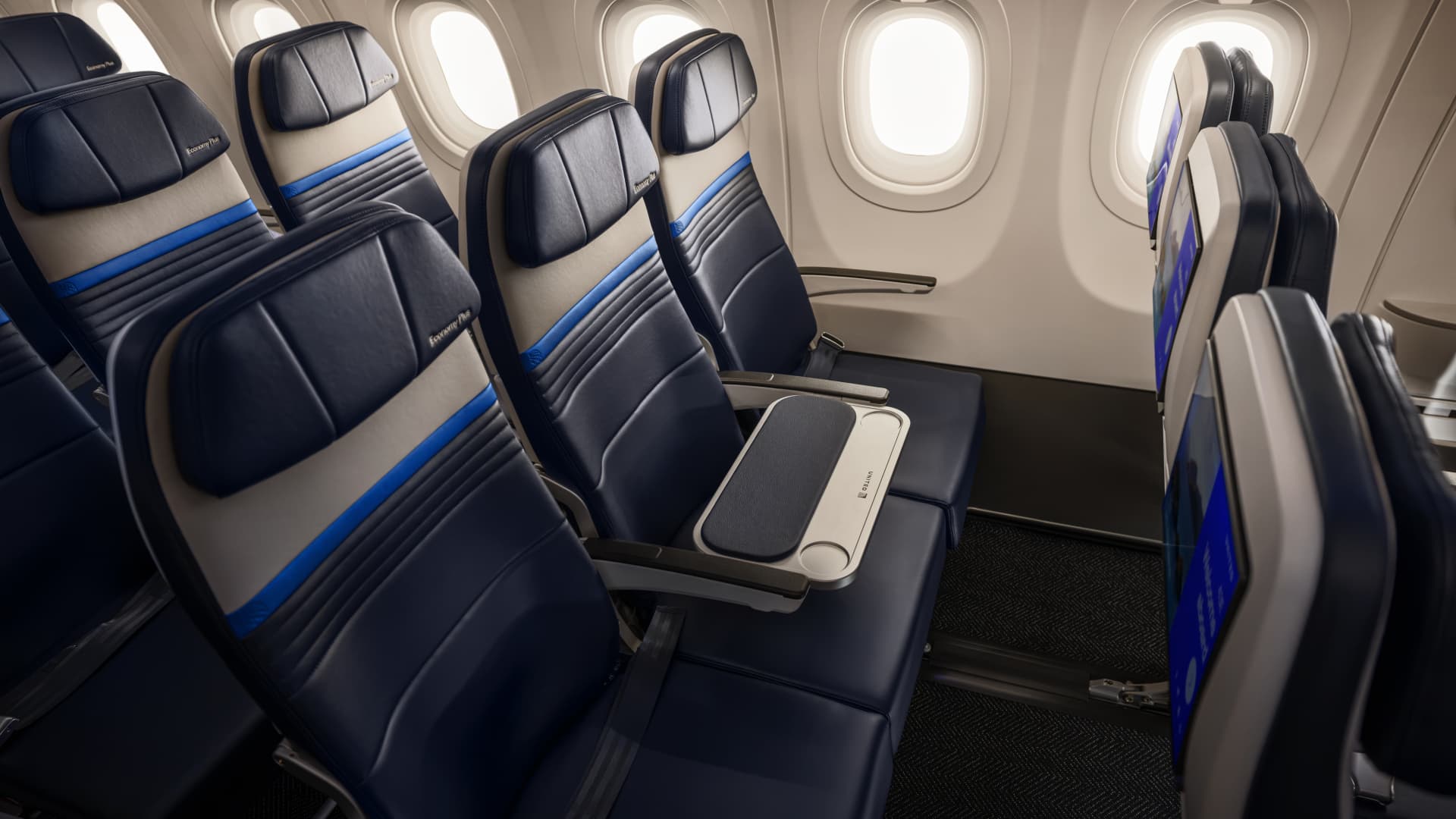
The new offering consists of one specially configured row per aircraft where the middle seat is permanently blocked and replaced with a fixed table stretching from armrest to armrest. The custom-designed table features a soft leather-like covering and two cup holder indentations, giving the aisle and window seat passengers a shared surface for drinks and personal items during flights. Passengers in these seats will enjoy the standard three inches of additional legroom already included with Economy Plus, plus the added benefit of guaranteed elbow room.
United executives framed the announcement as part of the airline’s broader investment in enhancing the customer experience. “We’re investing nose-to-tail across our fleet and giving customers choice and value in every cabin,” said Andrew Nocella, United’s executive vice president and chief commercial officer. The feature will be available on all 50 of United’s incoming A321XLRs, which are designed to operate long-haul routes, particularly across the Atlantic.
The A321XLR is United’s newest narrowbody aircraft, engineered as a long-range replacement for its aging Boeing 757 fleet on transatlantic routes. The aircraft will feature 32 premium seats, including the new Polaris suite cabins with all-aisle access, significantly more premium capacity than the 757s they replace. United plans to begin domestic flights with the A321XLR this fall, with international service commencing in early 2027.
The pricing and exact availability details for the new middle-seat-free seats remain unclear, with United promising to announce these specifics before bookings open later this year. The airline has not revealed how much customers will pay for the upgrade or whether the seats will be available on a first-come, first-served basis to elite frequent flyer members or available only for purchase.
The concept itself is not new in global aviation. European carriers including Lufthansa, Air France, and British Airways have long offered similar configurations on their short-haul business class flights, where the middle seat is simply blocked to provide passengers with additional personal space. However, United’s approach marks a distinctive application of the model—using the blocked seats on a long-haul narrowbody aircraft designed for transatlantic flights, rather than the short regional hops typical in Europe.
Industry observers have noted that the blocked-middle-seat arrangement offers United operational advantages beyond passenger comfort. By capping the A321XLR’s certified capacity at 150 seats through the blocked seats, the airline reduces the number of flight attendants required under federal regulations. The Federal Aviation Administration requires one flight attendant for every 50 passenger seats. At 150 seats, the aircraft requires four flight attendants; without the blocked middle seats, it would exceed that threshold and require a fifth attendant. This staffing reduction represents meaningful cost savings for the airline, particularly following recent expensive flight attendant contract negotiations at United.
The middle-seat blocking thus serves a dual purpose: generating additional revenue from passengers willing to pay a premium for the guaranteed space, while simultaneously reducing labor costs. The airline will essentially monetize seats that might otherwise remain unsold by transforming them into a revenue-generating product rather than simply leaving them empty.
The new Economy Plus option arrives as part of a broader industry trend in which airlines increasingly slice their cabins into granular premium tiers, each with its own price point and amenities. Just last week, Delta Air Lines announced a new “Basic Business” class that removes previously included perks like lounge access and seat selection from its cheapest business-class fares. Airlines are reexamining what services and features come standard with ticket purchases versus what requires additional payment, attempting to extract more revenue from premium-seeking travelers while simplifying base fares.
United is simultaneously preparing another cabin innovation aimed at capturing premium economy spending. The airline previously announced the “Relax Row,” a seating option that will debut in early 2027 on Boeing 787 and 777 widebody aircraft. These rows allow three economy seats to fold into a lie-flat sleeping surface, effectively converting standard economy seating into a makeshift bed for long-haul flights. United plans to outfit 90 widebody planes with Relax Row seating at launch in 2027, with plans to eventually install it on more than 200 aircraft by 2030.
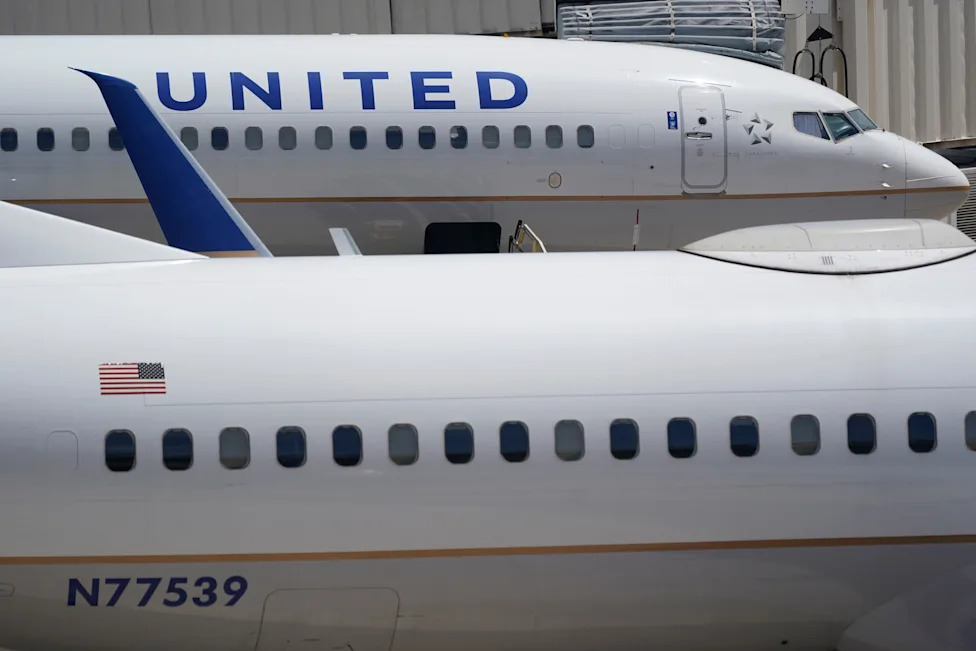
The A321XLR itself represents United’s significant investment in premium narrowbody flying. The aircraft is equipped with larger overhead bins, Starlink free Wi-Fi, Bluetooth-enabled 4K OLED entertainment screens throughout the cabin, and a self-service snack bar at the rear of the economy section. Window and aisle seat passengers across the blocked-middle-seat row will benefit from all these amenities alongside their guaranteed personal space.
For solo travelers on long-haul flights, the appeal appears straightforward—they gain significant extra space without the cost of a full business-class ticket. For couples or groups, the economics become more complicated. Two travelers booking adjacent seats in the blocked row could approach the cost of higher premium cabin options that include additional services and amenities. Whether United prices the seats aggressively or modestly to maximize overall revenue will likely determine how popular the offering becomes.
United’s move reflects a calculated gamble: that enough passengers on long-haul flights will value a guaranteed empty middle seat sufficiently to pay extra, and that the staffing cost savings make the arrangement economically sound even after factoring in the two seats per aircraft that cannot generate revenue. The airline’s confidence in this model suggests it may expand the blocked-middle-seat configuration to other aircraft in its fleet in the future, further testing whether the American traveling public views personal space as premium enough to warrant additional charges.