

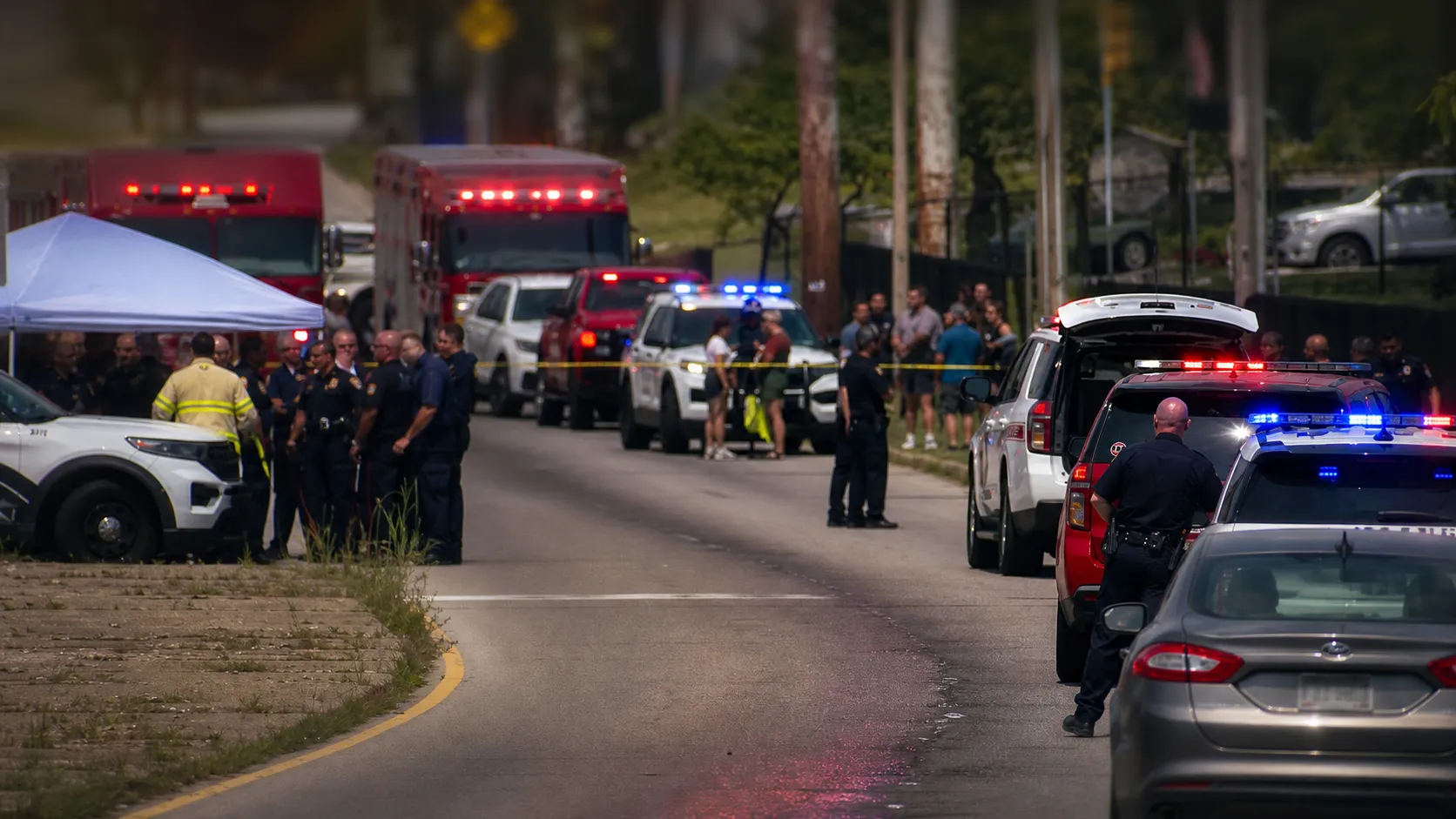
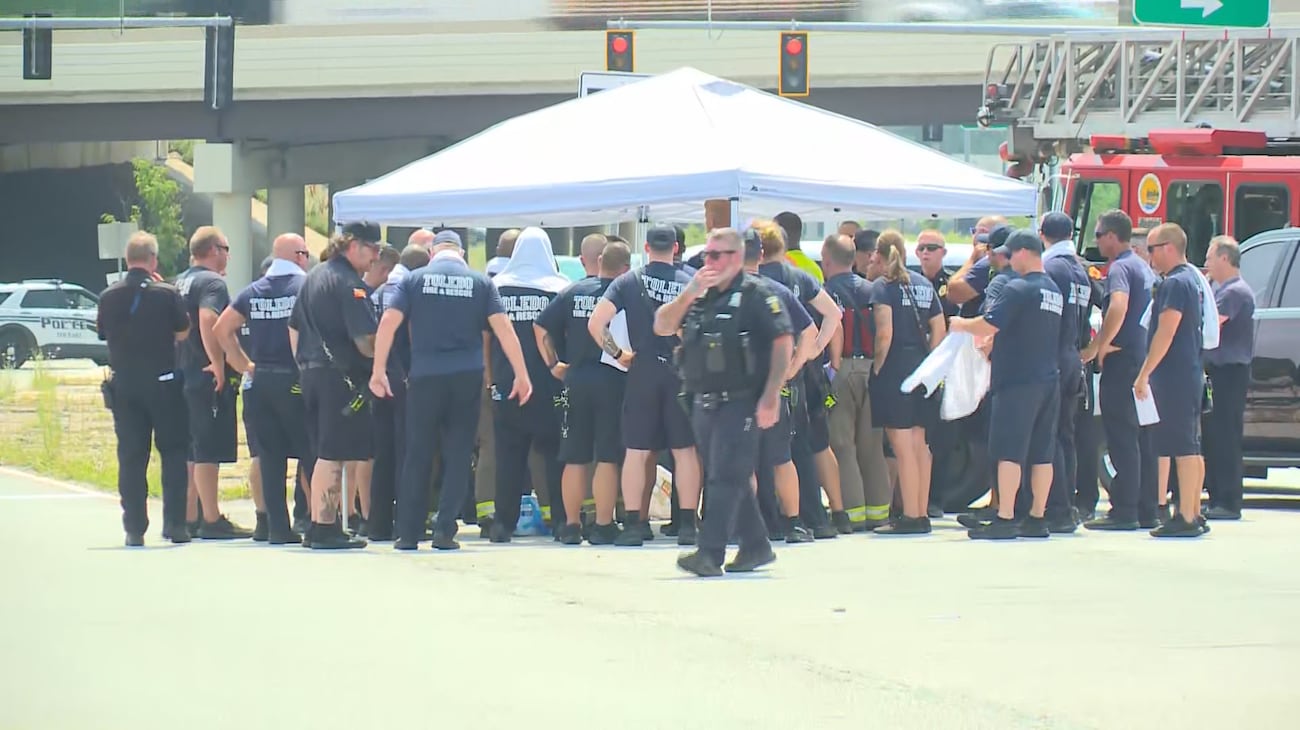
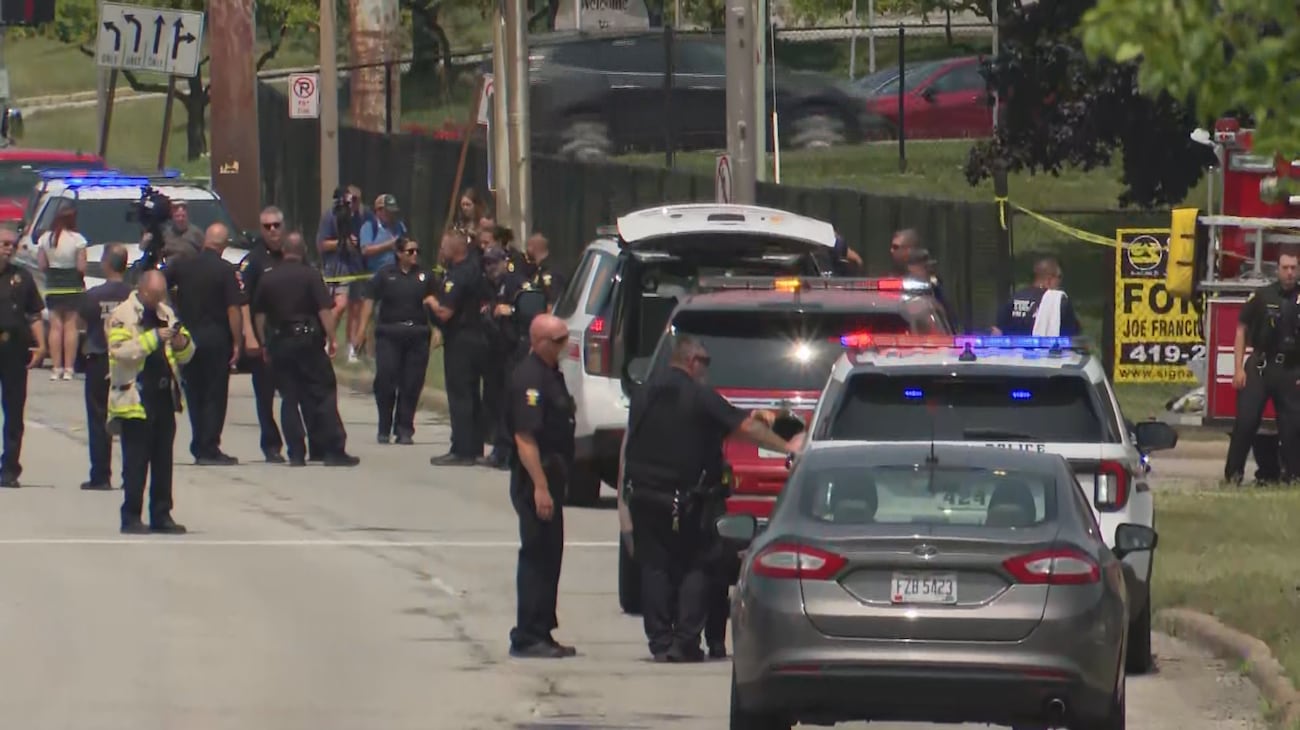
A family traveling in a vehicle that stopped on a Toledo roadway due to a flat tire experienced a deadly carbon monoxide exposure on Wednesday that left three people dead and two children hospitalized in critical condition, officials confirmed.
Toledo police received a report of unconscious people in a vehicle on the 300 block of Phillips Avenue near Detroit Avenue around 11:10 a.m. On July 15. A spokesperson for Toledo Fire and Rescue explained that someone had called the children’s father to inform him the vehicle had a flat tire. When he arrived at the scene, he discovered all occupants were unconscious.
The two children were transported to hospitals where they remained hospitalized in critical condition as of Wednesday afternoon. Toledo Mayor Wade Kapszukiewicz issued a statement confirming three family members had died. “Our hearts are with this family as they face an unimaginable loss, and we are praying for the recovery of the two children who continue to fight for their lives,” Kapszukiewicz said in a statement.
Toledo Fire Chief Allison Armstrong said authorities believe the issue is isolated and confirmed there is no threat to the public. The investigation into the specific cause of the carbon monoxide exposure is ongoing, though officials have documented the presence of the deadly gas.
The incident adds to growing national concerns about carbon monoxide exposure in Ford Explorer vehicles, a persistent issue that has troubled authorities and vehicle owners for nearly a decade. A design flaw in Ford Explorer model years 2012 to 2017 has been allowing carbon monoxide to seep into passenger cabins, according to longstanding complaints documented by the National Highway Traffic Safety Administration.
The NHTSA began investigating carbon monoxide complaints in Ford Explorer SUVs in July 2016 after receiving reports of exhaust odors entering vehicle cabins. The investigation expanded significantly in July 2017, when federal officials reported more than 2,700 complaints from vehicle owners experiencing exhaust odors. According to federal investigation records, those complaints included three crashes and 41 injuries, with reported symptoms including loss of consciousness, nausea, and headaches.
The problematic design has affected approximately 1.3 million vehicles across the United States, with additional vehicles affected in Canada and Mexico. Federal investigators determined that cracked exhaust manifolds are likely responsible for the problem, with gaps allowing dangerous fumes to enter the passenger compartment, particularly when vehicles accelerate or when air conditioning is running in recirculation mode.
Police departments across the country reported serious incidents involving their Ford Explorer Police Interceptor vehicles. In Austin, Texas, authorities removed more than 400 Explorer Police vehicles from service after discovering officers had elevated or high levels of carbon monoxide in their blood. Massachusetts and California also pulled the vehicles from their police fleets following similar officer exposures.
Despite the widespread complaints and federal investigation, Ford has resisted issuing a full recall of the affected vehicles. Instead, the company began offering a free repair service in 2017, which involves resealing the vehicle interior and reprogramming the climate control system to bring more fresh air into the cabin. The company maintained that testing showed carbon monoxide levels in the vehicles did not exceed levels people encounter in daily life.
The NHTSA closed its investigation in January 2023 after determining that carbon monoxide levels in the vehicles were not high enough to warrant a mandatory recall. The agency concluded that the highest measured carbon monoxide levels were related to sealing issues caused by police equipment installation, such as sirens and lights, or by rear crash damage repairs.
However, a federal court approved a class action settlement in 2021, providing compensation for owners of certain model year 2016 to 2017 Explorers linked to reports of exhaust entering vehicles. The settlement terms allowed Ford to pay up to 125 dollars toward post-warranty repair costs for inspection and sealing gaps.
Consumer advocates have continued to criticize Ford’s response. The Center for Auto Safety has repeatedly called for a mandatory recall, arguing that the odorless, colorless gas presents a serious safety risk that can cause permanent brain damage, severe injury, or death. The organization noted that carbon monoxide poisoning kills more than 400 people annually in the United States according to the Centers for Disease Control and Prevention.
As investigations continue into the Toledo incident, questions persist about whether the deadly exposure involved a Ford Explorer and, if so, whether it will trigger renewed pressure on federal regulators or Ford to take more aggressive action to protect vehicle occupants from this invisible hazard.