

Music consumption continues its explosive growth midway through 2026, with streaming services recording unprecedented levels of listening worldwide. Equally striking is the dramatic shift in which genres are winning audiences. Latin and country music are surging across the United States, each capturing devoted listeners and challenging the long-standing dominance of hip-hop and R&B in the streaming era.
The evidence emerges from Luminate’s 2026 Midyear Report, released this week. The data analytics company found that more music is being streamed than ever before globally and domestically. On-demand audio streams reached 2.8 trillion globally in the first half of 2026, climbing from 2.5 trillion the previous year. In the United States specifically, on-demand audio song streams grew to 732.7 billion, up from 696.6 billion in 2025.
Yet these headline numbers mask a more significant change: the streaming landscape itself is diversifying. For years, R&B and hip-hop occupied the throne of American music streaming. That dominance persists, but its grip is loosening. In the first half of 2026, R&B/hip-hop accounted for 30 percent of U.S. Album-equivalent consumption based on Billboard 200 analysis—a notable decline from 41 percent in 2023. R&B/hip-hop’s standalone audio volume has dipped 1.7 percent so far in 2026 compared to last year.
Two other genres are filling that space. Latin and country music are surging, each driven by massive artist successes and expanding audiences that extend well beyond their traditional listener bases.
For Latin music, the numbers are striking. In the first half of 2026, Spanish-language streams accounted for 9.4 percent of all streams in the United States—nearly one in ten songs being played. English-language consumption fell to a new low of 87.1 percent, still overwhelming but telling evidence of how much the listening market has diversified. Casual U.S. Listenership of Latin music hit an all-time high, with 54 percent of music listeners now reporting engagement with the genre. Globally, Latin music streams reached 363.2 billion in the first half of 2026, up from 335.3 billion the previous year.
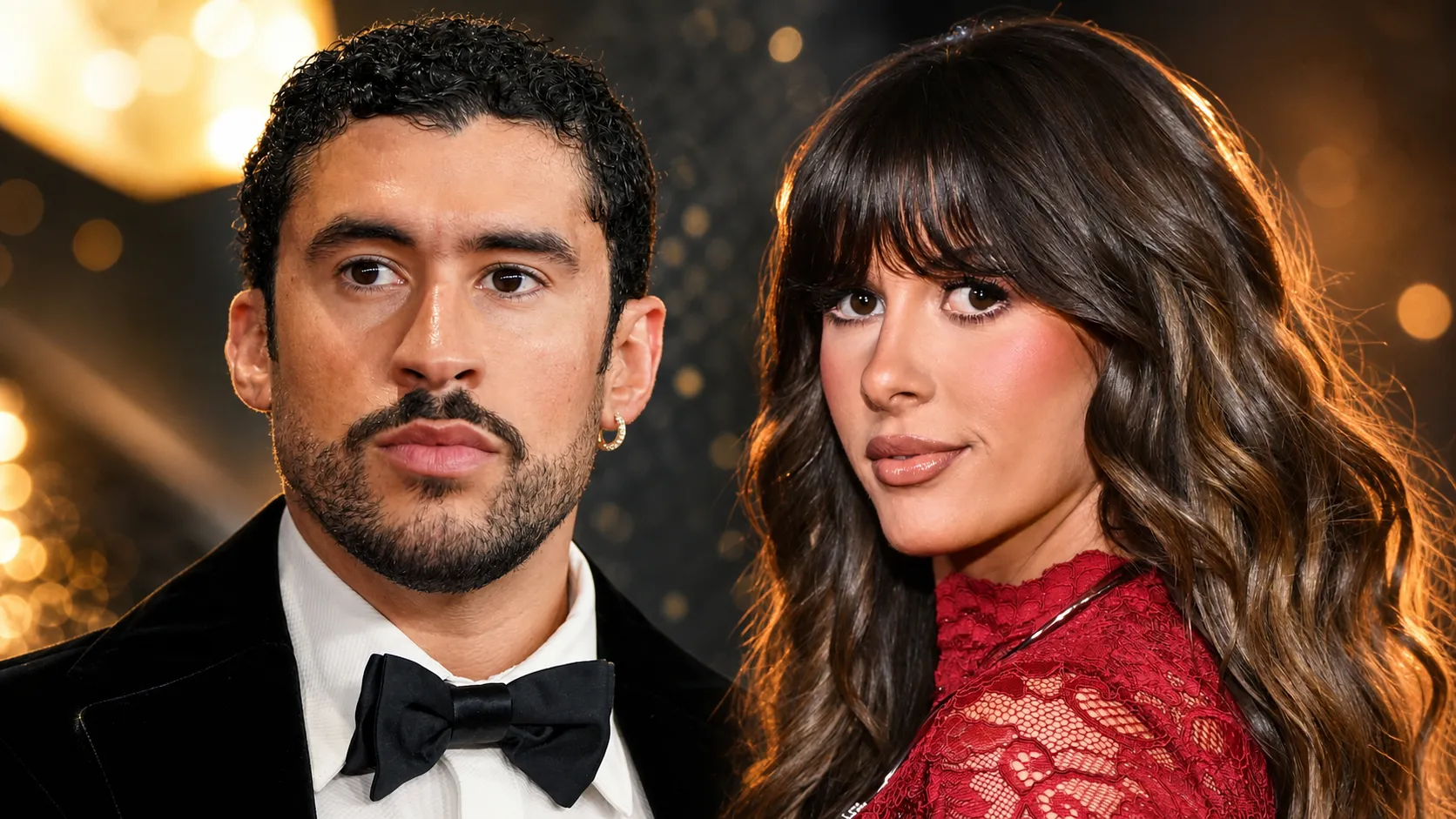
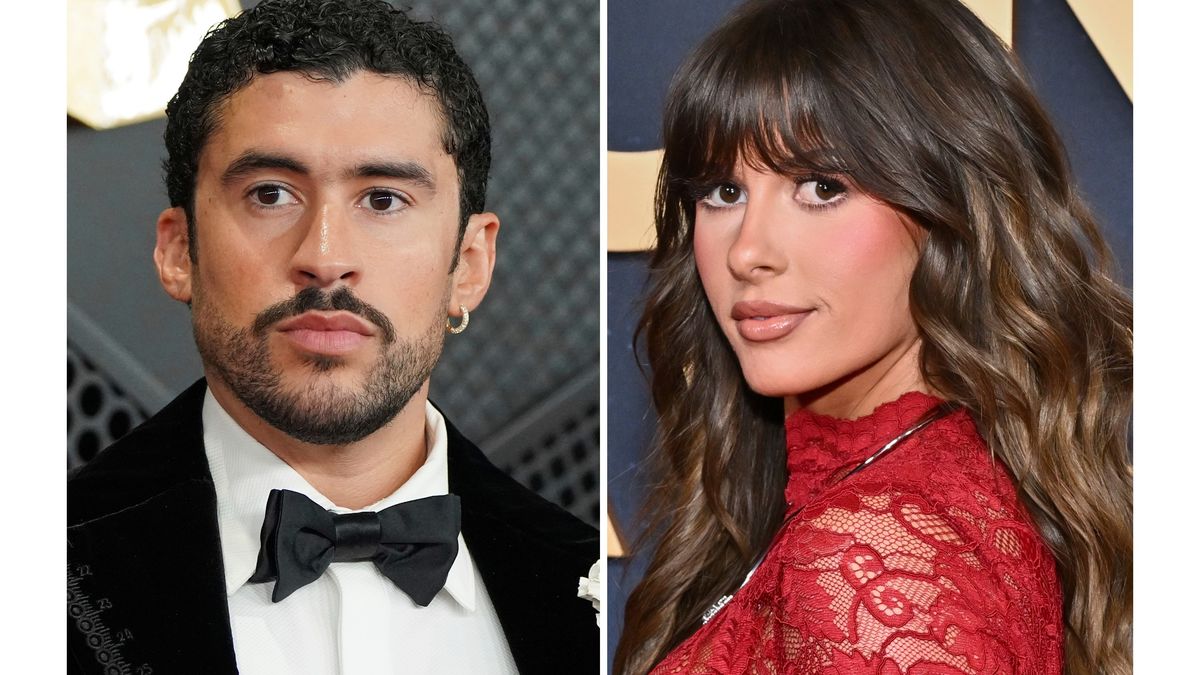
Bad Bunny stands as a powerful symbol of Latin music’s mainstream expansion. His album “Debí Tirar Más Fotos,” which released early last year, ranks among the year’s top three albums by streaming volume, with 1.543 million album equivalent units.
Country music’s ascent presents a similarly impressive story, though through different mechanisms. The genre is capturing younger, streaming-forward audiences that traditional country rarely penetrated before. Morgan Wallen leads the charge with “I’m the Problem,” the most-streamed album of 2026 so far, boasting 2.035 million album equivalent units. But perhaps the more significant story involves an emerging superstar named Ella Langley, who has become the symbol of country’s new generation.
Langley, a 26-year-old from Alabama, broke through in 2024 with the viral duet “You Look Like You Love Me” featuring Riley Green, which exploded on TikTok and earned her a No. 1 on the Country Airplay chart. Her follow-up single “Choosin’ Texas,” released in October 2025, has dominated the mainstream charts, becoming the first song by a female artist to simultaneously lead the Billboard Hot 100, Hot Country Songs, and Country Airplay charts. Her second album “Dandelion,” released in April 2026, achieved 1.638 million album equivalent units in its first half of release.
What makes Langley’s success emblematic is how it reflects broader changes in country music’s audience composition. She represents an increasing group of younger, streaming-forward fans drawn to authentic songwriting and raw emotional honesty rather than the slick production that dominated recent decades. Her music blends classic country storytelling with modern sensibilities, creating appeal across generational lines in ways that few artists have achieved.

In the first half of 2026, in-demand audio streams within Latin and country combined accounted for 126.8 billion streams in the United States, closely trailing rock’s 137.2 billion and substantially ahead of pop’s 87.8 billion. The shift represents what one music industry analyst described as movement toward “a more balanced, multi-genre ecosystem” where creative influence remains distributed across styles rather than concentrated in one dominant sound.
What’s driving this change? Streaming platforms themselves have accelerated the process. Discovery algorithms favor engaging with new and diverse content, pushing listeners toward genres they might not have encountered through traditional radio. Social media platforms like TikTok have proven particularly effective at breaking country and Latin songs into mainstream consciousness, with younger demographics discovering artists through short clips rather than terrestrial radio playlists. The post-pandemic era has seen audiences gravitating toward different genres simultaneously, abandoning the single-format loyalty that once defined music consumption.
The implications extend beyond streaming statistics. Record labels are investing more heavily in country and Latin artists. Concert promoters are booking larger venues for these acts. Merchandise companies are developing product lines around these genres. The shift represents not a temporary trend but a fundamental realignment of the American music industry around what listeners actually want to hear.
Yet R&B and hip-hop remain commercially powerful forces. The genres still command nearly one in four on-demand audio streams domestically and continue to influence musical production across all styles. Their dominance has simply leveled off rather than collapsed, making room for other sounds to flourish alongside them rather than in direct competition.
For listeners, the midyear 2026 streaming landscape suggests a music environment of genuine plurality—a time when multiple genres can simultaneously thrive at the highest levels of commercial success. Latin music’s expansion into the broader American mainstream and country’s capture of younger audiences represent perhaps the most significant genre realignment in streaming’s short history. The trends suggest this is no temporary shift but rather a lasting transformation of what American popular music sounds like.